The Essential Guide to Common Lawn Weeds
Introduction and Overview
Waking up to a beautiful morning only to spot unwanted invaders in your yard is incredibly frustrating. Dealing with Common Lawn Weeds is one of the most frequent challenges homeowners face every single year. These aggressive plants compete with your desirable turfgrass for essential water, sunlight, and soil nutrients. If left completely unchecked, they will quickly choke out your healthy grass and ruin the visual appeal of your property.This comprehensive guide is designed specifically for homeowners who want to take back their yards and restore a thick, uniform carpet of green. Whether you are trying to stop weed seeds before they sprout or battling an existing, widespread infestation, you are in the right place. In this article, you will learn exactly how to identify the most frequent offenders, understand their unique life cycles, and implement a step-by-step eradication plan. We will also cover the best products to use for 2026, realistic costs, and how to prevent future outbreaks through proper lawn care practices.
Key Takeaways
| Topic | Key Point |
|---|---|
| Weed Categories | Weeds are divided into three main types: broadleaf, grassy, and sedges. |
| Life Cycles | Annual weeds complete their cycle in one year, while perennials return from roots. |
| Prevention Trigger | Apply pre-emergent herbicides when soil temperatures reach 55 degrees Fahrenheit. |
| Mowing Height | Keep grass between 3 and 4 inches to shade the soil and block weed growth. |
| Watering Rule | Apply 1 inch of water per week deeply to encourage strong turfgrass roots. |
| Chemical Control | Use selective post-emergent herbicides to kill weeds without harming your grass. |
| Surfactant Need | Always add a surfactant to liquid sprays to help chemicals stick to waxy leaves. |
| Cultural Defense | A thick, dense lawn is the absolute best natural defense against weed invasion. |
Understanding Common Lawn Weeds
To successfully manage these pesky invaders, you must first understand their basic biology and how they attack your turfgrass. Common Lawn Weeds are simply plants that are growing in a place where you do not want them. However, from a horticultural perspective, they are highly adapted survivalists that exploit any weakness in your lawn care routine. They are generally categorized into three distinct types: broadleaf weeds, grassy weeds, and sedges.Broadleaf weeds have wide, net-veined leaves and often produce showy flowers. They include familiar names like dandelions, clover, and chickweed. Grassy weeds look very similar to your desirable turfgrass but grow in an undesirable manner. Examples include crabgrass, annual bluegrass, and dallisgrass. Sedges are grass-like plants with solid, triangular stems and a distinct V-shaped leaf arrangement, with yellow nutsedge being the most notorious offender.Understanding their life cycles is the absolute foundation of proper weed control. Annual weeds, like crabgrass and chickweed, germinate from seed, grow, produce thousands of new seeds, and die all within a single growing season. Perennial weeds, like dandelions and clover, live for multiple years. They survive the winter by storing massive amounts of energy in deep taproots or underground rhizomes, allowing them to regrow aggressively every spring.This biological diversity means there is no single “magic bullet” for weed control. A thick, healthy lawn is your best natural defense. When your desirable grass is dense and tall, it shades the soil, keeping it cool and blocking the sunlight that weed seeds need to germinate. By knowing exactly how these plants operate, you can tailor your lawn care strategy to target their specific vulnerabilities and achieve long-term eradication.
Signs, Symptoms, or Key Types
Identifying the specific type of weed is the first step in successful management. Different weeds require completely different chemical and cultural control methods.
Broadleaf Weeds
Broadleaf weeds are the easiest to identify because their wide, flat leaves stand out sharply against narrow turfgrass blades. Dandelions feature bright yellow flowers and deeply jagged basal leaves growing from a hollow stem. White clover forms low-growing patches with distinct round, three-part leaves and white, puffball flowers. Chickweed grows in dense, mat-like clusters with tiny, star-shaped white flowers and smooth, oval leaves. These weeds typically have a central taproot or a spreading network of shallow stems called stolons.
Grassy Weeds
Grassy weeds are much trickier to identify because they look almost identical to your desirable lawn grass. Crabgrass grows outward in a flat, star-like pattern with wide, light green leaves and purplish-red stems. Annual bluegrass (Poa annua) grows in shallow, dense clumps and produces unsightly white seed heads even when mowed very short. Dallisgrass forms coarse, dark green clumps with hairy leaf sheaths and produces distinctive black seed heads. Because they are monocots like your lawn grass, you must use highly specific selective herbicides to kill them without destroying your turf.
Sedges and Rushes
Sedges are often mistaken for grassy weeds, but they have distinct physical differences. Yellow nutsedge is the most common sedge and grows much faster than your regular grass, requiring you to mow over it constantly. It has a bright yellowish-green color and a stem that is distinctly triangular when rolled between your fingers. Unlike grasses, which have flat stems, or broadleaf weeds, which have round stems, sedges have this unique “sedges have edges” triangular structure. They also produce small, nut-like tubers underground that are incredibly difficult to eradicate.
Visual Warning Signs of Weed Pressure
Before you even see the weeds, your lawn will show visual warning signs of weed pressure. A general yellowing or thinning of the turf canopy indicates that the grass is stressed and losing the competition for nutrients. If you notice bare, compacted patches of soil appearing in high-traffic areas, those spots are prime real estate for weed seeds to germinate. Recognizing these early cues allows you to correct the underlying cultural issues before a full-blown infestation takes over.
Causes and Contributing Factors
Several environmental and cultural factors can make your lawn highly susceptible to these aggressive plants. Understanding these triggers will help you modify your lawn care routine to stop them in their tracks.
Thin Turf and Poor Grass Density
A thin, sparse lawn is the number one contributing factor for weed infestations. When your desirable grass is thin, sunlight easily penetrates the canopy and hits the soil surface. This direct sunlight warms the top layer of soil, triggering the germination of weed seeds that have been blown in from neighboring properties. A thick, dense lawn acts as a living mulch, shading the soil and naturally suppressing weed growth.
Soil Compaction and Poor Drainage
Soil compaction creates a hostile environment for desirable turfgrass but a perfect one for many weeds. Compacted soil restricts the movement of water, air, and nutrients, causing your regular grass to grow shallow, weak roots. Weeds like plantain, prostrate spurge, and hawkweed thrive in these harsh, compacted conditions. Furthermore, compacted soil tends to warm up faster in the spring, giving weed seeds an early start on germination.
Improper Mowing Practices
Mowing your grass too short is a massive mistake that directly invites weeds into your yard. When you scalp your lawn, you severely weaken the turfgrass plants and expose the soil to direct sunlight. This not only warms the soil but also removes the leaf surface area the grass needs to photosynthesize and stay healthy. A stressed, short lawn cannot compete with the rapid, aggressive growth of emerging weed seedlings.
Inconsistent Watering Habits
Light, frequent watering is a major cause of weed problems. When you only water the surface of the lawn for a few minutes each day, you keep the top inch of soil constantly moist and warm. This is the exact condition weed seeds need to germinate and establish their shallow root systems. Conversely, deep, infrequent watering encourages your desirable grass to send roots deep into the cooler, moister soil layers below, giving it a massive competitive advantage.
Step-by-Step Solution or Prevention Plan
Protecting your yard requires a proactive, multi-step approach. Follow these actionable steps to achieve effective control over Common Lawn Weeds.
- Identify the Specific Weed: Before applying any chemicals, accurately identify the weed to ensure you use the correct treatment. Broadleaf weeds require a 3-way herbicide, grassy weeds need specific ingredients like quinclorac, and sedges require halosulfuron-methyl. Using the wrong chemical is a waste of time and money.
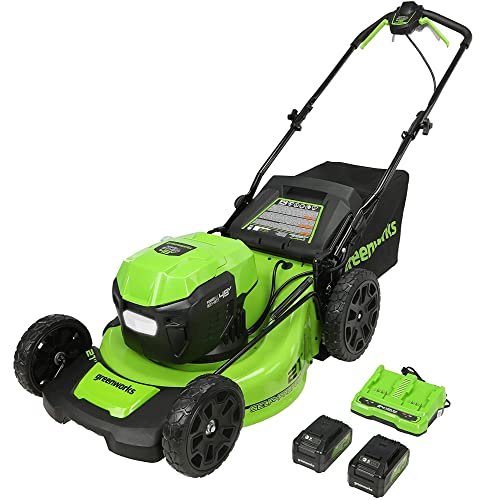
- Raise Your Mowing Height: Adjust your mower deck to cut your grass at a height of 3 to 4 inches. Taller grass blades shade the soil surface, keeping it cool and blocking the sunlight that weed seeds need to sprout. This single cultural practice is one of the most effective ways to naturally suppress weed growth all season long.
- Apply Pre-emergent Herbicide: Use a broadcast spreader to apply a granular pre-emergent product containing prodiamine or dithiopyr. Apply the product at the exact rate specified on the label, typically around 1.5 to 2 pounds per 1,000 square feet. This creates a chemical barrier in the top layer of soil that stops annual weed seeds from sprouting.
- Water in the Pre-emergent: Pre-emergent herbicides will not work unless they are watered into the soil. Immediately after application, run your irrigation system to apply exactly 0.25 to 0.5 inches of water. This activates the chemical and moves it down into the top inch of soil where the weed seeds are waiting to germinate.
- Spot Treat Existing Weeds: For visible broadleaf or grassy weeds, apply a selective post-emergent herbicide. Mix the liquid product in a pump sprayer at a rate of 1.5 to 2 ounces per gallon of water. Spray the individual weed leaves thoroughly until they are completely wet, being careful to avoid spraying on days when temperatures exceed 85 degrees Fahrenheit.
- Add a Non-Ionic Surfactant: Many weed leaves have a waxy, hairy coating that causes liquid herbicides to bead up and roll off the surface. Add exactly 0.5 teaspoons of a non-ionic surfactant to every gallon of your herbicide mixture to break the surface tension and ensure proper chemical absorption.
- Water Deeply and Infrequently: Adjust your irrigation schedule to apply exactly 1 inch of water per week, including rainfall. Water deeply in the early morning to encourage deep root growth in your desirable turfgrass. A well-hydrated lawn with deep roots will easily outcompete young weed seedlings for available moisture and nutrients.
- Aerate Compacted Areas: In the fall, perform core aeration to relieve soil compaction. Use a machine to pull soil plugs that are at least 3 inches deep and spaced 2 inches apart. This allows water, air, and nutrients to reach the deep root zone, helping your desirable grass grow thick and dense to choke out weeds.
- Overseed Bare Spots: In the early fall, overseed any thin or bare areas of your lawn. Apply grass seed at a rate of 4 to 6 pounds per 1,000 square feet, and cover it lightly with a quarter-inch of compost. A thick, fully established lawn by next spring will leave no room for weed seeds to germinate and take hold.
Recommended Products and Tools
Having the right equipment and products makes weed management much more effective. Here are the realistic 2026 price ranges for the items you will need.
Equipment
- Pump Sprayer: A high-quality, 2-gallon pump sprayer is essential for applying liquid post-emergent herbicides evenly. Expect to pay between $25 and $45 for a durable, chemical-resistant model.
- Broadcast Spreader: A calibrated broadcast spreader ensures even application of granular pre-emergents and fertilizers. A reliable model will cost between $60 and $120.
- Soil Thermometer: A basic digital soil thermometer is crucial for checking spring germination temperatures. These are very affordable, ranging from $10 to $25.
Chemical Products or Fertilizers
- 3-Way Broadleaf Herbicide: Liquid concentrates containing 2,4-D, dicamba, and triclopyr are highly effective against most broadleaf weeds. A 32-ounce bottle costs around $25 to $40.
- Grassy Weed Killer: Specialized post-emergent herbicides containing quinclorac target crabgrass and dallisgrass safely. A 32-ounce bottle costs between $30 and $50.
- Granular Pre-emergent: Products containing prodiamine stop annual weeds before they sprout. A bag covering 5,000 square feet will cost between $40 and $65 in 2026.
Organic or Natural Alternatives
- Iron HEDTA Herbicide: This organic alternative blackens and kills broadleaf weeds without harming grass. A 1-gallon bottle costs between $30 and $50.
- Corn Gluten Meal: This natural pre-emergent inhibits root formation during seed germination. A 40-pound bag covering 2,000 square feet costs between $35 and $55.
- Horticultural Vinegar: High-acidity vinegar (20% to 30%) acts as a natural contact killer for spot treatments. A 1-gallon bottle costs around $20 to $30.
Cost Breakdown
Understanding the financial commitment helps you budget for your lawn care. Here is a breakdown of the costs associated with managing Common Lawn Weeds in 2026.
| Item / Service | DIY Cost | Professional Cost | Notes |
|---|---|---|---|
| Soil Test / pH Check | $15 – $25 | $50 – $100 | DIY kits are cheap; pros offer detailed analysis. |
| Pre-emergent Application | $40 – $65 | $90 – $150 | Pro price includes the chemical and application labor. |
| Post-emergent Spot Spray | $25 – $40 | $80 – $140 | Liquid applications require specialized equipment. |
| Core Aeration | $80 – $120 (Rental) | $120 – $180 | Professional service includes labor and fuel. |
| Overseeding Bare Spots | $30 – $50 (Seed) | $150 – $300 | Pro service includes soil prep, seed, and mulch. |
| Manual Weed Removal | $10 – $20 (Tool) | $100 – $200 | Labor-intensive service charged by the hour. |
| Full Lawn Renovation | N/A | $1,200 – $2,500 | Required if >50% of the lawn is taken over by weeds. |
| Totals (Average DIY) | $200 – $320 | $590 – $1,070 | Excludes full renovation and aeration rental. |
Common Mistakes to Avoid
Many homeowners accidentally make their weed problems worse by following outdated advice. Avoid these common pitfalls to keep your turf healthy.
- Mowing the Grass Too Short: Scalping your lawn removes the shade that keeps the soil cool and exposes bare dirt to the sun. This directly triggers massive weed seed germination. Always keep your mower deck set to at least 3 inches to maintain a thick, protective canopy.
- Applying Pre-emergent Too Late: If you wait until you actually see weeds sprouting, the pre-emergent herbicide is completely useless. Pre-emergents only stop seeds from germinating; they will not kill existing plants. You must apply it in early spring before the soil hits 55 degrees Fahrenheit.
- Skipping the Surfactant: Weed leaves are naturally waxy and hairy, causing water-based herbicides to bead up and roll off if you do not add a surfactant. Always include 0.5 teaspoons of surfactant per gallon to ensure the poison sticks and absorbs properly into the weed.
- Using Non-Selective Herbicides Everywhere: Spraying non-selective herbicides like glyphosate will kill your desirable turfgrass along with the weeds, leaving you with ugly brown dead spots. Always use selective post-emergent herbicides designed specifically for lawn weeds to protect your grass.
- Watering Lightly Every Day: Light, daily watering keeps the top inch of soil moist and warm, which is the exact condition weed seeds need to thrive. Switch to deep, infrequent watering to encourage deep turf roots and dry out the surface soil.
- Ignoring Soil Compaction: Applying herbicides to compacted soil is only a temporary fix because the underlying soil conditions still favor the weeds. If you do not aerate the soil to improve root growth, your desirable grass will remain weak and the weeds will simply return next year.
- Overseeding Right After Pre-emergent: Standard pre-emergent herbicides do not distinguish between weed seeds and desirable grass seeds. If you apply a pre-emergent in the spring, you cannot overseed your lawn until the fall, or your new grass seed will fail to germinate.
Seasonal Timing and Best Practices
Timing is everything when it comes to turfgrass weed management. Here is how to manage your lawn throughout the year to ensure effective control.
Spring
Spring is the most critical time for preventive treatments. As soil temperatures consistently reach 50 to 55 degrees Fahrenheit, annual weed seeds begin to germinate. This is the exact window to apply your pre-emergent herbicide. You want the chemical barrier established in the soil before the seeds sprout. Keep your mower blade sharp and set it to 3 inches to maintain a thick canopy that shades the soil.
Summer
Summer is when the heat stresses your lawn and weeds thrive. If you missed your spring pre-emergent application, you will likely see weeds emerging. Use a selective post-emergent herbicide to spot-treat the visible plants. Continue to mow high at 3 to 4 inches and water deeply to provide 1 inch of water per week. A well-hydrated, tall lawn will mask the damage and outcompete the weeds.
Fall
Fall is the absolute best time for both recovery and chemical control. As the weather cools, perennial weeds shift their energy production, moving carbohydrates from the leaves down into their deep roots for winter storage. If you apply a systemic herbicide in early fall when temperatures are between 50 and 65 degrees, the chemical is carried directly down into the root, killing the entire plant. Perform core aeration and overseed any thin or bare spots to thicken the turf.
Winter
During the winter, the visible part of many weeds dies back, but their roots remain alive beneath the soil. Use this time to test your soil and determine if you need to apply lime to adjust the pH. A balanced soil pH ensures your desirable grass can absorb nutrients efficiently, giving it a massive head start to choke out weeds in the spring. Clean and calibrate your spreader and sprayer so they are ready for the first warm days of the year.
When to Call a Professional
While many homeowners can manage mild infestations, some situations require expert intervention. You should call a professional lawn care service if more than 50% of your lawn is taken over by weeds, if you are dealing with highly resistant perennial weeds like ground ivy or violets, or if your DIY treatments have failed after two consecutive seasons. A professional assessment and targeted treatment service typically costs between $150 and $350 per visit. If a full lawn renovation is required due to widespread weed damage and thin turf, expect to pay between $1,200 and $2,500 depending on your yard’s size. Before hiring a professional, ask these crucial questions:
- Do you guarantee your weed control applications, and what is your policy for retreatment if weeds break through?
- What specific active ingredients do you plan to use, and are they safe for my pets and children?
- Do you offer integrated weed management strategies that include cultural corrections like aeration and overseeding?
- Can you provide a detailed schedule of when all treatments will be applied throughout the year?
Frequently Asked Questions
How do I identify the specific weeds in my yard?
Identifying the specific weeds in your yard starts with observing their physical characteristics, growth habits, and leaf structures. Broadleaf weeds have wide, net-veined leaves and often produce flowers, while grassy weeds have narrow leaves with parallel veins and hollow stems. Sedges are easily identified by their distinct triangular stems. You can use free plant identification apps, consult your local university extension office, or bring a sample to a local nursery for accurate professional identification before applying any chemicals.
What is the best time of year to apply weed preventer?
The absolute best time of year to apply weed preventer is in the early spring, right before soil temperatures consistently reach 55 degrees Fahrenheit for three consecutive days. In most regions, this corresponds to early to mid-spring, often coinciding with the blooming of forsythia bushes. Applying your pre-emergent herbicide during this specific window creates a chemical barrier in the top layer of soil that stops annual weed seeds from germinating. If you apply it too late, the weeds will have already sprouted and the preventer will be completely ineffective.
Can I pull weeds by hand and still get good results?
Pulling weeds by hand can yield excellent results if you are dealing with a very small infestation or isolated plants. You must ensure you extract the entire root system, especially for perennial broadleaf weeds like dandelions that can regrow from tiny root fragments left in the soil. Using a specialized weeding tool to loosen the soil makes manual removal much more effective. However, for widespread infestations covering large areas of your yard, manual pulling is incredibly labor-intensive and chemical or cultural controls are much more practical.
Why do weeds keep growing back after I spray them?
Weeds keep growing back after you spray them primarily because you used the wrong type of herbicide or applied it under poor environmental conditions. If you used a contact-only herbicide on a perennial weed, it only burns the surface leaves while the deep root system survives and regenerates. Additionally, spraying when temperatures are too high or failing to add a surfactant can prevent the chemical from absorbing properly. To stop them from returning, ensure you use a systemic herbicide in the fall and maintain a thick, dense turf to block new seeds.
Will putting down new grass seed stop weeds from growing?
Putting down new grass seed is one of the most effective natural ways to stop weeds from growing because it fills in bare spots and creates a thick, dense turf canopy. When your desirable grass is thick and tall, it shades the soil surface and blocks the sunlight that weed seeds need to germinate. A dense lawn also outcompetes young weed seedlings for essential water and soil nutrients through a massive, healthy root system. To maintain this natural defense, you should overseed thin areas every fall.
How long does it take for liquid weed killers to work?
It typically takes 7 to 14 days for systemic liquid weed killers to completely kill broadleaf and grassy weeds after application. You will usually notice the leaves curling, yellowing, and twisting within the first 48 to 72 hours as the poison disrupts the plant’s growth hormones. The chemical must be absorbed through the leaves and translocated down into the root system to achieve complete eradication. Do not mow or water the treated area for at least 24 to 48 hours to allow the plant maximum time to absorb the chemical.
Are organic weed control methods as effective as chemicals?
Organic weed control methods can be effective, but they generally require much more frequent applications and strict timing compared to synthetic chemicals. Products like corn gluten meal work as natural pre-emergents, while iron HEDTA and horticultural vinegar act as contact killers for broadleaf weeds. However, organic contact killers do not translocate down to the root system, meaning perennial weeds will likely regrow. Organic methods work best as part of a comprehensive, multi-year lawn care plan focused on building thick, healthy soil and dense turf.
Conclusion
Achieving effective control over Common Lawn Weeds requires a combination of accurate identification, timely treatments, and excellent cultural practices. By understanding how these different plants grow and reproduce, you can target their specific vulnerabilities rather than just fighting the visible symptoms. Remember to monitor your soil health, apply pre-emergents before germination, and keep your grass mowed at a proper height to shade the soil. When dealing with existing plants, use selective post-emergent herbicides to spot-treat the visible weeds without harming your turf. With this comprehensive guide and a proactive seasonal routine, you can protect your yard from these stubborn invaders and maintain a thick, healthy, and vibrant lawn all year round. Bookmark this article to ensure you are always prepared to defend your yard against destructive weeds.