Your Complete Guide to Vole Damage Prevention
Introduction and Overview
Imagine stepping outside to enjoy your garden, only to discover your favorite shrubs have been chewed down to the bare wood. This sudden and devastating destruction is the hallmark of a vole infestation, making effective Vole Damage Prevention absolutely essential for any dedicated homeowner. These small, mouse-like rodents can quickly turn a lush landscape into a barren wasteland by eating roots, stems, and bark.This comprehensive guide is specifically designed for homeowners who want to protect their plants and lawns from these persistent herbivores. We will walk you through everything you need to know to identify their activity, halt their destruction, and prevent future invasions. You will learn the biological secrets of voles and how to use that knowledge to your advantage.By the end of this article, you will have a complete, actionable plan for your property. We will cover the most effective habitat modifications, the best physical barriers, and the exact cultural practices that make your yard unappealing to them. Let us dive into the ultimate strategy for keeping your turf and plants completely free of these destructive rodents.
Key Takeaways
| Topic | Key Point |
|---|---|
| Identification | Look for narrow, cleared surface runways in the grass and small, clean entry holes near plant roots. |
| Dietary Habits | Voles are herbivores that eat roots, stems, seeds, and the bark of young trees and shrubs. |
| Physical Barriers | Installing quarter-inch hardware cloth cylinders around tree trunks prevents fatal bark chewing. |
| Habitat Modification | Mowing grass to 3 inches and clearing thick weeds removes the protective cover voles need to survive. |
| Mulch Management | Keeping mulch layers to a maximum of 3 inches deep prevents voles from hiding and nesting near roots. |
| Trapping | Standard wooden snap traps baited with apple slices are highly effective for reducing local populations. |
| Seasonal Timing | Late fall is the most critical time to protect trees before winter snow provides cover for voles. |
| Professional Help | Hire a wildlife control expert if vole runways cover your entire property or if DIY methods fail. |
Understanding Vole Damage Prevention
Vole Damage Prevention refers to the proactive strategies and interventions used to keep small, mouse-like rodents from destroying residential landscapes. Unlike moles, which are insectivores that only tunnel through the soil, voles are true rodents that closely resemble field mice. They have stocky bodies, short tails, small eyes, and partially hidden ears. Understanding this fundamental biological difference is the absolute secret to stopping them from ruining your plants.The most common species in the United States are the meadow vole and the pine vole. Meadow voles live above ground, creating visible surface runways through grass and thick vegetation. Pine voles, on the other hand, live mostly underground in extensive burrow systems, making their damage much harder to spot until a plant suddenly dies. Both species are highly destructive, but they require slightly different management approaches.Voles do not hibernate during the winter months. Instead, they remain highly active beneath the snow, continuing to feed on roots, buried seeds, and tree bark. This year-round activity means that Vole Damage Prevention must be a continuous, year-round effort rather than a one-time seasonal treatment. A single pair of voles can produce dozens of offspring in a single year, leading to rapid population explosions if left unchecked.Effective control requires a multi-pronged approach focused on making your yard inhospitable. You cannot simply eliminate their food source, as they will eat almost any plant material available. Therefore, successful management combines removing their protective cover, using physical barriers to block access, applying sensory repellents, and utilizing targeted trapping methods to reduce the existing population.
Signs, Symptoms, or Key Types
Surface Runways
The most obvious visual indicator of a meadow vole problem is the presence of narrow, cleared pathways running through your lawn. These surface runways are typically 1 to 2 inches wide and look like the grass has been mowed extremely close to the ground. Unlike mole tunnels, which are raised and spongy, vole runways are flat and clearly visible when the grass is short.
Girdled Trees and Shrubs
Voles love to chew on the bark of young trees and shrubs, especially during the winter when other food is scarce. They will gnaw on the base of the trunk, often removing a complete ring of bark in a process called girdling. If a tree is girdled all the way around, the flow of nutrients is cut off, and the plant will inevitably die by the following spring.
Chewed Roots and Bulbs
If your perennials, vegetables, or spring-flowering bulbs suddenly wilt and die, voles may be the culprit. Pine voles and meadow voles will aggressively eat the underground roots and tubers of your favorite plants. You can confirm this by gently pulling on the base of a dead plant; if it lifts out of the soil with almost no resistance and the roots are cleanly severed, voles are definitely present.
Small Entry Holes
While voles create open surface runways, they also dig shallow burrows that lead to small, clean entry holes. These holes are typically 1 to 1.5 inches in diameter and are often located near the base of a damaged plant or at the end of a surface runway. Unlike mole or gopher holes, these entry points do not have mounds of excavated dirt piled around them.
Distinguishing from Moles and Mice
It is crucial to correctly identify the pest before starting Vole Damage Prevention, as treatments vary wildly. Mice typically invade homes and do not create extensive outdoor runways. Moles create raised, spongy tunnels and volcano-shaped dirt mounds, and they only eat insects. Voles, however, are herbivores that leave flat, cleared runways, cleanly chewed plant roots, and small, mound-less holes at the soil surface.
Causes and Contributing Factors
Dense Ground Cover and Weeds
The primary reason voles invade and thrive in your yard is the abundance of protective cover. Voles are highly vulnerable to aerial predators like hawks and owls, so they refuse to cross open, bare soil. Thick, overgrown grass, dense weed patches, and unmaintained ground covers provide the perfect highway system and hiding spots for them to move around safely.
Thick Mulch Layers
While mulch is great for retaining soil moisture, applying it too thickly creates an ideal habitat for voles. A layer of wood chips or shredded bark deeper than 3 inches provides a dark, moist, and protected environment for voles to nest and feed on plant roots. This is especially dangerous around the base of trees and shrubs, where the mulch directly shields them from predators.
Abundant Food Sources
Voles are opportunistic eaters and will gravitate toward yards that offer an endless buffet. Unharvested vegetable gardens, overgrown berry bushes, and spilled birdseed from feeders provide easy, high-calorie meals. If your landscape is filled with tender, succulent plants and easy access to seeds, it acts as a massive magnet for foraging voles looking to fatten up for the winter.
Lack of Natural Predators
In a balanced natural ecosystem, vole populations are kept in check by a variety of natural predators. Owls, hawks, foxes, snakes, and even domestic cats will hunt voles when they venture out of their runways. In heavily fenced suburban environments, these natural predators are often excluded or scarce. Without the threat of predation, a small family of voles can quickly expand to fill the entire neighborhood.
Mild Winter Weather
Vole populations are heavily influenced by winter weather conditions. In regions that experience mild winters with heavy snowfall but little freezing rain, voles thrive. The snow acts as a protective blanket, insulating them from the cold and hiding them from predators while they feed on grass and roots beneath the surface. This leads to massive population explosions that become obvious when the snow finally melts in the spring.
Step-by-Step Solution or Prevention Plan
- Clear Dense Vegetation and Weeds
The first step in Vole Damage Prevention is to remove the protective cover they rely on. Mow your entire lawn to a strict height of 3 inches, ensuring no grass blades are left tall enough to hide them. Use a string trimmer to clear all dense weeds, tall grass, and creeping ground covers from a 3-foot buffer zone around the perimeter of your property and around any valuable shrubs. - Install Hardware Cloth Barriers
Protect high-value garden beds and specific plants by installing underground physical barriers. Dig a shallow trench 6 inches deep around the perimeter of the bed. Line the trench and the bottom with quarter-inch mesh hardware cloth, ensuring the mesh extends at least 12 inches above the soil line. Backfill the trench with soil, creating a fence that voles cannot dig under or climb over. - Protect Tree Trunks with Cylinders
Prevent fatal girdling by wrapping the base of all young trees and vulnerable shrubs. Cut a piece of quarter-inch hardware cloth tall enough to extend 24 inches above the expected maximum snow line in your area. Wrap it around the trunk, leaving a 2-inch gap between the wire and the bark to allow for trunk growth and air circulation. Secure the cylinder with zip ties or wire stakes. - Remove Food Attractants
Make your yard less appealing by eliminating easy food sources. Clean up spilled birdseed daily by installing a seed catcher tray under your feeders, or switch to no-mess seed blends. Harvest all vegetables and fruits promptly as they ripen, and remove any fallen fruit from the ground. This forces voles to forage further away from your home in search of a meal. - Apply Chemical Repellents
For added protection, apply a taste-based repellent to the bark of vulnerable trees and shrubs. Look for a product containing Thiram or capsaicin, and mix it according to the label directions. Apply the mixture evenly using a pump sprayer, covering the lower 24 inches of the trunk and the lower branches. Reapply the repellent after heavy rains or every 30 days during the dormant season. - Modify Mulch Depth and Placement
Adjust your mulching habits to eliminate hidden vole habitats. Pull all mulch back so it stops exactly 6 inches away from the base of every tree and shrub trunk. Additionally, ensure the mulch layer is no deeper than 2 to 3 inches everywhere in your landscape. This exposes the soil surface to predators and removes the dark, cozy environment voles need to nest. - Aerate and Dethatch the Lawn
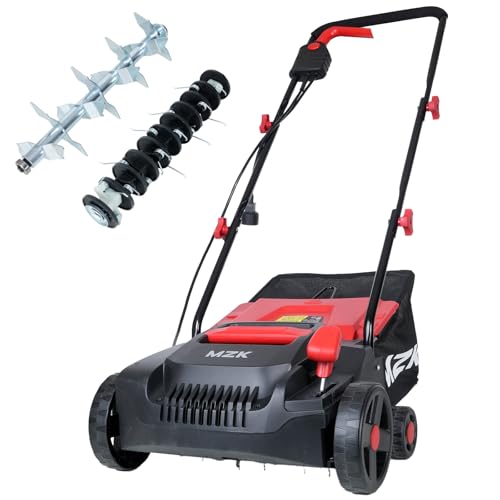
Break up the soil surface and remove excess thatch to make the environment less hospitable. If your lawn has a thatch layer thicker than 0.5 inches, use a power dethatcher to remove the spongy layer. Follow this by core aerating the lawn to break up compacted soil. This disrupts shallow vole burrows and makes the surface environment much less appealing for them to inhabit. - Set Perimeter Snap Traps
To reduce the existing population, set standard wooden snap traps along the active surface runways. Bait the traps with a small slice of apple or peanut butter, and place them perpendicular to the runway with the trigger pan directly in the path. Cover the trap with a overturned bucket or a PVC pipe section to protect pets and birds, checking them daily to remove captured voles.
Recommended Products and Tools
Equipment
To execute your Vole Damage Prevention plan, you need reliable physical tools. A pack of standard wooden snap traps is essential for population control, with high-quality models costing between $10 and $20 for a pack of six. A sturdy pair of heavy-duty tin snips or wire cutters will cost about $15 to $25 and is vital for cutting hardware cloth. Additionally, a basic pump sprayer for applying liquid repellents will range from $20 to $40.
Chemical Products or Fertilizers
When applying repellents, look for commercial formulations containing Thiram or capsaicin. A 32-ounce bottle of tree and shrub repellent concentrate typically costs between $20 and $35, treating up to 500 square feet of bark and foliage. If you prefer a ready-to-spray option, a pre-mixed hose-end bottle of capsaicin repellent will cost around $15 to $25. For severe infestations, rodenticide bait blocks containing bromethalin cost about $20 to $40, but must be used in secured, tamper-resistant bait stations.
Organic or Natural Alternatives
For homeowners preferring natural methods, predator urine is an excellent organic deterrent. A 32-ounce bottle of fox or coyote urine granules costs between $25 and $45 and can be spread around the perimeter of your yard. Pure capsaicin sprays derived from hot peppers are also available for about $20 per bottle. Additionally, planting strongly scented herbs like daffodils, alliums, and lavender around your garden beds can naturally repel voles for just $10 to $15 per plant.
Cost Breakdown
| Item / Service | DIY Cost | Professional Cost | Notes |
|---|---|---|---|
| Hardware Cloth | $20 – $40 | Included | Quarter-inch mesh for 50 linear feet. |
| Snap Traps | $10 – $20 | Included | Pack of 6 wooden traps for perimeter use. |
| Tree Repellent | $20 – $35 | Included | Thiram or capsaicin concentrate for bark. |
| Predator Urine | $25 – $45 | Rarely Used | Fox or coyote urine granules for borders. |
| Wire Cutters | $15 – $25 | N/A | One-time purchase for cutting mesh barriers. |
| Professional Inspection | N/A | $100 – $200 | Site visit to identify runways and entry points. |
| Professional Trapping | N/A | $250 – $500 | Full service population reduction per visit. |
| Physical Exclusion | $50 – $150 | $300 – $800 | Hardware cloth installation for garden beds. |
| Totals | $140 – $315 | $650 – $1,500 | Includes all materials, labor, and equipment. |
Common Mistakes to Avoid
- Piling mulch against tree trunks: This practice, known as volcano mulching, creates the perfect hidden habitat for voles to chew through the bark undetected. Always pull mulch back 6 inches from the trunk and keep the layer no deeper than 3 inches to expose the soil surface to predators.
- Using mothballs in the yard: Mothballs are completely ineffective for controlling voles and are actually illegal to use in this manner. They are registered pesticides designed for airtight indoor containers, and using them outdoors leaches toxic chemicals into your soil and groundwater without harming the voles.
- Ignoring winter protection: Many homeowners stop vole control efforts in the late fall, but winter is actually when the most severe tree damage occurs. The snow provides cover for voles to girdle trees undetected. Always install hardware cloth cylinders around young trees before the first snowfall hits the ground.
- Using mole poison for voles: Standard grain-based poisons designed for mice or moles are largely ineffective against voles in an outdoor landscape. Voles prefer fresh vegetation and will ignore dry poison blocks unless they are placed in highly secured, underground bait stations. Focus on habitat modification and snap trapping instead.
- Leaving ground cover too thick: Failing to mow the lawn and clear weeds before the first frost gives voles the perfect winter habitat. You must mow the grass down to 3 inches and clear all dense vegetation in the late fall. This removes their protective cover right before the winter months when they are most likely to seek shelter near your plants.
- Only treating one side of the property: Voles do not respect property lines and will easily migrate from a neighbor’s overgrown yard. If you only clear vegetation and set traps on your side of the fence, new voles will simply move in to fill the void. You must create a comprehensive buffer zone around the entire perimeter of your property.
- Waiting until spring to assess damage: By the time the snow melts in the spring, the voles have already done their worst damage to your trees and shrubs. You cannot reverse girdled bark or dead roots in the spring. You must implement your Vole Damage Prevention plan in the late fall to stop the destruction before it even begins.
Seasonal Timing and Best Practices
Spring
Spring is the time to assess winter damage and begin active population control. As the snow melts, you will clearly see the extent of the vole runways and any girdled trees. Remove any dead plants, prune damaged shrubs back to healthy wood, and immediately begin mowing the lawn to 3 inches. This is also the time to set snap traps along the newly exposed runways to reduce the population before the spring breeding season begins.
Summer
During the summer, voles are highly active and reproducing rapidly. Your primary focus should be on strict habitat modification. Mow the lawn weekly to maintain a 3-inch height and keep all weed patches completely cleared. Apply liquid repellents to vulnerable plants in early summer, and ensure that bird feeders are kept impeccably clean to avoid providing a free buffet for the growing vole population.
Fall
Fall is the absolute most critical season for Vole Damage Prevention, specifically for protecting your trees and shrubs. Before the ground freezes and the snow falls, install hardware cloth cylinders around the base of all young trees. Pull all mulch back from the trunks, and apply a heavy coat of taste-based repellent to the bark. This prepares your landscape to withstand the heavy feeding pressure that occurs under the winter snow.
Winter
In the winter, voles remain active beneath the snow, making direct intervention difficult. Your main task is simply to monitor the situation and avoid compacting the snow along the fences and foundations where voles like to travel. If you have a mild winter with little snow, you may still see surface activity and can continue to set snap traps. Otherwise, rely on the physical barriers you installed in the fall.
When to Call a Professional
While many homeowners can successfully manage a vole problem on their own, there are specific situations where hiring a professional is the smartest choice. If you have a large property, especially one bordering a wooded area or a vacant lot, the sheer amount of labor required to clear vegetation and set traps can be overwhelming. Additionally, if you have tried multiple DIY trapping sessions and the voles continue to multiply, a professional wildlife control expert has the experience to locate the deep burrow systems you might be missing.The typical cost for professional Vole Damage Prevention and control ranges from $250 to $500 for a standard residential property. This price usually includes the initial inspection, the setting and monitoring of traps, and the application of commercial-grade repellents. Some companies also offer full-yard exclusion services, which can cost upwards of $800 depending on the linear footage of the barriers installed.When hiring a professional, always ask if they are licensed and insured to handle wildlife and rodenticides in your state. You should also ask exactly which methods they use, specifically whether they rely on snap trapping or chemical bait stations. Finally, inquire about their guarantee and whether they offer follow-up visits to ensure the population remains under control throughout the season.
Frequently Asked Questions
What is the difference between a vole and a mouse?
While they look similar, voles are stockier than house mice with shorter tails, smaller eyes, and partially hidden ears. House mice typically invade the interior of homes and do not create extensive outdoor tunnel systems. Voles, on the other hand, are strictly outdoor pests that create visible surface runways through grass and dig shallow burrows in the soil. Recognizing these physical and behavioral differences helps you choose the correct control methods.
Will voles eventually leave my yard on their own?
Voles will not leave your yard on their own as long as there is an abundant food source and protective cover available. In fact, if left untreated, their population will likely grow exponentially, as a single pair can produce up to fifty offspring in a single year. They will only leave if you actively make the environment completely inhospitable by removing their food, clearing their hiding spots, and reducing their numbers through trapping.
How do I protect my trees from voles during the winter?
The most effective way to protect trees in the winter is by installing physical barriers made of quarter-inch hardware cloth. Cut the mesh tall enough to extend 24 inches above the expected maximum snow line in your area. Wrap it around the trunk, leaving a 2-inch gap between the wire and the bark to allow for growth. This prevents voles from reaching the bark even when they are walking on top of the snow.
Do ultrasonic sound devices actually keep voles away?
Ultrasonic sound devices are largely ineffective for controlling voles in an outdoor landscape. These devices emit high-frequency sounds that are supposed to irritate pests, but the sound waves dissipate rapidly in open outdoor environments and cannot penetrate the soil. Voles quickly habituate to the noise or simply move their burrows slightly out of the direct path of the sound. Physical barriers and habitat modification are much more reliable methods.
Can I use standard mouse poison to kill voles in my yard?
Standard indoor mouse poisons are not recommended or effective for controlling voles in an outdoor landscape. Voles prefer fresh vegetation and will largely ignore dry grain-based poison blocks scattered on the surface. If you must use chemical baits, you need to use specific rodenticides placed inside tamper-resistant, underground bait stations to protect pets and wildlife. However, habitat modification and snap trapping are always the preferred and safest first steps.
How fast do voles reproduce in a typical backyard environment?
Voles reproduce incredibly fast, which is why a small problem can quickly become a massive infestation. A female vole can have up to five litters per year, with each litter containing three to six young. The babies reach sexual maturity in just forty days. This rapid reproductive cycle means that if you do not take immediate action to reduce their numbers, your yard could be overrun by dozens of voles in a single season.
Will having a cat or dog stop voles from damaging my lawn?
While a good mouser cat or a terrier dog can certainly help reduce the local vole population, they will not completely stop the damage. Voles spend the vast majority of their time underground or hidden in dense surface runways where pets cannot easily reach them. Furthermore, pets cannot patrol your entire yard twenty-four hours a day. You should view pets as a helpful supplement to your control plan, not a complete solution.
Conclusion
Successful Vole Damage Prevention requires a deep understanding of their biology, precise timing, and the right combination of physical and cultural tools. By clearing dense vegetation, installing hardware cloth barriers around vulnerable trees, and utilizing targeted snap traps, you can completely reclaim your yard from these destructive rodents. Always remember that removing their protective cover is just as important as trapping the animals themselves.Proper timing and proactive habitat modification are the most valuable strategies in your landscape management arsenal. By keeping your mulch layers thin, mowing at the correct height, and protecting tree trunks before the first snowfall, you create an environment that voles naturally want to avoid. Keep this guide handy as a reference throughout the changing seasons to ensure your plants stay healthy and completely pest-free. Bookmark this article and share it with fellow homeowners who want to protect their landscapes from subterranean and surface-level destruction.