Everything You Need to Know About Lawn Care for Pet Owners
Introduction and Overview
The crisp air and sunshine are perfect for playing fetch, but your yard might be paying the price. If you are struggling with yellow urine spots, muddy paws, or worn-out dirt paths, mastering Lawn Care for Pet Owners is the ultimate solution. This comprehensive guide is designed for everyday homeowners who want a thick, green lawn without putting their furry friends at risk. Whether you are dealing with nitrogen burn, heavy digging, or just want to ensure your fertilizers are safe, this article has you covered. In the next few minutes, you will learn exactly how to balance a beautiful landscape with the chaotic reality of active dogs and cats. We will walk you through the entire process, from selecting the most durable grass seed to applying pet-safe weed control. You will also discover which tools you need, how much money you should expect to spend, and the common mistakes that lead to a destroyed yard. By the end of this guide, you will have the confidence to tackle your Lawn Care for Pet Owners routine like a seasoned professional. Let us dive into the secrets of keeping your turf healthy, resilient, and completely safe for your four-legged family members.
Key Takeaways
| Topic | Key Point |
|---|---|
| Urine Spots | Dilution is the solution; water the area immediately after your pet goes to the bathroom. |
| Grass Types | Tall fescue and perennial ryegrass are the most urine-resistant and durable options. |
| Chemical Safety | Wait 48 to 72 hours after applying synthetic fertilizers before letting pets roam freely. |
| Soil Amendments | Apply pelletized gypsum to neutralize salt and nitrogen buildup in the topsoil. |
| Mowing Height | Keep grass at 3 to 3.5 inches to protect roots from digging and heavy foot traffic. |
| Toxic Plants | Remove lilies, azaleas, and sago palms to prevent accidental poisoning from chewing. |
| Paw Protection | Water the lawn early morning to cool the turf and prevent paw pad burns in summer. |
| Designated Areas | Train pets to use a specific gravel or mulch zone to save the main turf from damage. |
Understanding Lawn Care for Pet Owners
Lawn Care for Pet Owners is a specialized approach to turf management that balances aesthetic goals with the physical realities of active animals. When you share your yard with dogs or cats, the grass faces unique biological and physical stressors that a standard lawn never encounters. The most visible issue is pet urine, which contains high concentrations of nitrogen and salts. Many homeowners mistakenly believe that dog urine is highly acidic and that this acidity burns the grass. However, turfgrass science tells a different story. The damage is actually caused by the sheer volume of nitrogen dumped into a single, small area. This massive dose acts like an overdose of synthetic fertilizer, burning the grass crown and roots while creating a dark green ring where the nitrogen was slightly diluted. Beyond chemical burns, the physical wear and tear from pets is immense. Dogs running along the same fence line every day compact the soil so severely that water and air can no longer reach the roots. Their sharp claws tear the grass blades and dig into the thatch layer, creating bare patches that quickly turn into muddy craters. Furthermore, the safety of the chemicals you apply is a massive concern. Pets walk barefoot on treated grass, get chemicals on their paw pads, and then ingest those toxins when they groom themselves. This makes selecting the right products an absolute necessity. A successful Lawn Care for Pet Owners strategy requires a holistic mindset. You cannot simply treat the symptoms; you must alter the environment to withstand the abuse. This means choosing grass varieties with deep, aggressive root systems that can recover from digging. It means adjusting your mowing habits to leave more leaf blade, which shades the soil and protects the crown from claw damage. It also means understanding the dietary habits of your pets, as high-protein diets increase the nitrogen content in their waste. By understanding these biological interactions, you can create a yard that is not only beautiful but also a safe, durable playground for your best friend.
Signs, Symptoms, or Key Types
Visual Signs of Pet Damage
Before you can fix the problem, you must accurately diagnose the type of damage your pets are causing. The most classic sign is the circular yellow spot with a dark green ring. This indicates a concentrated urine burn where the center received a lethal dose of nitrogen, while the outer edges received just enough to act as a fertilizer. You might also notice worn dirt paths along fence lines or between the back door and the gate. These paths indicate severe soil compaction where the grass has been literally trampled out of existence. Another major warning sign is chewed or dug-up roots, which look like small, overturned patches of soil and shredded grass. This is especially common with terriers and high-energy breeds that hunt for grubs or simply bury toys.
Key Types of Pet-Safe Grass Seed
Choosing the right grass is the foundation of a durable yard. Tall Fescue is the undisputed champion for pet lawns. It has a deep, extensive root system that makes it highly drought-tolerant and incredibly resistant to urine burns. Its broad blades also withstand heavy foot traffic beautifully. Perennial Ryegrass is another excellent option, known for its rapid germination and ability to recover quickly from physical damage. It is often mixed with tall fescue to provide quick cover while the fescue establishes. Kentucky Bluegrass is highly valued for its ability to spread via underground rhizomes. This means if your dog digs a hole, the bluegrass will naturally creep in and repair the bare spot over time, though it is less tolerant of urine than fescue.
Warning Signs of Chemical Exposure
You must also monitor your pets for signs that your lawn care products are harming them. If you notice red, cracked, or irritated paw pads, your pet may be walking on grass that was treated with harsh herbicides or excessive synthetic fertilizers. Excessive licking of the paws immediately after coming inside is another major red flag, indicating that the paws are itchy or burning from chemical residue. In severe cases, ingestion of toxic lawn chemicals or toxic landscaping plants can cause unexplained vomiting, diarrhea, or lethargy. If you see these symptoms, immediately wash your pet’s paws with mild soap and consult a veterinarian.
Causes and Contributing Factors
Biological Factors
The primary cause of yellow lawn spots is the biological composition of pet urine. Dogs are carnivores, and their high-protein diets result in urine that is exceptionally rich in nitrogen compounds. When a female dog squats, she deposits a large, concentrated puddle of this nitrogen-rich liquid directly onto the grass crown. This creates the classic dead spot. Male dogs, on the other hand, tend to lift their legs and deposit smaller amounts of urine on vertical surfaces. This is why you often see burned leaves and dying bark on shrubs and trees where male dogs frequently mark their territory. The concentrated nitrogen literally burns the cambium layer of the plant, cutting off its nutrient supply.
Environmental and Physical Stressors
The physical environment of your yard also plays a massive role in how well it withstands pet activity. Soil compaction from heavy paws running the same route every day squeezes the air out of the soil. Without oxygen, the grass roots suffocate and die, leaving behind bare dirt that quickly turns to mud when it rains. Heat stress is another major factor. During the summer, grass blades can reach temperatures significantly higher than the ambient air. When a dog runs across the lawn, the friction and lack of moisture in the grass blades can cause physical tearing. If the grass is already stressed by drought, the additional traffic will easily kill the turf.
Lawn Management Mistakes
Often, the damage is worsened by poor lawn care habits. Mowing the grass too short is a massive mistake for pet owners. Scalping the lawn removes the protective leaf blades, exposing the tender crown to direct sunlight, claw damage, and urine burns. Over-fertilizing the lawn also contributes to the problem. If you are already applying high-nitrogen synthetic fertilizers, the additional nitrogen from pet urine pushes the total concentration past the toxicity threshold, guaranteeing dead spots. Finally, failing to water in chemical applications leaves toxic residue on the grass blades, which transfers directly to your pet’s paws and fur, creating a hazardous environment for your animals.
Step-by-Step Solution or Prevention Plan
- Hydrate Your Pet Constantly
The simplest way to prevent urine spots is to dilute the nitrogen before it ever hits the grass. Encourage your dog to drink more water by adding a splash of low-sodium beef broth to their bowl or using a pet water fountain. A well-hydrated dog produces a much larger volume of urine, but the nitrogen is significantly more diluted. This lower concentration is often small enough to act as a mild fertilizer rather than a toxic burn, resulting in a uniformly green lawn. - Water the Lawn Immediately After Potty Time
If you catch your dog finishing their business, immediately grab a watering can or a hose with a breakaway nozzle and pour about 1 gallon of water over the spot. This physically washes the nitrogen off the grass blades and pushes it deep into the soil profile. By diluting the urine in the root zone, you prevent the concentrated burn at the surface. This simple habit takes ten seconds and can completely eliminate yellow spots without changing your dog’s diet or using chemical soil additives. - Apply Soil Amendments to Neutralize Salts
Over time, pet urine leaves behind residual salts that build up in the topsoil, making it hostile to new grass seed. To fix this, apply pelletized gypsum (calcium sulfate) to the affected areas. Use a broadcast spreader to apply the gypsum at a rate of 5 to 10 pounds per 1,000 square feet. The calcium in the gypsum binds to the sodium salts in the soil, allowing them to be flushed away when you water. Follow this up with 0.5 inches of water to activate the amendment and push it into the root zone. - Choose the Right Grass Seed for Repairs
When it is time to fix bare spots, do not just throw down cheap seed. Purchase a high-quality blend of tall fescue and perennial ryegrass. Prepare the soil by loosening the top 0.5 inches with a steel rake. Spread the seed at a rate of 6 to 8 pounds per 1,000 square feet. Cover the seed lightly with a thin layer of peat moss or weed-free straw to retain moisture. Keep the area consistently moist by watering lightly for 10 minutes, twice a day, until the new grass reaches 2 inches tall. - Adjust Your Mowing Habits for Durability
Change your mower deck to cut the grass at a height of 3 to 3.5 inches. This taller height provides a thick canopy that shades the soil, keeping the root zone cool and moist. More importantly, the extra leaf surface area protects the grass crown from the physical scraping of dog claws. When you mow, always ensure the blade is razor-sharp. A dull blade tears the grass tips, creating white, frayed ends that lose moisture rapidly and turn brown, making the lawn look damaged even if the roots are healthy. - Create a Designated Potty and Run Zone
Train your dog to use a specific area of the yard for bathroom breaks and high-speed running. Choose a side yard or a corner that receives less visual attention. Clear the grass in this area and lay down a 2 to 3 inch layer of pea gravel or cedar mulch. Cedar mulch is particularly excellent because its natural oils help neutralize ammonia odors. Use treats and positive reinforcement to train your pet to use this zone. This sacrifices a small area to save the rest of your pristine turf. - Switch to Pet-Safe Lawn Products
Review every chemical you put on your yard and swap harsh synthetics for pet-safe alternatives. For weed control, switch to an iron-based herbicide (FeHEDTA). These products target broadleaf weeds by causing them to absorb too much iron, while leaving the grass and pets completely unharmed. For fertilizers, use organic, slow-release options like compost top-dressing or feather meal. These natural products break down slowly, providing a steady food supply without the risk of chemical burns on your pet’s paws. - Aerate Compacted Running Paths
If your dog has worn a dirt path through the yard, the soil is likely compacted as hard as concrete. Rent a core aerator and run it directly over these paths. This machine pulls plugs of soil that are 2 to 3 inches deep, physically breaking up the compaction. After aerating, fill the holes with topdressing sand or compost to improve drainage. Finally, overseed the paths with a tough perennial ryegrass blend to rebuild the turf in these high-traffic zones.
Recommended Products and Tools
Equipment
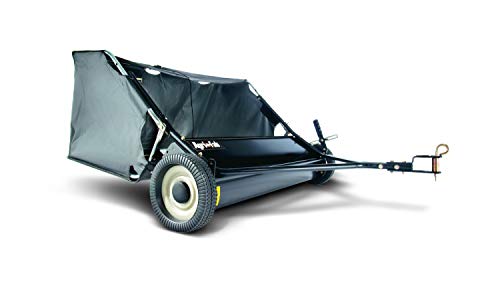
To maintain a pet-friendly yard, you need the right tools. A broadcast spreader is essential for applying gypsum and organic fertilizers evenly. Basic manual push spreaders cost between $40 and $80, while motorized tow-behind models range from $300 to $600. A high-quality hose with a soft rain breakaway nozzle is crucial for watering down urine spots without blasting the grass out of the soil, costing about $30 to $50. If you need to repair deep ruts, renting a core aerator typically costs $70 to $100 per day. Finally, invest in a sturdy thatch rake with rigid metal tines, priced around $25 to $40, to clear away dead grass and prepare the soil for seeding.
Chemical Products or Fertilizers
Synthetic products can be safe if used correctly, but you must choose wisely. A premium iron-based selective herbicide (like FeHEDTA) costs about $40 to $70 for a 5,000-square-foot bag and is completely safe for pets once dry. For feeding the lawn, a high-quality organic slow-release fertilizer costs between $50 and $85 per 5,000-square-foot bag. If you need to repair severe urine damage, a liquid soil salt leacher costs $20 to $35 per gallon and helps flush toxic salts out of the root zone quickly. Always read the label to ensure the product explicitly states it is safe for pets once applied.
Organic or Natural Alternatives
For homeowners who want to avoid all synthetic chemicals, there are excellent organic options. Pelletized gypsum is a natural mineral that costs about $25 to $45 for a 40-pound bag and is incredibly effective at neutralizing urine salts. Corn gluten meal is a fantastic natural pre-emergent that stops weed seeds from germinating while adding safe nitrogen to the soil, costing $50 to $80 per 40-pound bag. Top-dressing with organic compost is the best way to improve soil health naturally. You can buy bagged organic compost for $4 to $8 per cubic foot, or have bulk compost delivered for $30 to $50 per cubic yard.
Cost Breakdown
| Item / Service | DIY Cost | Professional Cost | Notes |
|---|---|---|---|
| Soil Test | $15 – $25 | Included | Essential for checking salt and nutrient levels. |
| Pet-Safe Grass Seed | $60 – $100 | $120 – $200 | Tall fescue and ryegrass blends for high traffic. |
| Pelletized Gypsum | $25 – $45 | $80 – $150 | Used to neutralize urine salts in the soil. |
| Organic Fertilizer | $50 – $85 | $100 – $200 | Safe, slow-release nutrients that won’t burn paws. |
| Core Aeration | $70 – $150 | $150 – $300 | Rental fees vs. professional labor for compaction. |
| Designated Potty Zone Setup | $50 – $100 | $200 – $400 | Cost of pea gravel, cedar mulch, and edging. |
| Labor (Pet-Safe Lawn Program) | $0 | $400 – $800 | Professional fee for organic treatments and aeration. |
| Total Estimated Cost | $270 – $505 | $1,050 – $2,050 | Based on an average 5,000 sq ft residential lawn. |
Common Mistakes to Avoid
- Trying to Change Your Dog’s Urine pH: Many products claim to fix urine spots by altering the pH of your dog’s urine through diet or supplements. This is a myth and a dangerous mistake. The damage is caused by nitrogen concentration, not pH. Altering your dog’s diet can lead to severe urinary tract health issues and will not save your grass.
- Mowing the Grass Too Short: Scalping the lawn to 1.5 inches to “clean it up” exposes the soil and the grass crown to direct sunlight and dog claws. This makes the turf incredibly vulnerable to urine burns and physical tearing. Always keep the mower deck at 3 to 3.5 inches to protect the plant.
- Letting Pets on Treated Grass Too Soon: Applying synthetic fertilizers or herbicides and letting the dog out immediately is a recipe for chemical poisoning. The chemicals sit on the grass blades and transfer to the paws. Always water the product in deeply and wait at least 48 to 72 hours until the grass is completely dry before allowing pet access.
- Ignoring the Female Dog Squat: Many owners assume all dog urine is the same. Female dogs squat and deposit a massive, concentrated puddle of nitrogen in one spot, guaranteeing a dead circle. Male dogs lift their legs and spread it out. You must be hyper-vigilant about watering down the spots where female dogs go to prevent severe damage.
- Planting Toxic Landscaping: Focusing only on the grass while ignoring the shrubs is a critical error. Many common landscaping plants, including azaleas, lilies, sago palms, and oleander, are highly toxic to dogs and cats if chewed. Always verify that every plant in your yard is non-toxic before bringing a new pet home.
- Over-Fertilizing the Lawn: Adding high-nitrogen synthetic fertilizer to a lawn that already has dogs is like pouring gasoline on a fire. The combined nitrogen load will inevitably burn the grass. Switch to low-nitrogen, high-potassium organic fertilizers to keep the grass healthy without pushing the nitrogen levels into the toxic zone.
- Using Sharp-Edged Mulch in Play Areas: If you create a designated potty or play zone, do not use sharp gravel or cocoa bean mulch. Sharp rocks can cut your dog’s paw pads, and cocoa bean mulch contains theobromine, which is highly toxic if ingested. Always use smooth pea gravel or pet-safe cedar mulch.
Seasonal Timing and Best Practices
Spring
Spring is the time for recovery and preparation. As the soil warms to 50°F, begin repairing the winter damage by raking out dead grass and overseeding bare spots with tall fescue. This is also the time to apply a pet-safe pre-emergent herbicide to stop crabgrass before it starts. Keep your dog off the freshly seeded areas until the new grass is tall enough to be mowed. Begin your regular watering routine to help the grass establish deep roots before the summer heat arrives.
Summer
Summer is all about stress management and paw protection. The grass is growing rapidly, and the heat can make the turf blades incredibly hot. Water your lawn deeply in the early morning to cool the soil and prevent paw pad burns when your dog runs outside. Monitor the yard for signs of dehydration and increase watering to 1.5 inches per week if necessary. Keep the grass mowed at the higher end of the range, around 3.5 to 4 inches, to shade the soil and retain moisture.
Fall
Fall is the most critical season for building a durable lawn. When soil temperatures drop to 50°F, core aerate the entire yard, paying special attention to the worn running paths. Overseed the entire lawn with a tough, pet-resistant blend. Apply an organic winterizer fertilizer to help the grass store energy for the spring. This is also the best time to apply pelletized gypsum to neutralize any salt buildup that accumulated over the summer.
Winter
Winter is the time for dormancy and protection. The grass is asleep, and the crowns are highly vulnerable to physical damage. Keep your dog off the frozen turf as much as possible, as the brittle grass blades will shatter underfoot. If you live in an area that uses ice melt, ensure you use a pet-safe, chloride-free ice melt product around the walkways. Standard rock salt will burn your dog’s paws and kill the grass the moment the snow melts in the spring.
When to Call a Professional
While a Lawn Care for Pet Owners routine is highly rewarding, there are times when hiring a professional is the smarter choice. You should call a lawn care expert if your yard has severe, unmanageable compaction, if you need to install a complex drainage system to fix muddy areas, or if you want to completely renovate the yard with sod. Additionally, if you struggle to find the time to water down urine spots or apply organic treatments consistently, a professional service can take over the heavy lifting. Hiring a licensed company also guarantees that the products they use are strictly vetted for pet safety.The typical cost to hire a professional lawn care company for a comprehensive, pet-safe lawn program ranges from $600 to $1,500 per year. This price usually includes multiple organic fertilizer applications, aeration, overseeding, and targeted weed control using iron-based herbicides.Before hiring anyone, ask these crucial questions:
- Are all the products you use explicitly safe for pets, and what is the re-entry time? (Ensure they use organic or iron-based products and provide clear safety windows).
- Do you have experience repairing severe dog urine damage and soil compaction? (A general landscaper might not understand the specific biology of pet damage).
- Can you provide a list of the exact active ingredients in every chemical you plan to apply? (Transparency is key to ensuring your pet’s safety).
- Do you offer a guarantee if the new grass seed fails to germinate due to pet traffic? (Reputable companies will return and reseed problem areas for free).
Frequently Asked Questions
Does dog urine pH actually kill the grass?
No, the pH of dog urine does not kill the grass; the concentration of nitrogen does. Many homeowners waste money on supplements to change their dog’s urine acidity, but science shows this is ineffective. The yellow spots occur because the dog deposits a massive dose of nitrogen in one small area, which acts like an overdose of fertilizer and burns the grass crown. The dark green ring around the spot is simply the diluted nitrogen acting as a mild fertilizer. Diluting the urine with water is the only effective way to prevent this damage.
What is the most dog-friendly grass seed to plant?
Tall fescue is widely considered the most dog-friendly grass seed you can plant. It has a deep, aggressive root system that makes it highly tolerant of both urine burns and heavy physical wear. Its broad blades also recover quickly from being trampled. Perennial ryegrass is another excellent choice because it germinates very quickly and handles heavy foot traffic well. For the best results, plant a blend of tall fescue and perennial ryegrass to combine the durability of fescue with the rapid recovery of ryegrass.
How long should I keep my dog off the lawn after fertilizing?
If you use synthetic fertilizers or chemical weed killers, you should keep your dog off the lawn for at least 48 to 72 hours. The chemicals need time to water into the soil and the grass blades must be completely dry before paws touch them. If you use organic, pet-safe fertilizers like compost or feather meal, the re-entry time is much shorter. You can usually let your dog back on the yard after 24 hours, or as soon as the granules have been watered in and the surface is dry.
Will adding tomato juice or supplements to my dog’s diet fix urine spots?
No, adding tomato juice or commercial baking supplements to your dog’s diet will not fix urine spots, and it can actually harm your pet. These products attempt to change the pH of the urine, but as established, pH is not the cause of the grass damage. Furthermore, altering your dog’s diet can lead to serious urinary tract health issues, including the formation of bladder stones. The safest and most effective method to prevent urine spots is simply to water the area immediately after your dog goes to the bathroom.
How do I repair deep ruts and dug-up holes in my yard?
To repair deep ruts, first fill the depressed areas with high-quality topsoil, leveling it slightly above the surrounding grade to account for settling. Spread a high-quality tall fescue seed over the topsoil at a rate of 6 to 8 pounds per 1,000 square feet. Cover the seed lightly with weed-free straw or peat moss to retain moisture. To prevent your dog from immediately digging it up again, place temporary physical barriers like decorative fencing or large potted plants around the area until the new grass is tall enough to be mowed.
Are there any weed killers that are 100% safe for pets?
While no chemical is entirely without risk, iron-based herbicides (FeHEDTA) are the safest option available for pet owners. These products work by causing broadleaf weeds to absorb a lethal dose of iron, while the grass naturally regulates iron uptake and remains unharmed. Because the active ingredient is simply iron, it poses virtually no toxicity risk to pets once it dries. Always water the product in according to the label, and wait until the grass is completely dry before letting your dog back into the yard to ensure maximum safety.
How can I stop my dog from running in circles and wearing out the grass?
Dogs often wear out the grass by running the same “zoomie” paths or pacing along the fence line. To stop this, you must redirect their energy. Create a designated run zone by clearing the grass in a specific area and laying down a 2 to 3 inch layer of pea gravel or cedar mulch. Encourage your dog to use this area by playing fetch there and giving them treats. Additionally, ensure your dog is getting enough mental and physical exercise outside the yard to reduce the pent-up energy that leads to destructive running patterns inside the yard.
Conclusion
Mastering Lawn Care for Pet Owners is the most effective way to ensure your yard survives the chaos of active dogs and remains a safe, beautiful space for your family. By understanding that urine damage is caused by nitrogen concentration, you can implement simple habits like immediate watering and proper hydration to protect the turf. Choosing durable grass varieties like tall fescue, maintaining a higher mowing height, and using pet-safe organic products further fortify your lawn against physical wear and chemical exposure. Avoid the common pitfalls of altering your dog’s diet, mowing too short, and using harsh synthetic chemicals. With patience and the right techniques, your fall and spring efforts will reward you with a resilient, lush lawn that you and your pets can enjoy safely all year long. Bookmark this guide to reference the step-by-step instructions every season, and share it with fellow dog owners who want to protect their own turf from paw damage.