Your Complete Guide to Large Patch Disease
Introduction and Overview
Waking up to find circular brown spots spreading across your once-green lawn is incredibly frustrating. If you maintain a warm-season turf, you are likely dealing with Large Patch Disease. This aggressive fungal infection targets popular grasses like St. Augustine, Zoysia, and Bermudagrass during their transitional seasons. Many homeowners mistakenly assume these brown patches are caused by drought or dog urine. However, improper diagnosis leads to ineffective treatments and worsening damage. This comprehensive guide is specifically designed for homeowners who want to reclaim their yards. In this article, we will explore the exact causes of Large Patch Disease. You will learn how to accurately identify the symptoms before they spread out of control. We will also provide a detailed, step-by-step prevention and treatment plan. By the end of this guide, you will have all the tools needed to protect your lawn investment.
Key Takeaways
| Topic | Key Point |
|---|---|
| Primary Pathogen | Caused by the fungus Rhizoctonia solani, specifically targeting warm-season grasses. |
| Ideal Conditions | Thrives in temperatures between 50°F and 85°F, especially during high humidity. |
| Visual Symptoms | Features circular brown patches, a dark “smoke ring” border, and rotting leaf sheaths. |
| Watering Impact | Overwatering and evening irrigation create the moist environment the fungus needs to spread. |
| Fertilizer Risks | Applying high-nitrogen fertilizers in the fall severely worsens the infection rate. |
| Treatment Timing | Preventative fungicide applications are most effective when soil temperatures drop to 70°F. |
| Recovery Period | Grass typically recovers naturally in late spring once soil temperatures rise above 80°F. |
| Professional Help | Hire a pro if patches exceed 10 feet in diameter or DIY fungicides fail after two applications. |
Understanding Large Patch Disease
Large Patch Disease is a highly destructive turfgrass disease caused by the soil-borne fungus Rhizoctonia solani. While this pathogen exists in almost all soils, it only becomes problematic under specific environmental conditions. It primarily attacks the leaf sheaths and stolons of warm-season grasses rather than the actual roots. This disease was formerly known as Brown Patch, but turfgrass scientists updated the name to avoid confusion. Brown Patch refers to the exact same fungus attacking cool-season grasses during the hot summer months. Large Patch Disease specifically targets warm-season varieties during the cooler months of spring and fall. Understanding this distinction is crucial for selecting the right treatment strategies. The fungus survives the winter in the thatch layer and soil debris. It remains completely dormant during the peak heat of summer when your warm-season grass is actively thriving. The real danger occurs during the transitional periods when the grass is going dormant or waking up. During these times, the turf is naturally weaker and more susceptible to stress. The fungus takes advantage of this vulnerability, rapidly destroying the plant tissue from the inside out. A healthy lawn care plan must focus on cultural practices that reduce thatch and moisture. By keeping the grass environment slightly stressed and dry, you make it incredibly difficult for the fungus to establish itself. Proper mowing, watering, and aeration are your first lines of defense against this persistent pathogen.
Signs, Symptoms, or Key Types
Circular Brown Spots
The most obvious visual indicator of Large Patch Disease is the appearance of circular, sunken patches of brown grass. These patches typically start small, measuring about 12 inches in diameter. However, they can rapidly expand to reach sizes of 10 feet or more if left untreated. The grass inside these patches turns a dull, straw-like brown color and easily pulls away from the soil.
The “Smoke Ring” Border
If you inspect your lawn early in the morning while dew is still present, you might see a distinct dark border. This “smoke ring” is a dark purple or black boundary that outlines the edge of the active brown patch. It indicates that the fungus is actively spreading outward into the healthy green grass. This ring usually disappears once the sun dries the grass blades later in the day.
Leaf Sheath Rot
To confirm the diagnosis, you should gently pull the brown grass blades from the base of the plant. If the leaf sheaths are dark brown, water-soaked, and easily separate from the stem, you have Large Patch Disease. The rotting tissue will often have a foul, decaying odor. This internal rot is the definitive sign that the fungus has colonized the plant.
Irregular Recovery Patterns
As the weather warms up and the disease becomes dormant, the patches will stop expanding. You will often notice a ring of healthy, green grass recovering in the very center of the brown patch. This creates a donut-shaped appearance with a green center and a brown outer ring. This pattern is highly characteristic of Large Patch Disease and helps distinguish it from other lawn issues.
Causes and Contributing Factors
Excessive Moisture and Humidity
The single biggest contributor to Large Patch Disease is excessive moisture on the grass blades. The fungus requires free water on the leaf surface for at least 10 to 12 hours to successfully infect the plant. Overwatering, poor soil drainage, and heavy morning dew create the perfect environment for spore germination. Lawns with compacted soil or heavy clay are at a much higher risk because water pools on the surface.
Temperature Fluctuations
This disease is highly temperature-dependent and thrives when daytime temperatures are mild and nights are cool. The fungus becomes highly active when soil temperatures range between 50°F and 85°F. It is most aggressive during the late fall and early spring when nighttime temperatures drop below 65°F. The combination of warm days and cool, damp nights creates the ideal thermal shock that weakens the grass.
Improper Mowing and Thatch
Mowing your warm-season grass too short removes its natural defense mechanisms and exposes the soil to more sunlight. This practice, known as scalping, stresses the turf and makes it highly susceptible to infection. Additionally, a thick layer of thatch acts like a sponge, holding moisture directly against the grass crowns. If your thatch layer exceeds 0.5 inches in thickness, it creates a perfect incubator for the fungus.
High Nitrogen Fertilization
Applying high-nitrogen fertilizers during the fall or early spring is a massive mistake for warm-season lawns. Nitrogen promotes lush, rapid, and tender leaf growth that is incredibly weak against fungal attacks. When the grass is forced to grow during the cool transitional months, it lacks the structural integrity to fight off the pathogen. The fungus feeds on this soft, succulent tissue, causing the infection to spread exponentially.
Step-by-Step Solution or Prevention Plan
- Adjust Your Mowing Height: Set your mower deck to the highest recommended height for your specific grass type. Keep St. Augustine grass between 2.5 and 3 inches tall, and Zoysia or Bermudagrass between 1.5 and 2 inches. Taller grass shades the soil, reducing surface moisture and promoting deeper root growth. Never remove more than one-third of the grass blade at a single time to avoid stressing the turf.
- Water Deeply but Infrequently: Adjust your irrigation system to apply exactly 1 inch of water per week, including rainfall. Water only in the early morning between 4:00 AM and 8:00 AM so the sun can dry the blades quickly. Avoid light, daily watering, as this keeps the surface constantly wet and encourages shallow roots. Use rain gauges or tuna cans to measure your sprinkler output and ensure even coverage.
- Improve Airflow and Drainage: Identify low spots in your yard where water tends to pool after a rainstorm. Fill these depressions with a thin layer of sandy topsoil to improve surface drainage. Trim back overhanging tree branches and thick shrubs to allow sunlight and wind to reach the turf. Increased airflow dries the grass blades much faster, disrupting the fungal life cycle.
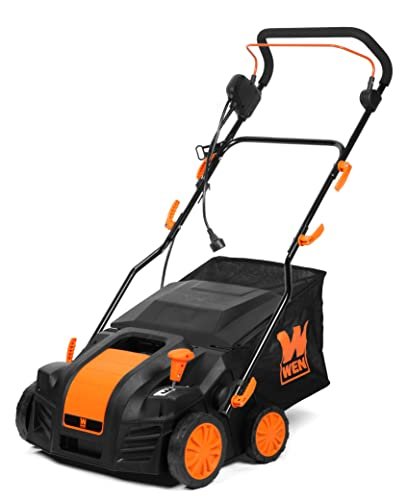
- Manage Thatch Levels: Check your thatch layer by cutting a small, 3-inch deep wedge out of your lawn. If the spongy brown layer between the green grass and the soil is thicker than 0.5 inches, you must dethatch. Use a power dethatcher or a heavy-duty thatch rake to physically remove the excess organic matter. This removes the habitat where the fungus overwinters and allows water to penetrate the soil.
- Apply Preventative Fungicide: Monitor your local soil temperatures and apply a preventative fungicide when the soil drops to 70°F. Use a product containing azoxystrobin or pyraclostrobin, applying 2 to 4 fluid ounces per 1,000 square feet. Mix the fungicide with at least 2 gallons of water per 1,000 square feet to ensure even coverage. Repeat the application 21 to 28 days later, or according to the specific product label instructions.
- Adjust Your Fertilizer Schedule: Stop applying high-nitrogen fertilizers at least six weeks before your area’s expected first fall frost. Switch to a slow-release, low-nitrogen fertilizer if you must feed the lawn in the late summer. Focus on applying potassium in the fall, as this nutrient helps strengthen the grass cell walls against fungal penetration. Always base your fertilizer applications on the results of a professional soil test.
- Clean and Sanitize Equipment: The fungus can easily spread from infected areas to healthy parts of your yard via your mower. After mowing an area with active Large Patch Disease, thoroughly clean the mower deck. Spray the underside of the deck and the blades with a solution of 10% household bleach and 90% water. This simple step prevents you from accidentally inoculating the rest of your lawn.
- Overseed or Resod Bare Areas: Do not attempt to replant bare patches while the disease is still active. Wait until the late spring or early summer when soil temperatures consistently stay above 80°F. Remove the dead thatch, loosen the top inch of soil, and lay down fresh sod plugs or sprigs. Keep the new areas lightly moist until the grass establishes a strong root system, which usually takes about 30 days.
Recommended Products and Tools
Equipment
To effectively manage Large Patch Disease, you need the right physical tools to alter the lawn environment. A core aerator is essential for relieving soil compaction; you can rent one for $60 to $90 per day or buy a manual plug aerator for $40 to $70. A thatch rake or a power dethatcher (rental cost $80 to $120 per day) is necessary to remove the spongy organic layer. Finally, a pump-style tank sprayer with a 2-gallon capacity ($30 to $60) is required for applying liquid fungicides evenly across the turf.
Chemical Products or Fertilizers
When cultural practices are not enough, chemical intervention becomes necessary. Azoxystrobin (found in products like Heritage or Eagle 20EW) is the gold standard for prevention, costing about $45 to $75 per pint. Pyraclostrobin (often sold as Scotts DiseaseEx) is another excellent systemic option, ranging from $20 to $35 for a 10-pound bag of granules. For general lawn health, a slow-release potassium fertilizer (like 0-0-29) costs around $30 to $50 per 5,000 square foot bag and helps harden the grass against stress.
Organic or Natural Alternatives
If you prefer to avoid synthetic chemicals, there are effective biological options available. Neem oil acts as a mild fungicide and costs about $15 to $25 per gallon, though it requires frequent reapplication. Compost tea introduces beneficial microbes that outcompete the pathogen, costing $20 to $40 per gallon. The most effective organic treatment is Bacillus subtilis (sold as Serenade), a beneficial bacterium that attacks fungal cell walls, priced at $30 to $50 per quart.
Cost Breakdown
| Item / Service | DIY Cost | Professional Cost | Notes |
|---|---|---|---|
| Fungicide Application | $45 – $90 | $120 – $180 | DIY is per bottle; Pro is per 5,000 sq ft visit. |
| Core Aeration | $60 – $90 (Rental) | $100 – $175 | Pro price includes labor and equipment cleanup. |
| Dethatching Service | $80 – $120 (Rental) | $150 – $250 | Pro price varies heavily based on thatch thickness. |
| Professional Soil Test | $15 – $30 | $50 – $100 | Pro includes detailed analysis and amendment plan. |
| Full Pro Treatment Plan | N/A | $300 – $600 | Covers 3 to 4 seasonal fungicide applications. |
| Resodding Bare Patches | $150 – $300 | $400 – $800 | DIY is pallet cost; Pro includes soil prep and labor. |
| Mower Blade Sharpening | $15 – $30 | $40 – $75 | Dull blades tear grass, increasing disease risk. |
| Increased Water Usage | $20 – $50 / month | N/A | Deep watering requires running sprinklers longer. |
| Totals (Estimated) | $385 – $710 | $1,160 – $2,075 | Total reflects a full season of comprehensive care. |
Common Mistakes to Avoid
- Watering at Night: Watering in the evening leaves the grass blades wet for 10 to 12 hours. This extended leaf wetness is the exact trigger the fungus needs to infect the plant. Always water in the early morning so the sun can dry the turf quickly.
- Scalping the Lawn: Mowing your warm-season grass shorter than its recommended height severely stresses the root system. Scalping removes the grass’s ability to photosynthesize effectively and exposes the soil to the fungus. Always follow the one-third rule and keep the mower deck high.
- Applying Nitrogen in the Fall: Feeding your lawn high-nitrogen fertilizer in the autumn forces tender, weak growth right before the disease season. This soft tissue is easily penetrated by the fungus. Switch to potassium-based fertilizers in the fall to harden the plant instead.
- Ignoring the Smoke Ring: Many homeowners see the brown patches but miss the dark purple “smoke ring” at the edges. This ring indicates the disease is still actively spreading. If you see it, you must act immediately with a fungicide to stop the outward expansion.
- Overusing the Same Fungicide: Continually applying the same chemical class of fungicide will cause the fungus to develop genetic resistance. If your first treatment fails, switch to a product with a completely different active ingredient. Always rotate your chemical modes of action to maintain effectiveness.
- Mowing Wet Grass: Running your mower over a wet, infected lawn spreads the fungal spores rapidly across the entire yard. The mower blades act like tiny inoculation needles, pushing the disease into healthy grass. Wait until the dew has completely evaporated before you start mowing.
- Bagging Clippings Year-Round: While you should bag clippings during an active outbreak, doing it year-round removes valuable organic matter. Leaving clippings on the lawn during the healthy summer months actually returns nutrients to the soil. Just ensure you are not mowing too frequently or leaving heavy, wet clumps behind.
Seasonal Timing and Best Practices
Spring
As soil temperatures rise from 50°F to 70°F between March and May, the fungus becomes active again. This is the period when the overwintered spores begin to infect the waking grass. You should focus on removing winter debris and applying your first round of preventative fungicide. Keep your mower blades sharp and ensure you are not watering in the evening as the humidity rises.
Summer
During the peak heat of June through August, soil temperatures exceed 80°F and Large Patch Disease goes completely dormant. Your warm-season grass is actively growing and can naturally recover from the spring damage. Focus entirely on proper irrigation, applying exactly 1 inch of water per week. Avoid any stressful practices like dethatching or applying high-nitrogen fertilizers during this hot period.
Fall
This is the most critical season for Large Patch Disease management. Between September and November, soil temperatures drop back into the 70°F range, triggering a massive fungal bloom. You must apply your primary preventative fungicide treatments during this window. Stop all nitrogen fertilization at least six weeks before your first expected frost to prevent soft, susceptible growth.
Winter
From December through February, soil temperatures fall below 50°F and the disease is completely inactive. The grass is dormant and brown, making it impossible to see the damage. Use this time to perform a professional soil test and plan your spring fertilizer strategy. You can also schedule equipment maintenance and sharpen your mower blades to prepare for the upcoming growing season.
When to Call a Professional
While many homeowners can successfully manage this disease, there are specific signs that indicate you need expert help. If the brown patches exceed 10 feet in diameter and are merging together, the infection is likely too severe for DIY treatments. You should also call a professional if you have applied two rounds of over-the-counter fungicides and seen zero improvement after 30 days. Hiring a lawn care company typically costs between $150 and $400 per visit, depending on your lawn size and the chemicals used. They have access to commercial-grade fungicides and specialized spray equipment that provide much better coverage. Before hiring anyone, ask these crucial questions: Are you licensed to apply restricted-use pesticides in this state? What specific active ingredients do you plan to use on my lawn? Do you offer a written guarantee for disease control? Will you perform a comprehensive soil test before creating a treatment plan?
Frequently Asked Questions
Will Large Patch Disease kill my entire lawn?
Large Patch Disease rarely kills the entire lawn if you catch it early. The fungus primarily attacks the leaf sheaths and stolons rather than the crown of the grass plant. However, if left completely untreated for multiple seasons, the severe stress can eventually lead to total turf death. Most homeowners see significant recovery once the weather warms up and proper care is applied. You can expect your warm-season grass to fill in the bare spots naturally during the peak summer growing season.
How is Large Patch Disease different from Brown Patch?
Both diseases are caused by the same fungus species, Rhizoctonia solani, but they affect different types of grass. Large Patch Disease specifically targets warm-season grasses like St. Augustine, Zoysia, and Bermudagrass during their cooler dormant transitions. Brown Patch is the exact same pathogen, but it attacks cool-season grasses like fescue and ryegrass during the hot, humid summer months. The visual symptoms are nearly identical, featuring circular brown patches and a dark smoke ring. The primary difference is simply the type of grass affected and the season the disease becomes active.
Can I treat Large Patch Disease with home remedies?
While some homeowners try home remedies like baking soda or neem oil, they are rarely effective against a severe Large Patch Disease outbreak. These natural options might suppress minor fungal activity, but they cannot eradicate the established pathogen in the thatch layer. For reliable control, you need a targeted fungicide containing active ingredients like azoxystrobin or pyraclostrobin. If you strongly prefer organic methods, look for commercial products containing Bacillus subtilis, which is a beneficial bacterium proven to fight turf diseases. Relying solely on kitchen ingredients will likely allow the disease to spread rapidly across your yard.
How long does it take for the grass to recover?
Recovery time depends heavily on the type of warm-season grass you have and the severity of the damage. If the disease only damaged the leaf blades and stolons, you will see new green growth within two to three weeks once temperatures rise. If the fungus killed the roots and crowns, the bare patches will not recover on their own. In those severe cases, you must wait until late spring or early summer to resod or replug the dead areas. Full establishment of new sod typically takes about 30 to 45 days under ideal watering conditions.
Should I bag my grass clippings if I have this disease?
Yes, you should absolutely bag your grass clippings when Large Patch Disease is actively spreading across your lawn. The fungus lives in the thatch and can easily hitch a ride on your mower blades to healthy parts of the yard. Bagging the clippings removes the infected plant material and significantly reduces the fungal spore count. Once the disease is completely dormant and you have applied a preventative fungicide, you can safely return to mulching your clippings. Just remember to thoroughly clean and sanitize your mower deck with a bleach solution after mowing an infected area.
Does watering my lawn make Large Patch Disease worse?
Improper watering is one of the leading causes of Large Patch Disease, so your irrigation habits matter immensely. Watering in the evening leaves the grass blades wet overnight, creating the perfect humid environment for the fungus to thrive. To prevent this, you should only water your lawn in the early morning between 4:00 AM and 8:00 AM. This allows the sun to dry the grass blades quickly while still delivering moisture to the root zone. Always stick to the rule of applying exactly one inch of water per week to avoid creating overly soggy soil conditions.
Can I prevent this disease without using chemical fungicides?
You can significantly reduce the risk of Large Patch Disease without chemical fungicides by optimizing your lawn care culture. The most effective cultural practices include mowing at the correct height, avoiding fall nitrogen fertilization, and managing thatch buildup. Ensuring your soil has proper drainage and aerating compacted areas will also make the environment less hospitable to the fungus. If you want biological prevention, applying beneficial microbes like Bacillus subtilis or compost tea can help outcompete the pathogen. While these organic methods require more diligence, they can successfully keep the disease at bay in moderately susceptible lawns.
Conclusion
Large Patch Disease is a formidable opponent for any warm-season lawn, but it is entirely manageable with the right knowledge. By understanding the specific triggers of the Rhizoctonia solani fungus, you can create an environment where your grass thrives and the pathogen struggles. The combination of proper mowing heights, deep morning watering, and strategic fall fungicide applications provides a robust defense. Timing is the most critical factor in your success. Catching the early symptoms and applying preventative treatments before the soil cools in the fall will save you from extensive spring repairs. Consistent cultural practices throughout the year will keep your turf dense, healthy, and naturally resistant to fungal invasions. Bookmark this guide to reference the seasonal schedules and product recommendations as you maintain your yard. Share this information with neighbors who are struggling with similar brown patch issues to help improve the entire community’s turf health.