Mastering Tall Oat-grass: Tips for a Healthy Lawn
Introduction and Overview
Tall Oat-grass, scientifically known as Arrhenatherum elatius, is a cool-season perennial bunchgrass native to Europe, Western Asia, and North Africa. While it is often considered a stubborn weed in pristine, highly manicured residential lawns, it has valuable uses when intentionally cultivated. Turf managers and homeowners choose it for low-maintenance utility areas, roadside stabilization, pastures, and erosion control. Unlike creeping grasses that spread to fill in bare spots, Tall Oat-grass grows in distinct, upright clumps. It is highly valued for its deep root system, which grants it exceptional drought tolerance once established. If you are managing a large, low-traffic property or a transitional zone lawn where water is scarce, understanding the specific needs of this resilient grass is the key to success.
Quick Facts
| Attribute | Detail |
|---|---|
| Scientific Name | Arrhenatherum elatius |
| Climate Type | Cool-season |
| USDA Hardiness Zones | 3-8 (Best in 4-7) |
| Sunlight Needs | Full sun to partial shade |
| Traffic Tolerance | Medium |
| Growth Habit | Bunch |
| Maintenance Level | Low to Medium |
| Estimated Annual Cost per 1,000 sq ft | $150 – $300 |
How to Identify Tall Oat-grass
Identifying this grass requires looking closely at its physical structure. The leaves are a light to medium green color and feel somewhat coarse and ribbed to the touch. The leaf blades are flat, typically measuring 4 to 12 inches in length and 2 to 8 millimeters in width. The tip of the blade is sharply pointed, and the ligule (the membrane where the leaf meets the stem) is a very short, membranous ring about 1 to 2 millimeters tall. Tall Oat-grass lacks auricles (the ear-like clasps at the base of the leaf). Because it is a bunchgrass, it does not produce above-ground stolons or below-ground rhizomes. Its most distinct feature is the seedhead, which forms an open, branching panicle with unique two-flowered spikelets where the lower floret has a long, bent awn.
Pros and Cons of Tall Oat-grass
Advantages
- Exceptional Drought Tolerance: Its deep root system allows it to survive prolonged dry spells better than many traditional lawn grasses.
- Low Fertility Needs: It thrives in poorer soils and requires significantly less nitrogen fertilizer than Kentucky bluegrass.
- Erosion Control: The dense, fibrous root mass holds soil together effectively on slopes and roadsides.
- Adaptability: It performs well in a wide range of soil types, including heavy clays and poorly drained areas.
Drawbacks
- Bunch Growth Habit: Because it does not spread via runners, it will not naturally fill in bare spots or recover from heavy damage.
- Coarse Texture: The wide, ribbed leaves are not as soft or visually refined as fine fescues or bluegrass.
- Weedy Potential: In mixed lawns, it can form unsightly, fast-growing green clumps that outcompete finer grasses.
- Disease Susceptibility: It is highly prone to crown rust and other fungal issues in humid conditions.
Mowing and Trimming Guidelines
Ideal Mowing Height
For Tall Oat-grass used as a utility turf, the ideal mowing height is between 2.5 and 3.5 inches. You must strictly follow the one-third rule, which dictates that you should never cut more than one-third of the grass blade in a single mowing session. Cutting it too short severely stresses the plant, reduces root depth, and invites weed invasion.
Mowing Frequency
During the peak growing seasons of spring and fall, you should mow every 5 to 7 days to maintain the proper height. During the heat of summer, growth slows down significantly. In the summer, mow every 10 to 14 days, or stop mowing entirely if the grass goes dormant due to extreme heat and drought.
Best Mower Type
A rotary mower is the best choice for Tall Oat-grass. Reel mowers are designed for very short, fine turf and will struggle to cleanly cut the coarse, thick, and sometimes tall blades of this bunchgrass. A rotary mower with a sharp, heavy-duty blade will provide a clean cut without tearing the fibrous leaves.
Trimmer and Edger Recommendations
When using a string trimmer for edging, use a 0.095-inch or 0.105-inch thick string line. The coarse, tough stalks of Tall Oat-grass can easily snap thinner lines. A thicker line provides the necessary impact force to cut through the dense base of the grass clumps without constantly breaking or requiring frequent line advances.
Watering Schedule and Moisture Management
Establishment vs Established Watering
When first seeding or sodding, you must keep the top 1 inch of soil consistently moist. This usually requires light watering 2 to 3 times a day for 5 to 10 minutes. Once the grass is fully established, transition to a deep and infrequent watering schedule to encourage those vital deep roots to grow downward.
Frequency and Duration
An established Tall Oat-grass lawn needs about 1 to 1.5 inches of water per week, including rainfall. If you are using standard pop-up sprinkler heads that output 1.5 gallons per minute, you will need to run each zone for about 30 to 45 minutes per watering session. Split this into two sessions per week during active growth to prevent runoff.
Best Time of Day
Always water in the early morning, between 4:00 AM and 8:00 AM. This timing allows the water to soak deeply into the soil before the heat of the day causes evaporation. It also ensures the grass blades dry quickly once the sun rises, which is critical for preventing fungal diseases.
Drought Response and Signs of Underwatering
Tall Oat-grass is drought-tolerant, but it will eventually show stress if deprived of water for too long. Watch for these visual cues:
- Footprinting: The grass blades do not spring back after you walk on them.
- Bluish-gray tint: The vibrant green color fades to a dull, smoky blue-gray.
- Wilting: The leaves fold inward or roll up to reduce surface area and conserve moisture.
Fertilization and Soil Health
Soil pH Range
Tall Oat-grass thrives in a slightly acidic to neutral soil pH range of 5.5 to 7.5, with an ideal target of 6.0 to 7.0. If your soil test reveals a pH below 5.5, apply agricultural lime to raise it. If it is above 7.5, elemental sulfur can be used to gradually lower the pH.
Recommended NPK Ratios and Product Types
Use a slow-release granular fertilizer with an NPK ratio like 16-4-8 or 20-5-10. Slow-release nitrogen provides a steady food supply without causing the rapid, weak growth that invites disease. For a quick green-up without excessive top growth, apply a liquid iron supplement. Organic options like Milorganite (5-2-0) are also excellent for building long-term soil health.
Annual Fertilizing Schedule
Because it is a cool-season grass, Tall Oat-grass should be fertilized primarily in the fall. Apply your heaviest fertilizer application in September or October to help the plant store energy for the winter. Apply a light, half-rate application in early April to support spring green-up. Avoid fertilizing during the heat of summer, as this can stress the grass and promote fungal growth.
Aeration and Dethatching
Because Tall Oat-grass is a bunchgrass that grows vertically, it does not build thatch as quickly as creeping grasses like Kentucky bluegrass. You should core aerate the lawn once a year in the fall to relieve soil compaction. Use a plug aerator that removes cores of soil. Only dethatch using a power rake if the thatch layer exceeds 0.5 inches in thickness.
Weed Control for Tall Oat-grass
Common Weeds
The most common weeds that invade Tall Oat-grass lawns include:
- Crabgrass: A warm-season annual that thrives in thin, bare spots.
- Dandelion: A broadleaf perennial with a deep taproot.
- White Clover: A low-growing broadleaf weed that fixes its own nitrogen.
- Broadleaf Plantain: A tough perennial with wide, ribbed leaves.
- Common Chickweed: A cool-season annual that forms a dense, mat-like growth.
Pre-Emergent Herbicides
Apply pre-emergent herbicides when the soil temperature reaches 50°F to 55°F in early spring. Effective active ingredients include Prodiamine, Dithiopyr, and Pendimethalin. These create a chemical barrier in the top layer of soil that stops weed seeds like crabgrass from germinating.
Post-Emergent Herbicides Safe for Tall Oat-grass
For broadleaf weeds, use selective post-emergent herbicides containing 2,4-D, Dicamba, and MCPP. These are safe for Tall Oat-grass and will kill the weeds without harming the turf. Warning: Do not use non-selective herbicides like glyphosate, as they will kill the Tall Oat-grass. Be cautious with grassy weed killers, as many will damage the Tall Oat-grass since it is also a grass.
Common Pests and Diseases
Top Pests
- White Grubs: These C-shaped larvae chew on roots, causing the turf to peel back like carpet. Treat with chlorantraniliprole or apply beneficial nematodes as a biological control.
- Armyworms: These caterpillars chew the grass blades down to the crown. Use a targeted insecticide like lambda-cyhalothrin when they are actively feeding.
- Chinch Bugs: They suck sap from the stems, causing yellowing and browning patches. Apply bifenthrin and keep the lawn well-watered to deter them.
- Sod Webworms: These larvae create small, silken tunnels in the thatch and chew the grass at night. Treat with ** Bacillus thuringiensis (Bt)** or synthetic insecticides.
Top Diseases
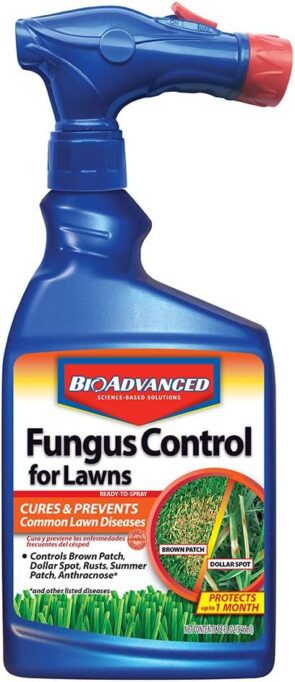
- Crown Rust: Appears as bright orange, powdery pustules on the leaves. Improve air circulation and apply Propiconazole or Myclobutanil.
- Brown Patch: Causes large, circular, water-soaked patches of dead grass. Avoid evening watering and use fungicides containing Azoxystrobin.
- Pythium Blight: Looks like greasy, matted, dark patches, often in low-lying wet areas. Improve drainage and apply Mefenoxam or Propamocarb.
- Leaf Spot: Causes small, dark purple or brown spots on the blades that can kill the whole leaf. Mow at the proper height and apply Chlorothalonil.
Seeding, Overseeding, and Renovation
Best Time to Seed
The absolute best time to seed Tall Oat-grass is in late summer to early fall. You want the soil temperature to be consistently between 50°F and 65°F. This allows the grass to establish a strong root system during the cool, moist autumn months before the stress of summer arrives.
Seeding Rates
For a brand-new lawn, use a seeding rate of 4 to 6 pounds per 1,000 square feet. If you are overseeding to thicken an existing, established stand of Tall Oat-grass, reduce the rate to 2 to 3 pounds per 1,000 square feet to avoid excessive competition among the seedlings.
Overseeding Process
- Mow the existing grass down to about 1.5 inches to allow seed-to-soil contact.
- Core aerate the lawn to open up the soil and remove plugs.
- Spread the seed evenly using a broadcast or drop spreader.
- Apply a light layer of compost or topdressing to help retain moisture.
- Water lightly every day for the first two weeks to keep the seedbed moist.
Germination Time
Under optimal moisture and temperature conditions, Tall Oat-grass seed will germinate and show its first green sprouts in 7 to 14 days. Keep the soil consistently moist during this window to ensure a high germination rate.
Maintenance Cost Breakdown for Tall Oat-grass
Initial Establishment Costs (First Year)
Starting a new Tall Oat-grass lawn requires an upfront investment in materials and soil preparation.
- Seed: Costs $15 to $25 per pound. Total seed cost for 1,000 sq ft is $60 to $150.
- Sod: Rarely sold as pure Tall Oat-grass sod, but mixed sod runs $0.40 to $0.70 per sq ft installed.
- Plugs: $80 to $120 per tray, covering about 50 sq ft.
- Soil Test: $15 to $30 for a DIY kit, or $50 to $100 for a professional lab service.
- Lime/Sulfur Amendments: $10 to $20 per 1,000 sq ft.
- Starter Fertilizer: $20 to $35 per bag.
- Tilling/Grading: $150 to $300 for DIY equipment rental, or $500 to $1,000 for professional grading.
- Equipment Starter Kit: A push mower ($250-$400), self-propelled mower ($400-$700), string trimmer ($100-$200), broadcast spreader ($40-$80), and oscillating sprinkler ($30-$60).
Annual Recurring Costs
| Expense | DIY Cost / year | Professional / year | Notes |
|---|---|---|---|
| Fertilizer | $40 – $80 | $150 – $250 | 2 to 3 applications |
| Pre-emergent Herbicide | $20 – $40 | Included | Spring and Fall apps |
| Post-emergent Herbicide | $15 – $30 | Included | Spot treatments |
| Insecticides | $20 – $40 | $75 – $120 | Grub and pest control |
| Fungicides | $25 – $50 | $100 – $200 | Preventative or curative |
| Water | $60 – $150 | N/A | Varies heavily by region |
| Overseeding | $20 – $40 | $100 – $150 | Fall touch-up |
| Aeration and Dethatching | $0 (Rental $75) | $150 – $250 | Annual fall service |
| Mower Maintenance | $50 – $100 | N/A | Blade sharpening, oil |
| Totals | $250 – $550 | $675 – $1,100 | Excludes weekly mowing |
Water Cost Estimate
Tall Oat-grass requires about 600 to 900 gallons of water per 1,000 square feet per week during peak summer. At a baseline municipal rate of $6 per 1,000 gallons, this translates to a monthly water cost of $15 to $22. Costs will peak in July and August. Because of its deep roots, Tall Oat-grass offers a 20% to 30% water savings compared to thirsty grasses like Kentucky bluegrass.
Equipment Costs and Lifespan
- Mower: A reliable rotary push or self-propelled mower costs $300 to $700 and lasts 8 to 10 years with proper maintenance.
- Trimmer/Edger: A gas or high-end battery string trimmer costs $100 to $250, with an expected lifespan of 5 to 7 years.
- Spreader: A durable broadcast spreader costs $40 to $100 and can last 10 or more years if cleaned after every use.
- Aerator: Renting a core aerator costs $75 to $100 per day. Purchasing a tow-behind or walk-behind unit costs $800 to $1,500.
Professional Lawn Care Service Costs
If you prefer to hire out the work, here is what you can expect to pay in 2026:
- Mowing only: $40 to $60 per visit, totaling $160 to $240 per month during the growing season.
- Fertilization and weed control program: $300 to $600 per year for 5 to 6 scheduled visits.
- Full-service lawn care: $250 to $450 per month, or $2,500 to $4,500 per year. This includes mowing, fertilizing, weed control, aeration, and seasonal cleanups.
- Aeration service: $100 to $175 per visit.
- Dethatching service: $150 to $250 per visit.
- Overseeding service: $120 to $180 per 1,000 square feet, including seed and labor.
Money-Saving Tips
- Sharpen your mower blades at least once a year; a dull blade tears grass, increasing water loss and disease risk.
- Use slow-release fertilizers to prevent nutrient burn and reduce the total number of applications needed.
- Install a smart irrigation controller that adjusts watering times based on local weather data to prevent overwatering.
- Leave grass clippings on the lawn (mulch mowing) to naturally return up to 25% of the lawn’s required nitrogen back to the soil.
- Spot-treat weeds with a spray bottle instead of broadcast spraying the entire lawn to save money on herbicides.
- Rent a core aerator with a neighbor to split the $80 daily rental fee in half.
- Test your soil before buying lime or extra fertilizer; you might be spending money on amendments your soil doesn’t actually need.
- Mow at the highest recommended height (3.5 inches) to naturally shade the soil, which reduces water evaporation and suppresses weed seeds.
Return on Investment
A well-maintained, healthy lawn can increase your overall property value by 5% to 10% by boosting curb appeal for potential buyers. When properly cared for, a Tall Oat-grass utility lawn or pasture has a longevity of 10 to 15 years before it requires a major, costly renovation or complete reseeding.
Seasonal Care Calendar
Spring
- March to April: When soil temperatures hit 50°F, apply a pre-emergent herbicide to stop crabgrass.
- April: Apply a light, half-rate application of slow-release nitrogen fertilizer.
- May: Begin regular mowing at 3 inches. Sharpen mower blades if you haven’t already.
Summer
- June to August: Raise the mowing height to 3.5 inches to shade the roots.
- July: Monitor for drought stress and water deeply only when footprinting occurs.
- August: Scout for grub damage and apply curative insecticides if necessary. Avoid all fertilizer applications.
Fall
- September: Core aerate the lawn and overseed any thin or bare areas.
- October: Apply the main annual fertilizer application to build root reserves for winter.
- November: Make the final mow of the year, gradually dropping the height to 2.5 inches.
Winter
- December to February: The grass is dormant. Keep foot traffic off the frozen turf to prevent crown damage.
- January: Clean, sharpen, and service your mower and trimmer. Order spring fertilizer and seed.
Tall Oat-grass vs Similar Grasses
| Attribute | Tall Oat-grass | Tall Fescue | Perennial Ryegrass |
|---|---|---|---|
| Shade Tolerance | Medium | High | Medium |
| Drought Tolerance | High | High | Medium |
| Maintenance Level | Low | Medium | High |
| Establishment Cost | Low | Medium | Medium |
| Water Needs | Low | Medium | High |
| Fertilizer Needs | Low | Medium | High |
| Best Use | Utility turf, pastures | Home lawns | Sports fields, quick lawns |
Frequently Asked Questions
Does Tall Oat-grass come back every year?
Yes, Tall Oat-grass is a cool-season perennial grass. It will come back every year from its established root system. During the extreme heat of mid-summer, it may go dormant and turn brown, but it will green up again when temperatures cool down in the fall.
Why is my Tall Oat-grass turning yellow or brown?
Yellowing or browning is usually caused by summer dormancy due to heat and drought stress. It can also indicate a nitrogen deficiency in the soil, or a fungal disease like crown rust. Check your watering habits and consider a soil test to rule out nutrient issues.
Can Tall Oat-grass grow in shade?
It tolerates partial shade reasonably well, but it struggles in deep, full shade. If your lawn receives less than four hours of direct sunlight daily, Tall Oat-grass will become thin and weak. In heavily shaded areas, a fine fescue or tall fescue is a much better choice.
How fast does Tall Oat-grass spread?
It does not spread horizontally at all. Because it is a bunchgrass, it lacks the above-ground stolons and below-ground rhizomes that creeping grasses use to spread. It only grows vertically and slowly widens its base clump over time.
Is Tall Oat-grass pet and dog friendly?
Yes, it is completely non-toxic and safe for pets and dogs. However, the coarse, wide leaf blades and the stiff, awned seedheads can be physically annoying for dogs to walk through, and the seedheads can occasionally get tangled in long fur.
How much does it cost to maintain a Tall Oat-grass lawn?
For a DIY homeowner, expect to spend between $250 and $550 per 1,000 square feet annually on water, fertilizer, and pest control. If you hire a professional for fertilization and weed control, the cost rises to $675 to $1,100 per 1,000 square feet, excluding weekly mowing services.
Is Tall Oat-grass more expensive to maintain than other common grasses?
No, it is generally cheaper to maintain. Its deep root system makes it highly drought-tolerant, reducing water bills. It also requires significantly less nitrogen fertilizer than high-maintenance grasses like Kentucky bluegrass or perennial ryegrass, lowering your annual material costs.
Conclusion
Achieving a healthy stand of Tall Oat-grass is all about understanding its natural growth habits and working with them rather than against them. Consistency beats intensity; sticking to a predictable routine using the seasonal calendar above will yield far better results than sporadic, heavy interventions. By mowing at the proper height, watering deeply but infrequently, and fertilizing primarily in the fall, you can maintain a resilient, green turf with minimal effort. If you encounter persistent pest infestations or fungal diseases that you cannot diagnose or control using this guide, do not hesitate to contact a local lawn care professional for an accurate assessment and targeted treatment plan.