Integrated Pest Management for Lawns: The Ultimate Homeowner’s Handbook
Introduction and Overview
A lush, green lawn is the pride of any homeowner, but pesky invaders can quickly turn your dream yard into a frustrating nightmare. Relying solely on harsh chemical sprays is no longer the best approach for modern turf care. Instead, Integrated Pest Management for Lawns offers a smarter, more sustainable path to a beautiful landscape. This comprehensive strategy focuses on long-term prevention and minimal environmental impact. This guide is designed for dedicated homeowners, DIY lawn enthusiasts, and property managers who want to protect their turf without harming the ecosystem. You will learn how to identify pest threats early, understand the root causes of infestations, and implement a step-by-step prevention plan. We will also cover realistic costs, seasonal timing, and when to call in the experts. By mastering Integrated Pest Management for Lawns, you can achieve a resilient, vibrant yard that thrives year after year.
Key Takeaways
| Topic | Key Point |
|---|---|
| Definition of IPM | A holistic, science-based approach combining biological, cultural, and chemical tools to manage lawn pests sustainably. |
| Regular Monitoring | Inspecting your lawn weekly is the most critical step to catch pest issues before they cause widespread damage. |
| Action Thresholds | Treatment should only occur when pest populations exceed a specific, measurable limit that threatens lawn health. |
| Cultural Controls | Proper mowing, watering, and aeration build strong grass that naturally resists pest invasions. |
| Biological Controls | Using beneficial organisms, like nematodes, targets pests effectively without harming pets or pollinators. |
| Targeted Chemical Use | Synthetic pesticides are a last resort, applied only to specific infested areas rather than the entire property. |
| Cost Efficiency | Proactive IPM strategies reduce long-term expenses by preventing severe damage that requires costly lawn renovation. |
| Seasonal Timing | Aligning treatments with soil temperatures and pest life cycles maximizes effectiveness and minimizes product waste. |
Understanding Integrated Pest Management for Lawns
Integrated Pest Management for Lawns is not a single product or a one-time treatment. It is a comprehensive, science-based decision-making process. The goal is to manage pest damage at the most economical level while posing the least possible hazard to people, property, and the environment. Traditional lawn care often relies on a “calendar-based” spraying schedule. In contrast, IPM relies on observation, identification, and targeted intervention.The foundation of this approach rests on four key pillars. First is prevention, which involves creating an environment where pests struggle to survive. This means fostering healthy soil and strong turfgrass. Second is monitoring, which requires regular scouting to identify pests accurately and assess their population levels. Third is intervention, where you choose the most effective, least risky control method only when necessary. Finally, evaluation ensures you review the results of your actions to improve future strategies.From a turfgrass science perspective, a healthy lawn is its own best defense. Grass plants with deep, robust root systems can withstand minor insect feeding without showing visible stress. When you prioritize soil microbiome health through proper pH balancing and organic matter, you encourage beneficial organisms. These helpful microbes and insects outcompete or prey upon harmful pests. By embracing Integrated Pest Management for Lawns, you shift from fighting nature to working with it, resulting in a safer, more resilient landscape.
Signs, Symptoms, or Key Types
Identifying the problem accurately is the cornerstone of effective management. Different pests leave distinct, measurable clues. Recognizing these visual signs prevents misdiagnosis and unnecessary treatments.
Grub Damage
White grubs are the larvae of various beetle species, such as Japanese beetles or June bugs. They feed on grass roots just below the soil surface. The primary visual symptom is turf that feels spongy underfoot and can be rolled back like a carpet because the roots are severed. You will see irregular, expanding patches of dead, brown grass, often starting in late summer. If you dig up a 1-square-foot section of affected turf, you will find C-shaped, creamy white larvae with brown heads. These larvae typically measure between 0.5 and 1 inch in length. The economic threshold for treatment is generally 5 to 10 grubs per square foot.
Chinch Bug Infestation
Chinch bugs are tiny, sap-sucking insects that thrive in hot, sunny, and dry conditions. They inject a toxin into the grass while feeding, causing the blades to yellow and eventually die. The damage typically appears as irregular, yellowing patches that gradually turn straw-brown. These patches often expand outward from a central point, frequently starting near driveways or sidewalks where heat reflects. Adult chinch bugs are very small, measuring only about 0.2 inches (1/5 inch) long. They have black bodies with distinctive white markings on their wings. A simple flotation test using soapy water can confirm their presence.
Armyworm and Sod Webworm Damage
Both of these pests are caterpillars that chew on grass blades, but they leave different diagnostic cues. Armyworms move in large groups and can strip a lawn bare overnight, leaving behind irregular brown patches and notched, ragged grass blades. Sod webworms, on the other hand, are smaller and feed at night. They pull grass blades into the thatch layer to create silken tunnels or webs. During the day, you might notice small, brown patches of closely cropped grass. If you part the thatch, you will see small, grayish or greenish caterpillars with dark spots, usually measuring 0.5 to 0.75 inches long.
Mole and Vole Activity
While not insects, these burrowing mammals cause significant secondary damage to lawns. Moles create raised, volcano-like mounds of soil and deep, ridged surface tunnels as they hunt for earthworms and grubs. Their tunneling disrupts grass roots, causing the turf to dry out and die. Voles, or meadow mice, create narrow, shallow surface runways about 1 to 2 inches wide through the grass. Unlike moles, voles are herbivores. They actively chew on grass stems and roots, especially under snow cover during winter, leaving behind patchy, chewed-down areas when the snow melts.
Causes and Contributing Factors
Pests do not appear randomly. Specific environmental, biological, and management factors create the perfect storm for infestations. Understanding these triggers allows you to disrupt the pest life cycle proactively.
Environmental Stressors
Extreme weather conditions severely weaken turfgrass, making it highly susceptible to pest attacks. Prolonged drought stresses the plant, reducing its ability to produce natural defensive compounds. Conversely, excessive heat, particularly when temperatures consistently exceed 90°F, slows grass growth and recovery. Heavy, prolonged rainfall can saturate the soil, drowning roots and creating humid conditions that attract egg-laying insects. Stressed grass cannot outgrow minor pest damage, turning a small problem into a visible crisis.
Improper Lawn Maintenance
How you care for your lawn directly dictates its vulnerability. Mowing too short, known as scalping, removes too much of the grass blade. This shocks the plant, reduces its photosynthetic capacity, and exposes the soil surface to intense heat. Overwatering is another major culprit. Applying more than 1.5 inches of water per week keeps the soil constantly wet. This not only promotes fungal diseases but also creates an ideal, moist environment for pests like chinch bugs and fungus gnats to thrive and reproduce rapidly.
Thatch Buildup
Thatch is a layer of dead grass stems, roots, and debris that accumulates between the soil surface and the green vegetation. A thin layer (under 0.5 inches) is beneficial, but excessive thatch acts as a protective fortress for pests. A thatch layer thicker than 0.5 inches provides a perfect hiding, breeding, and overwintering ground for insects like sod webworms and chinch bugs. It also prevents water, fertilizer, and pest control products from reaching the soil where they are actually needed.
Poor Soil Health
Healthy grass starts in the soil. Compacted soil restricts root growth and limits oxygen availability. Furthermore, if your soil pH falls outside the optimal range of 6.0 to 7.0, the grass cannot efficiently absorb essential nutrients like nitrogen, phosphorus, and potassium. Nutrient-deficient grass grows slowly and remains thin. This weak, sparse turf is easily invaded by weeds and provides little resistance to insect feeding, inviting persistent pest problems year after year.
Step-by-Step Solution or Prevention Plan
Implementing a successful strategy requires consistent, measurable actions. Follow these actionable steps to build a resilient lawn and manage pests effectively.
- Monitor and Identify Weekly
Inspect your lawn at least once a week during the growing season. Walk the yard and look for discoloration or thinning. To check for surface insects, mix 2 tablespoons of liquid dish soap with 1 gallon of water and pour it over a 1-square-foot area of suspicious turf. Wait 10 minutes. If chinch bugs or webworms are present, they will float to the surface. Accurate identification prevents wasted effort. - Establish and Respect Action Thresholds
Do not treat at the first sign of a bug. Decide on a measurable threshold before acting. For white grubs, the widely accepted threshold is 5 to 10 grubs per square foot. For chinch bugs, it is 20 to 25 bugs per square foot. If your scouting reveals populations below these numbers, the grass can easily outgrow the damage without chemical intervention. - Optimize Mowing Height
Maintain your mower deck at the correct height to promote deep roots and shade the soil. For cool-season grasses like Kentucky bluegrass or fescue, set the height to 3 to 4 inches. For warm-season grasses like Bermuda or Zoysia, maintain 2 to 3 inches. Never remove more than one-third of the grass blade in a single mowing session to avoid shocking the plant. - Water Deeply and Infrequently
Apply 1 to 1.5 inches of water per week, including rainfall. Use a rain gauge or empty tuna cans to measure output. Water early in the morning, ideally between 4:00 AM and 8:00 AM. This timing allows the water to soak deeply into the root zone before the sun causes evaporation, and it ensures the grass blades dry quickly, reducing fungal and pest attraction. - Aerate and Dethatch Annually
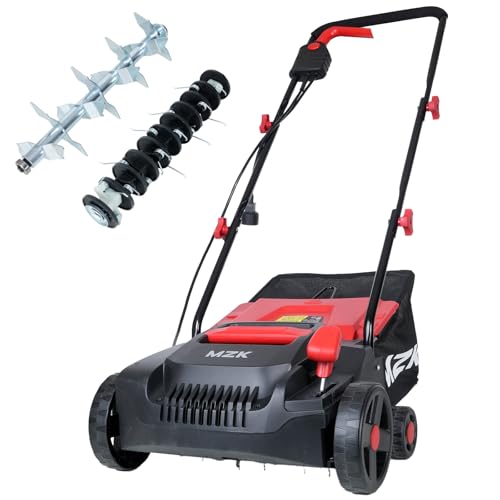
Relieve soil compaction and break down organic buildup. Core aerate your lawn when soil temperatures reach 55°F to 65°F, which typically aligns with early fall for cool-season grass. If your thatch layer exceeds 0.5 inches, use a power dethatcher to remove the debris. This exposes pest hiding spots and allows treatments to penetrate the soil effectively. - Apply Targeted Biological Controls
Introduce beneficial organisms to combat pests naturally. For grub control, apply beneficial nematodes (Heterorhabditis bacteriophora). Mix and apply them according to the package instructions, typically at a rate of 1 billion nematodes per 1,000 square feet. Apply them in the early evening to moist soil, as UV light and dryness will kill them. They actively seek out and destroy pest larvae. - Use Selective Chemical Treatments as a Last Resort
If pest populations exceed your action thresholds, apply a targeted insecticide. Choose products with active ingredients like chlorantraniliprole, which specifically target insect muscle function with low toxicity to mammals. Apply the product precisely to the affected areas using a calibrated sprayer. Avoid broadcasting chemicals across the entire lawn, as this wastes money and harms beneficial insects. - Evaluate and Record Your Results
Keep a dedicated lawn care journal. Record the date of pest sightings, the specific pest identified, the treatment applied, the weather conditions, and the results after two weeks. This historical data is invaluable. It helps you refine your strategy, anticipate future outbreaks, and prove the effectiveness of your Integrated Pest Management for Lawns approach over time.
Recommended Products and Tools
Having the right equipment and products ensures your efforts are effective and efficient. Below are the essential categories for a successful program.
Equipment
- Soil Probe or Hand Trowel: Essential for extracting soil cores to check for grubs and assess soil moisture. ($15 – $30)
- Push or Tow-Behind Core Aerator: Necessary for relieving soil compaction and improving water infiltration. ($80 – $250)
- Broadcast or Drop Spreader: Required for the even application of granular pest controls, fertilizers, or nematode carriers. ($40 – $120)
- Pump Sprayer: A 1- to 2-gallon capacity sprayer for applying liquid insecticides or soap flushes accurately. ($25 – $60)
Chemical Products or Fertilizers
- Synthetic Grub Control: Products containing chlorantraniliprole or imidacloprid. These provide reliable, long-lasting control when applied preventatively. ($40 – $70 per 10,000 sq ft)
- Insecticidal Soap: A contact killer for soft-bodied surface pests like chinch bugs and aphids. It breaks down quickly and has minimal residual impact. ($15 – $25 per quart)
- Granular Insecticide: Quick-kill options containing bifenthrin or carbaryl for severe, active infestations requiring immediate knockdown. ($30 – $50 per 10,000 sq ft)
Organic or Natural Alternatives
- Beneficial Nematodes: Live microscopic worms that hunt and kill soil-dwelling pests like grubs and flea larvae. Highly effective and completely safe for pets. ($25 – $50 per 1,000 sq ft)
- Diatomaceous Earth (Food Grade): A fine powder that damages the exoskeletons of crawling insects. Best used in dry conditions around the perimeter of the lawn. ($15 – $30 for 5 lbs)
- Neem Oil Concentrate: A natural botanical extract that disrupts the feeding and reproductive cycles of various lawn insects. ($20 – $40 per quart)
Cost Breakdown
Understanding the financial investment helps you plan your lawn care budget effectively. The following table outlines typical costs for a 5,000-square-foot lawn in 2026.
| Item / Service | DIY Cost | Professional Cost | Notes |
|---|---|---|---|
| Soil Testing | $15 – $30 | $50 – $75 | Essential for determining pH and nutrient needs. |
| Core Aeration | $40 – $80 (equipment rental) | $100 – $150 | Best performed annually in the fall. |
| Dethatching | $50 – $100 (equipment rental) | $150 – $250 | Only needed if thatch exceeds 0.5 inches. |
| Beneficial Nematodes | $25 – $50 | $150 – $200 (application included) | Requires careful handling and immediate application. |
| Synthetic Insecticide | $20 – $40 | $100 – $175 (application included) | Cost varies based on active ingredient and coverage. |
| Professional IPM Inspection | N/A | $75 – $125 | Includes scouting, identification, and a custom action plan. |
| Professional Pest Treatment | N/A | $150 – $300 per visit | Targeted application based on inspection findings. |
| Annual Maintenance Total | $150 – $300 | $625 – $1,200 | Totals represent a proactive, full-season IPM approach. |
Common Mistakes to Avoid
Even well-intentioned homeowners can undermine their efforts. Avoid these common pitfalls to ensure your strategy succeeds.
- Spraying Preventatively Without Scouting: Applying broad-spectrum insecticides “just in case” wastes money and kills beneficial predators like ladybugs and earthworms. Instead, scout your lawn first and only treat when specific action thresholds are met.
- Mowing Too Short: Scalping the lawn stresses the grass and exposes the soil to extreme heat, inviting pests. Instead, maintain a consistent mowing height of 3 to 4 inches for cool-season grasses to promote deep, resilient roots.
- Overwatering the Lawn: Frequent, shallow watering creates a humid, moist environment that attracts egg-laying insects and promotes fungal diseases. Instead, water deeply and infrequently, providing 1 to 1.5 inches of water per week.
- Ignoring Thatch Buildup: Allowing thatch to accumulate provides a safe haven for pests to hide from predators and treatments. Instead, test your thatch depth annually and dethatch if the layer exceeds 0.5 inches.
- Applying Chemicals in High Heat: Spraying insecticides when temperatures exceed 85°F causes rapid evaporation, reducing effectiveness and increasing the risk of turf burn. Instead, apply treatments early in the morning or late in the evening when it is cooler.
- Using the Wrong Product for the Pest: Treating a fungal disease with an insecticide, or vice versa, is completely ineffective and wasteful. Instead, accurately identify the specific pest or problem before purchasing any control product.
- Neglecting Soil Health: Focusing only on the leaves while ignoring the soil results in weak, nutrient-deficient grass that easily succumbs to pests. Instead, test your soil pH annually and amend it with lime or sulfur to maintain an optimal 6.0 to 7.0 range.
Seasonal Timing and Best Practices
Timing is everything in Integrated Pest Management for Lawns. Aligning your actions with the biological clocks of pests and the growth cycles of grass maximizes your success rate.
Spring
As soil temperatures consistently reach 50°F to 65°F, grass begins to green up, and pests become active. This is the ideal time to apply a pre-emergent herbicide to prevent weed seeds from germinating. Begin weekly scouting for early signs of chinch bugs or billbug adults. If you have a history of grub problems, late spring is the window for preventative grub control applications before adult beetles lay their eggs.
Summer
Summer is a high-stress period for lawns, particularly during heatwaves. Focus heavily on cultural controls. Ensure your lawn receives 1 to 1.5 inches of water per week. Monitor closely for chinch bug damage in sunny areas and armyworm outbreaks after heavy rains. Avoid heavy chemical applications if temperatures are above 85°F, as this can damage the turf. If intervention is necessary, opt for evening applications of insecticidal soaps or targeted biological controls.
Fall
Fall is the most critical season for long-term lawn health. When soil temperatures drop to 55°F to 70°F, it is the absolute best time for curative grub treatments, as the larvae are large, feeding near the surface, and highly vulnerable. This is also the prime window for core aeration, dethatching, and overseeding. Strengthening the grass now ensures it can withstand winter dormancy and spring pest pressures.
Winter
During winter, the lawn is largely dormant, and pest activity is minimal. However, this is the time to plan. Review your lawn care journal from the previous year. Clean, calibrate, and store your equipment properly. In regions with heavy snow, monitor for vole activity, as they often tunnel and feed on grass roots just beneath the snowpack. Plan your spring soil testing and product purchases during this quiet period.
When to Call a Professional
While DIY Integrated Pest Management for Lawns is highly effective for minor issues, some situations require expert intervention. You should consider hiring a professional if more than 30% of your lawn is damaged, if you have persistent pest infestations that return despite multiple DIY treatments, or if you simply lack the time, physical ability, or specialized equipment to manage the property properly.Professional lawn care services typically charge between $150 and $400 per targeted treatment visit. For a comprehensive, year-round IPM program that includes regular scouting, soil testing, and seasonal treatments, expect to invest between $600 and $1,200 annually, depending on your lawn size and region.Before hiring a company, ask these critical questions to ensure they align with your goals:
- Are you fully licensed, bonded, and insured to apply pesticides in this state?
- Do you strictly follow Integrated Pest Management principles, including scouting and threshold-based treatments, rather than blanket calendar spraying?
- What specific active ingredients will you use, and are they certified safe for pets and children once dried?
- Can you provide a written guarantee or warranty for the pest control services rendered?
Frequently Asked Questions
What is the first step in Integrated Pest Management for Lawns?
The absolute first step is regular monitoring and accurate identification. You cannot effectively manage a problem you do not understand. Before purchasing any product, walk your lawn weekly to look for unusual discoloration, thinning, or insect activity. Use tools like a soil probe or a soapy water flush to confirm exactly which pest is present. Identifying the specific insect ensures you choose the correct, most effective control method, saving you time and money.
How often should I inspect my lawn for pests?
During the active growing season, which typically spans from spring through early fall, you should inspect your lawn at least once a week. Take a brief, 10-minute walk around your property. Pay special attention to high-risk areas, such as sunny spots near driveways (for chinch bugs) or areas with a history of grub damage. Early detection is the cornerstone of this strategy, allowing you to address small issues before they escalate into widespread, costly lawn damage.
Are beneficial nematodes safe for pets and children?
Yes, beneficial nematodes are completely safe for pets, children, and wildlife. They are microscopic, naturally occurring organisms that specifically target and infect soil-dwelling insect larvae, such as white grubs and flea larvae. They do not bite, sting, or harm mammals, birds, or earthworms. Once applied to moist soil, they actively seek out their insect hosts, reproduce, and eventually break down naturally in the environment, leaving no toxic residue behind.
Can overwatering really cause more pest problems?
Absolutely. Overwatering is one of the leading causes of pest infestations. When soil remains constantly saturated, it deprives grass roots of essential oxygen, weakening the plant. Furthermore, a moist, humid environment at the soil level is the perfect breeding ground for many destructive insects, including chinch bugs, fungus gnats, and certain fungal diseases. Watering deeply but infrequently encourages deep root growth and keeps the surface drier, making the lawn less hospitable to pests.
What is the action threshold for treating white grubs?
The generally accepted action threshold for treating white grubs is finding 5 to 10 grubs per square foot of turf. To check this, use a spade to cut a 1-foot by 1-foot square of grass about 2 to 3 inches deep and peel it back. Count the C-shaped, white larvae in the soil. If you find fewer than 5, your healthy grass can easily tolerate the feeding without visible damage, and treatment is unnecessary. If you find more than 10, immediate intervention is recommended.
How long does it take to see results from organic pest control?
Organic pest control methods, such as beneficial nematodes or insecticidal soaps, generally take longer to show visible results compared to synthetic chemicals. Insecticidal soaps work on contact, so you may see a reduction in surface pests within 24 to 48 hours. However, biological controls like nematodes require time to locate, infect, and kill the host larvae. You can typically expect to see a significant reduction in pest damage and population levels within 7 to 14 days after proper application.
Does Integrated Pest Management for Lawns eliminate the need for all chemical pesticides?
Not necessarily, but it drastically reduces their use. The primary goal of this approach is to minimize reliance on synthetic chemicals by prioritizing prevention, cultural practices, and biological controls. However, in cases of severe, sudden infestations that exceed action thresholds and threaten to destroy the lawn, a targeted, selective chemical pesticide may be used as a last resort. The key difference is that chemicals are used strategically and sparingly, rather than as a routine, calendar-based blanket application.
Conclusion
Achieving a beautiful, resilient yard does not require a constant barrage of harsh chemicals. Integrated Pest Management for Lawns provides a smarter, more sustainable framework for homeowners. By focusing on regular monitoring, establishing clear action thresholds, and prioritizing cultural practices like proper mowing and deep watering, you build a lawn that naturally defends itself. Remember that timing is critical. Aligning your interventions with the specific life cycles of pests and the seasonal growth patterns of your grass ensures maximum effectiveness. Whether you choose to implement these strategies yourself or partner with a knowledgeable professional, the principles of observation, prevention, and targeted action remain the same. Bookmark this guide to reference throughout the year, and share it with fellow lawn enthusiasts to help cultivate healthier, more vibrant neighborhoods everywhere.