Growing Green Couch: Everything You Need to Know
Introduction and Overview
Achieving a lush, durable lawn in warm, coastal climates can be a challenge, but Green Couch (Digitaria didactyla) offers a resilient and beautiful solution. Native to Africa and naturalized in warm regions worldwide, this warm-season perennial grass thrives in the frost-free or mild-winter areas of the United States, particularly in USDA Zones 9 through 11. Homeowners in South Florida, coastal Southern California, Hawaii, and the Gulf Coast frequently choose it for its exceptional wear tolerance and vibrant color.Unlike many other warm-season grasses that struggle in lower light, Green Couch boasts impressive shade tolerance while maintaining its vigorous growth habit. It spreads aggressively through both above-ground stolons and underground rhizomes, allowing it to recover quickly from damage. While it is highly valued for home lawns, parks, and sports fields, it also serves as an excellent erosion-control grass on sunny or partially shaded slopes.
Quick Facts
| Attribute | Detail |
|---|---|
| Scientific Name | Digitaria didactyla |
| Climate Type | Warm-season |
| USDA Hardiness Zones | 9 through 11 |
| Sunlight Needs | Full Sun to Partial Shade |
| Traffic Tolerance | High |
| Growth Habit | Stolon and Rhizome |
| Maintenance Level | Medium |
| Estimated Annual Cost per 1,000 sq ft | $60 – $95 |
How to Identify Green Couch
Identifying Green Couch is straightforward once you observe its distinct spreading habit and unique seedheads. The leaf color is a vibrant, light to bright green, which stands out beautifully against darker landscape elements. The blade width is relatively narrow, typically measuring between 2 and 5 millimeters across, giving the turf a fine-to-medium texture.The leaf tip is sharply pointed, and the blades often have a slightly folded or keeled appearance near the base. The ligule is a short, membranous ring, while the auricles are completely absent. Its growth habit is highly stoloniferous and rhizomatous, meaning it forms a dense, interwoven mat that spreads rapidly outward.During the warmer months, it produces a very recognizable seedhead. Instead of a single central spike, it produces 3 to 6 finger-like spikes (called digits) that radiate from a single point at the top of the stem, which is why it is often called Finger Grass.
Pros and Cons of Green Couch
Advantages
- Exceptional Wear Recovery: Its aggressive stolon and rhizome growth allow it to bounce back quickly from heavy foot traffic and physical damage.
- Superior Shade Tolerance: It handles partial shade much better than Bermudagrass, making it ideal for yards with scattered trees.
- High Drought Tolerance: Once established, its deep root system allows it to survive extended dry periods with minimal supplemental water.
- Salt and Heat Tolerance: It thrives in hot, humid coastal environments and handles moderate soil salinity better than many other turfgrasses.
- Soft Texture: The fine-to-medium leaf blades create a soft, comfortable surface for bare feet.
Drawbacks
- Winter Dormancy: Like most warm-season grasses, it turns brown and goes dormant during the winter months in cooler zones.
- Thatch Buildup: The aggressive horizontal growth can lead to a thick thatch layer if not properly maintained and aerated.
- Invasive Edges: The spreading stolons can easily creep into adjacent flower beds and garden borders if not properly edged.
- Limited Cold Hardiness: It will suffer severe damage or die if exposed to prolonged freezing temperatures, restricting it to warm climates.
Mowing and Trimming Guidelines
Ideal Mowing Height
For a healthy, dense lawn, maintain Green Couch at an ideal mowing height of 1 to 2 inches. Keeping it at the lower end of this range (1 to 1.5 inches) encourages lateral spreading and a carpet-like density. Always follow the one-third rule: never remove more than one-third of the grass blade in a single mowing session to prevent scalping and stress.
Mowing Frequency
During the peak growing season in the heat of summer, Green Couch grows rapidly and requires mowing every 5 to 7 days. During the shoulder seasons of late spring and early fall, mowing every 10 to 14 days is usually sufficient. In the winter, when the grass is dormant and brown, mowing is rarely necessary unless you are managing winter weeds.
Best Mower Type
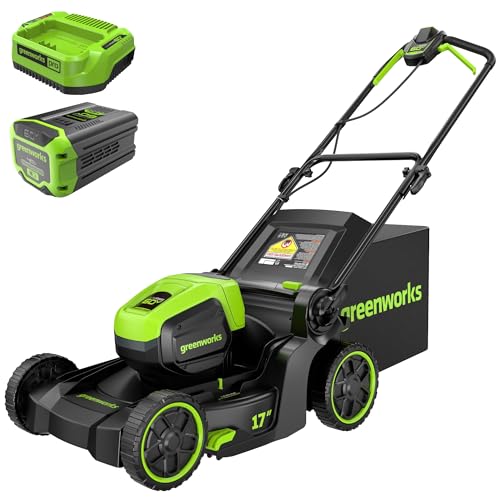
A high-quality rotary mower is the most practical choice for most homeowners, as it easily handles the thick, mat-like growth and occasional uneven terrain. However, if you desire a golf-course-like finish and are willing to maintain the equipment, a reel mower set to 1 inch will provide the cleanest cut. Reel mowers are excellent for Green Couch but require frequent blade sharpening to prevent tearing the stolons.
Trimmer and Edger Recommendations
When trimming along walkways and driveways, use a string trimmer equipped with a 0.080-inch to 0.095-inch thick string line. Green Couch stolons are tough and fibrous; a thin 0.065-inch line will fray and break quickly. A slightly thicker line ensures a clean cut through the dense runners without stalling the trimmer head.
Watering Schedule and Moisture Management
Establishment vs Established Watering
During the establishment phase (the first 4 to 6 weeks after laying sod or planting plugs), water lightly every day to keep the top inch of soil consistently moist. Once established, Green Couch requires only about 1 inch of water per week, including natural rainfall, to maintain its vibrant green color and active growth.
Frequency and Duration
It is best to apply the 1 inch of water in one or two deep watering sessions per week rather than frequent, light sprinklings. For a standard rotary sprinkler head with a flow rate of 1.5 gallons per minute (GPM), you will need to run the system for approximately 25 to 35 minutes per zone to deliver the correct amount of water to 1,000 square feet.
Best Time of Day
Always water in the early morning, ideally between 5:00 AM and 8:00 AM. This timing minimizes water loss due to evaporation in the hot sun and allows the grass blades to dry quickly as the day warms up. Dry foliage is critical for preventing the fungal diseases that thrive in warm, humid climates.
Drought Response and Signs of Underwatering
While highly drought-tolerant, Green Couch will eventually show stress if deprived of water. Watch for these visual cues to know when it is time to water:
- Footprinting: The grass blades remain flattened and do not spring back after you walk across the lawn.
- Silvery-Gray Tint: The vibrant green color fades to a dull, silvery-gray or bluish hue.
- Leaf Folding: The narrow blades begin to fold inward lengthwise to reduce surface area and conserve moisture.
Fertilization and Soil Health
Soil pH Range
Green Couch performs best in slightly acidic soils. The ideal soil pH range is between 5.5 and 7.0. If your soil pH drops below 5.5, the grass will struggle to absorb essential nutrients, leading to stunted growth and yellowing leaves.
Recommended NPK Ratios and Product Types
Use a high-quality, slow-release granular fertilizer with an NPK ratio of 16-4-8 or 15-0-15 during the active growing season. To correct minor nutrient deficiencies and enhance the green color without promoting excessive vertical growth, apply a liquid iron supplement. Organic options like compost top-dressing improve soil health over time, while synthetic blends provide immediate, predictable nutrient delivery.
Annual Fertilizing Schedule
Because it is a warm-season grass, fertilize only during its active growth period. Apply the first round in late spring (May) when the grass has fully greened up and soil temperatures are consistently above 65°F. Apply subsequent feedings in June and July. Make the final application in early September to help the plant store energy before winter dormancy. Never fertilize in the winter.
Aeration and Dethatching
Green Couch is prone to thatch buildup due to its aggressive stolon growth. If the thatch layer exceeds 0.5 inches, it will block water and fertilizer from reaching the soil. Use a power rake or vertical mower to dethatch in late spring or early summer. Additionally, use a core plug aerator once a year in early summer to relieve soil compaction and improve root oxygenation.
Weed Control for Green Couch
Common Weeds
The dense mat of Green Couch chokes out many weeds, but a few stubborn invaders can still take hold. The top 5 weeds that commonly invade Green Couch lawns are:
- Crabgrass
- Doveweed
- Purslane
- Yellow Nutsedge
- Spurge
Pre-Emergent Herbicides
To prevent annual grassy weeds like crabgrass, apply a pre-emergent when the soil temperature reaches 55°F in early spring. Effective active ingredients include Prodiamine or Dithiopyr. These create a chemical barrier in the soil that stops weed seeds from germinating without harming the established Green Couch.
Post-Emergent Herbicides Safe for Green Couch
CRITICAL WARNING: Green Couch (Digitaria didactyla) is closely related to crabgrass (Digitaria sanguinalis). Herbicides containing quinclorac, fenoxaprop, or sethoxydim will severely damage or kill your Green Couch. For broadleaf weeds, use selective herbicides containing Atrazine, 2,4-D (at low rates), or Dicamba. For nutsedge, use Sulfentrazone or Halosulfuron. Always read the label to ensure the product explicitly lists Digitaria didactyla as safe.
Common Pests and Diseases
Top Pests
Warm, humid climates attract several turf-destroying insects. The top pests to watch for include:
- Armyworms and Sod Webworms: Chew the grass blades down to the crown, leaving brown, ragged patches. Treat with Bacillus thuringiensis (Bt) or synthetic pyrethroids like bifenthrin.
- Chinch Bugs: Suck plant juices and inject toxins, causing irregular yellow and dead patches, especially in full sun. Use insecticidal soaps or imidacloprid.
- White Grubs: Feed on the roots, causing the turf to peel back like carpet. Apply beneficial nematodes biologically, or use chlorantraniliprole chemically.
- Mole Crickets: Tunnel through the soil, lifting the roots and causing the grass to die. Treat with targeted baits or liquid insecticides in early summer.
Top Diseases
High heat and humidity can trigger fungal issues if the lawn is stressed or overwatered.
- Dollar Spot: Creates small, silver-dollar-sized bleached patches. Treat with Azoxystrobin or Propiconazole fungicides and ensure adequate nitrogen.
- Brown Patch (Rhizoctonia): Causes large, circular, water-soaked brown patches, often with a “smoke ring” border. Improve drainage, avoid evening watering, and apply Propiconazole.
- Leaf Spot and Melting Out: Causes dark brown or purple spots on the blades that eventually kill the leaf. Mow regularly to remove infected tissue and apply Mancozeb or Chlorothalonil.
- Rust: Leaves a powdery orange residue on the blades and shoes. Improve air circulation, reduce shade, and apply a preventative fungicide if severe.
Seeding, Overseeding, and Renovation
Best Time to Seed
If you are planting Green Couch from seed, the best time is in late spring to early summer. Wait until the soil temperature is consistently between 65°F and 75°F. This ensures the warm soil will trigger rapid germination and allow the young plants to establish before the peak heat of late summer.
Seeding Rates
It is important to note that Green Couch seed is notoriously difficult to find in the US and has a low germination rate. Most US homeowners establish it via sod or plugs. However, if you are using certified seed, apply 2 to 3 pounds per 1,000 square feet for a new lawn. For overseeding, reduce the rate to 1 to 1.5 pounds per 1,000 square feet.
Overseeding Process
Because seed is rare, “overseeding” usually means planting plugs or laying sod patches. If using seed or sprigs:
- Prepare the Soil: Scalp the existing lawn and lightly rake the soil to expose the dirt.
- Spread the Material: Broadcast the seed or plant sprigs/plugs evenly across the prepared area.
- Cover Lightly: Drag a mat or apply a very thin (1/8 inch) layer of topdressing sand to protect the seed.
- Water Frequently: Keep the top inch of soil moist with light, daily watering until the plants are firmly rooted.
- Protect the Area: Keep foot traffic off the newly planted area for at least 4 to 6 weeks.
Germination Time
If you are using viable, certified seed, expect a germination time of 14 to 28 days. Because the seed is small and the plants grow slowly at first, patience and consistent moisture are absolutely critical during this window.
Maintenance Cost Breakdown for Green Couch
Initial Establishment Costs (First Year)
Starting a new Green Couch lawn requires a solid initial investment. Seed cost is high due to low availability, ranging from $40 to $60 per pound. Sod is the most common method, costing $0.60 to $0.90 per square foot installed. Plugs cost about $30 to $50 per 50-plug tray (covering roughly 50 sq ft). A professional soil test kit costs $15 to $25. Lime or sulfur amendments run $15 to $30 per bag. A high-quality starter fertilizer is $20 to $30. If you need to prep the soil, tilling and grading costs $50 to $100 for DIY tool rental, or $300 to $500 for professional service.For equipment, a basic push mower is $200 to $400, while a self-propelled rotary mower is $400 to $700. A reliable string trimmer costs $80 to $150, a broadcast spreader is $40 to $80, and an oscillating sprinkler is $30 to $60.
Annual Recurring Costs
| Expense | DIY Cost / year | Professional / year | Notes |
|---|---|---|---|
| Fertilizer | $30 – $55 | $180 – $280 | Includes spring, summer, and fall feeds. |
| Pre-emergent Herbicide | $15 – $25 | $60 – $90 | Applied in early spring and fall. |
| Post-emergent Herbicide | $20 – $40 | $80 – $130 | Atrazine and nutsedge control. |
| Insecticides | $15 – $25 | $60 – $110 | Grub and chinch bug treatments. |
| Fungicides | $20 – $35 | $90 – $160 | Preventative and curative applications. |
| Water | $100 – $160 | $100 – $160 | Based on municipal rates and summer needs. |
| Overseeding (Sod/Plugs) | $30 – $80 | $150 – $250 | Patching bare spots every 2-3 years. |
| Aeration and Dethatching | $70 – $110 | $120 – $180 | Core aeration and power raking. |
| Mower Maintenance | $25 – $50 | $0 | Blade sharpening, oil, and air filter. |
| Totals | $325 – $580 | $840 – $1,360 | Varies heavily by lawn size and region. |
Water Cost Estimate
Applying 1 inch of water to 1,000 square feet requires about 625 gallons of water. At a baseline US municipal rate of $6 per 1,000 gallons, watering costs roughly $3.75 per 1,000 gallons. During the peak of summer, requiring 4 inches of supplemental water, expect a monthly cost of about $15 to $18 per 1,000 square feet. Because Green Couch is highly drought-tolerant, it offers a 20% to 30% water savings compared to thirsty warm-season grasses like St. Augustine.
Equipment Costs and Lifespan
- Mower: Recommended type is a 21-inch rotary with high wheels. Purchase range: $350 – $650. Expected lifespan: 8 – 10 years.
- Trimmer/Edger: Gas or high-voltage electric string trimmer. Purchase range: $120 – $220. Expected lifespan: 5 – 7 years.
- Spreader: Rotary broadcast spreader. Purchase range: $50 – $100. Expected lifespan: 10+ years.
- Aerator: Manual core aerator or rental. Rental cost: $60 – $90 per day. Purchase cost for manual tool: $40 – $80.
Professional Lawn Care Service Costs
If you prefer to hire out the work, expect to pay the following market rates for 2026:
- Mowing only: $40 to $60 per visit, totaling $160 to $240 per month during the growing season.
- Fertilization and weed control program: $350 to $550 per year for 5 to 7 scheduled visits.
- Full-service lawn care: $160 to $260 per month (or $1,600 to $2,600 per year). Includes mowing, edging, blowing, fertilizing, and weed control.
- Aeration service: $80 to $120 per visit (per 1,000 sq ft).
- Dethatching service: $100 to $150 per visit.
- Overseeding/Sodding service: $150 to $250 per 1,000 square feet, including materials and labor.
Money-Saving Tips
- Mow at the correct height (1.5 inches) to encourage dense lateral growth that naturally chokes out weeds, reducing herbicide costs.
- Use a mulching mower deck to leave clippings on the lawn, returning up to 25% of the lawn’s required nitrogen for free.
- Install a smart irrigation controller that adjusts watering schedules based on local weather data, preventing overwatering and lowering utility bills.
- Spot-treat weeds with a targeted spray wand instead of broadcasting expensive post-emergent herbicides over the entire yard.
- Sharpen your mower blades every 20 hours of use to ensure a clean cut, which reduces stress and lowers the risk of costly fungal diseases.
- Rent a core aerator with neighbors to split the daily rental fee and save on equipment costs while improving soil health.
- Calibrate your spreader annually to ensure you are applying fertilizer and pre-emergents at the exact recommended rate, preventing waste.
- Water deeply and infrequently to train the roots to grow deeper, making the lawn more drought-tolerant and reducing your water bill.
Return on Investment
Investing in a healthy, well-maintained Green Couch lawn can increase your overall property value by 4% to 6% by providing a lush, usable outdoor space. It drastically improves curb appeal for resale, especially in warm coastal markets where buyers expect a vibrant, green yard. With proper maintenance, the longevity of the lawn is excellent, often lasting 10 to 15 years before requiring a major, costly renovation or complete resodding.
Seasonal Care Calendar
Spring
- March to April: Monitor soil temperatures. When soil hits 55°F, apply the first pre-emergent herbicide.
- May: Once the grass is 100% green and soil temps hit 65°F, apply the first fertilizer treatment. Begin regular mowing at 1.5 inches.
- Late Spring: Inspect for winter damage and patch bare spots with sod or plugs.
Summer
- June to August: This is peak growth. Mow every 5 to 7 days. Apply the second and third fertilizer treatments.
- July: Scout closely for chinch bugs and armyworms. Apply 1 inch of water per week, adjusting for rainfall.
- August: Core aerate and dethatch if the thatch layer exceeds 0.5 inches. Apply a preventative fungicide if humidity is extreme.
Fall
- September: Apply the final fertilizer of the year, focusing on potassium to boost winter hardiness. Reduce mowing frequency as growth slows.
- October: Apply a fall pre-emergent to prevent winter weeds like poa annua. Keep the grass at 1.5 inches for the final cuts.
- November: Rake fallen leaves to prevent smothering the grass. Winterize and drain irrigation systems.
Winter
- December to February: The grass is dormant and brown. Keep foot traffic to a minimum to prevent crown damage.
- January: Clean, sharpen, and service your mower and trimmer blades. Review your soil test results.
- February: Plan your spring fertilizer and herbicide purchases. Check irrigation heads for damage before the spring warm-up.
Green Couch vs Similar Grasses
| Attribute | Green Couch | Bermudagrass | St. Augustinegrass |
|---|---|---|---|
| Shade Tolerance | Good | Poor | Excellent |
| Drought Tolerance | Excellent | Excellent | Fair |
| Maintenance Level | Medium | High | Medium |
| Establishment Cost | Medium (Sod/Plugs) | Low (Seed/Sod) | High (Sod/Plugs) |
| Water Needs | Low | Low | High |
| Fertilizer Needs | Medium | High | Medium |
| Best Use | Warm lawns, partial shade | Full sun, high traffic | Warm lawns, deep shade |
Frequently Asked Questions
Does Green Couch come back every year?
Yes, Green Couch is a true warm-season perennial grass. In USDA Zones 9 through 11, it will reliably return year after year. During the winter months, when soil temperatures drop, it will go dormant and turn brown, but the living crowns and roots remain safely underground. It will naturally green up and resume active growth as soon as soil temperatures consistently reach 65°F in the spring.
Why is my Green Couch turning yellow or brown?
Yellowing or browning can be caused by several factors. If it is winter, the browning is simply natural dormancy. During the growing season, yellowing is often a sign of nitrogen deficiency or iron chlorosis. Brown, dead patches during the summer are frequently caused by chinch bugs sucking the plant’s juices, or by fungal diseases like brown patch. Finally, severe drought stress will also cause the grass to turn brown and go dormant to survive.
Can Green Couch grow in shade?
Yes, Green Couch has excellent shade tolerance compared to other warm-season grasses like Bermudagrass. It thrives in areas that receive partial shade or dappled sunlight throughout the day. However, it still requires at least 4 to 6 hours of direct or bright filtered sunlight to maintain a dense, healthy lawn. It will struggle and thin out in deep, heavy shade.
How fast does Green Couch spread?
Green Couch spreads very quickly during the warm summer months. Because it grows via both above-ground stolons and underground rhizomes, it can rapidly fill in bare spots and recover from damage. This aggressive spreading habit is great for lawn repair, but it also means you must edge your lawn regularly to prevent it from invading adjacent flower beds and walkways.
Is Green Couch pet and dog friendly?
Yes, Green Couch is completely non-toxic and safe for pets and dogs. There are no harmful properties in the grass itself. Furthermore, because it has a high traffic tolerance and aggressive recovery rate, it is one of the best warm-season grasses for yards with active dogs. It can withstand running, playing, and digging much better than more delicate grasses, quickly repairing any torn-up patches.
How much does it cost to maintain a Green Couch lawn?
For a DIY homeowner, the annual recurring maintenance cost for Green Couch typically ranges from $325 to $580 per 1,000 square feet. This includes fertilizer, herbicides, water, and occasional aeration or sod patching. If you hire a professional lawn care service for full maintenance, including mowing and chemical applications, expect to pay between $840 and $1,360 per 1,000 square feet annually.
Is Green Couch more expensive to maintain than other common grasses?
No, Green Couch is generally less expensive to maintain than high-input grasses like St. Augustinegrass or Bermudagrass. It requires significantly less water than St. Augustine, lowering your utility bills. It also requires less fertilizer than Bermudagrass and is less prone to certain fungal diseases, reducing chemical costs. Its main expense is the initial establishment via sod or plugs, but the long-term upkeep is very reasonable.
Conclusion
Establishing and maintaining a beautiful Green Couch lawn is highly rewarding, especially for homeowners in warm, coastal climates looking for a durable, drought-tolerant turf. By understanding its warm-season growth habits and providing the right balance of mowing, watering, and fertilization, you can enjoy a vibrant, resilient lawn for years to come. Remember that consistency is the key to success. By following the seasonal calendar and staying proactive with weed and pest management, you will keep your Green Couch thick and healthy. If you encounter severe pest infestations, persistent fungal diseases, or nutrient deficiencies that you cannot diagnose or control using this guide, do not hesitate to contact a local lawn care professional for targeted, expert assistance.