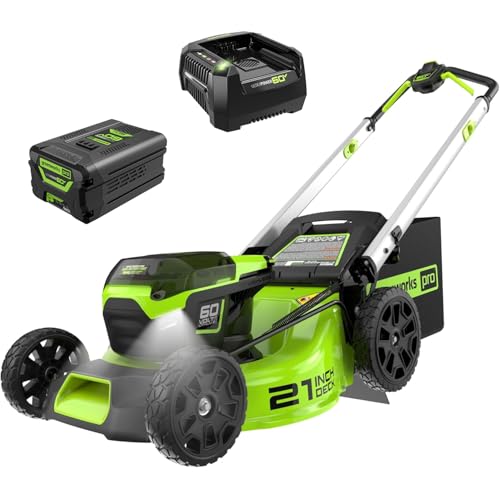
Everything to Know About Sharpening Lawn Mower Blades at Home
Introduction and Overview
Are you noticing brown, frayed tips on your grass after a fresh mow? This is a classic sign of a dull cutting edge, and it is one of the most common issues homeowners face. Learning the process of Sharpening Lawn Mower Blades at Home is a highly rewarding skill that saves money, improves your lawn’s health, and extends the life of your equipment. This comprehensive guide is designed for DIY enthusiasts, budget-conscious homeowners, and anyone who wants to take control of their yard care maintenance.To give you a clear, direct verdict upfront: for most homeowners with a standard walk-behind or riding mower, DIY sharpening using a basic angle grinder or a heavy-duty hand file is the most cost-effective and practical choice. It saves you $50 to $100 per year in service fees and ensures your mower is always ready for the next rain delay. However, if your blade is severely bent, has large chunks missing, or if you lack the proper safety gear and mechanical confidence, taking it to a professional sharpening service is the safer, more reliable option.In this guide, we will break down the fundamental mechanics of a sharp cut, compare the different sharpening methods, and provide a detailed cost analysis. You will learn exactly which tools to buy, how to safely remove and reinstall the blade, and the critical steps to ensure the blade remains perfectly balanced. We will also cover common pitfalls to avoid and outline a long-term maintenance schedule. By the end of this article, you will have the knowledge and confidence to achieve a pristine, golf-course-quality cut right from your own garage.
Key Takeaways
| Topic | Key Point |
|---|---|
| Sharpening Frequency | Blades should be sharpened every 20 to 25 hours of use, or at least twice per mowing season. |
| Optimal Cutting Angle | Most manufacturer blades are designed with a 30 to 45-degree bevel angle for optimal slicing. |
| Safety First | Always disconnect the spark plug wire or battery before attempting to remove the mower blade. |
| Balancing is Critical | An unbalanced blade causes severe vibration, which can destroy the mower’s spindle and engine bearings. |
| DIY Cost Savings | Sharpening at home costs $15 to $40 in basic tools, compared to $10 to $20 per blade at a shop. |
| Blade Lifespan | A high-quality steel blade can be sharpened 3 to 5 times before the metal becomes too thin and requires replacement. |
| Horticultural Impact | A sharp blade slices grass cleanly, preventing torn tips that invite fungal diseases and moisture loss. |
| Tool Selection | Angle grinders offer speed, bench grinders offer precision, and hand files offer the highest safety margin. |
Understanding Sharpening Lawn Mower Blades at Home
To truly master Sharpening Lawn Mower Blades at Home, you must first understand the horticultural science behind why a sharp edge matters. Grass is a fibrous plant. When a sharp blade strikes it, the grass is sliced cleanly, much like a pair of sharp scissors cutting paper. This clean cut seals quickly, minimizing moisture loss and allowing the plant to heal rapidly. Conversely, a dull blade does not slice; it tears and shreds the grass. This tearing action leaves ragged, white, or brown tips on the grass blades. These open wounds make the turf highly susceptible to fungal diseases, such as brown patch or dollar spot, especially during humid summer months. Furthermore, a shredded lawn reflects light differently, giving your entire yard a dull, grayish, or unhealthy appearance, even if you water and fertilize it regularly.The mechanics of sharpening involve removing a small amount of metal from the cutting edge to restore the original bevel. Most standard mower blades are manufactured with a cutting angle between 30 and 45 degrees. Maintaining this specific angle is crucial. If you grind the blade at too steep an angle, the edge becomes fragile and will chip or roll over when it hits a hidden rock or root. If the angle is too shallow, the blade will not slice effectively and will dull much faster.Beyond lawn health, a sharp blade directly impacts your mower’s mechanical performance. A dull blade requires the engine to work significantly harder to push through the grass. This increased load reduces fuel efficiency in gas mowers and drains battery life faster in electric models. It also places undue stress on the mower’s drive belt and spindle. By taking the time to sharpen the blade regularly, you are not just caring for your grass; you are actively protecting your financial investment in the machine itself.
Breaking Down the Options
When it comes to restoring a sharp edge, you have several distinct methods to choose from. Each method has specific requirements regarding cost, time, and skill level.
Angle Grinder Method
The angle grinder is the most popular and fastest DIY method for sharpening lawn mower blades. It uses a spinning abrasive disc to quickly remove metal and reshape the bevel.
- Cost: A basic 4.5-inch angle grinder costs between $40 and $80. Replacement grinding discs cost $2 to $5 each.
- Time Required: Approximately 10 to 15 minutes per blade once the mower is disassembled.
- Skill Level: Intermediate. It requires a steady hand to maintain a consistent angle and avoid removing too much metal.
- Best For: Homeowners who want quick results and are comfortable using moderate-power tools. It is highly effective for standard and mulching blades.
Bench Grinder Method
A bench grinder is a stationary tool mounted to a workbench, featuring two spinning grinding wheels. This method offers superior control and consistency compared to a handheld angle grinder.
- Cost: A quality 6-inch or 8-inch bench grinder ranges from $80 to $150.
- Time Required: About 10 minutes per blade. The stationary setup allows for rapid, precise passes.
- Skill Level: Intermediate to Advanced. It requires setting up the tool correctly and using a jig or rest to hold the blade at the exact factory angle.
- Best For: Dedicated DIYers or those with large properties who sharpen multiple blades or sets of blades regularly. It provides the most professional, uniform finish.
Hand File Method
Using a heavy-duty, flat mill bastard file is the oldest, safest, and most traditional method of sharpening. It requires no electricity and generates no sparks.
- Cost: A high-quality 10-inch or 12-inch metal file with a handle costs between $15 and $30.
- Time Required: 30 to 45 minutes per blade. It is a manual, labor-intensive process.
- Skill Level: Beginner. It is very difficult to accidentally ruin the blade or remove too much metal using a hand file.
- Best For: Homeowners with small yards, those without access to power tools, or anyone who prioritizes absolute safety and quiet operation over speed.
Professional Sharpening Service
This option involves removing the blade yourself and taking it to a local small engine repair shop, hardware store, or specialized sharpening service.
- Cost: Typically $10 to $20 per blade, plus a $5 to $10 balancing fee.
- Time Required: 1 to 3 days turnaround time, depending on the shop’s spring or fall workload.
- Skill Level: None required for the sharpening process itself, though you must know how to safely remove and reinstall the blade.
- Best For: Homeowners who lack the tools, physical strength, or confidence to sharpen the blade themselves, or those dealing with severely damaged blades.
Pros and Cons
Making an informed decision requires weighing the distinct benefits against the inherent limitations of maintaining your own equipment.
Advantages
- Significant Cost Savings: Investing $40 in a basic grinder or file pays for itself after just two or three sharpening sessions, saving you $50 to $100 annually compared to professional services.
- Ultimate Convenience: You can sharpen your blade on a Tuesday evening and have your mower ready for a Thursday morning mow, without waiting for a repair shop’s turnaround time.
- Improved Lawn Health: Regular, timely sharpening ensures a clean cut every time, which directly reduces grass stress, minimizes disease risk, and promotes a thicker, greener lawn.
- Extended Equipment Life: A sharp blade reduces the load on the mower’s engine, battery, and spindle, preventing premature wear and expensive mechanical failures.
- Skill Development: Learning to properly remove, sharpen, balance, and reinstall a mower blade builds valuable mechanical confidence and self-reliance.
Drawbacks
- Safety Risks: Using high-speed grinding tools generates sparks, heat, and metal shavings. Improper handling can lead to serious eye injuries, cuts, or fires if near flammable materials.
- Risk of Unbalanced Blades: If you remove too much metal from one side of the blade, it will become unbalanced. This causes severe vibration that can quickly destroy the mower’s spindle bearings.
- Initial Tool Investment: While cheaper than professional services over time, you still need to purchase safety gear, a vise, and a grinding tool, which requires an upfront financial outlay.
- Potential to Void Warranty: Some manufacturers stipulate that unauthorized modifications or improper sharpening techniques can void the warranty on the blade or the mower deck.
- Time Consumption for Beginners: Without practice, the process of safely jacking up the mower, removing the blade, sharpening it, balancing it, and reinstalling it can take over an hour.
Cost Breakdown
Understanding the total cost of ownership and maintenance is crucial for budgeting. Below is a detailed breakdown of typical expenses for sharpening a standard walk-behind mower blade in 2026.
| Item / Service | DIY Cost | Professional Cost | Notes |
|---|---|---|---|
| Mower Blade Removal Tools | $0 – $30 | $0 | Assumes you own a socket wrench and block of wood. Blade removal tool kits cost ~$30. |
| Sharpening Tool | $15 (File) to $80 (Grinder) | $0 | One-time purchase. A bench grinder is a higher upfront cost but lasts decades. |
| Safety Gear (Goggles, Gloves) | $15 – $25 | $0 | Essential for DIY. Heavy-duty leather gloves and ANSI-rated safety glasses are mandatory. |
| Blade Balancer | $5 – $15 | $0 | A simple cone balancer is inexpensive and critical for preventing spindle damage. |
| Professional Sharpening Fee | $0 | $10 – $20 per blade | Price varies by region and whether balancing is included in the base fee. |
| Replacement Blade (if needed) | $15 – $40 | $25 – $50 | Required if the blade is cracked, severely bent, or sharpened past its safe limit. |
| Rust Preventative / Lubricant | $5 – $10 | $0 | A light spray of WD-40 or fluid film after sharpening prevents flash rust. |
| Typical Total Range (Year 1) | $35 – $130 | $10 – $70 | DIY includes tool purchase; Professional is per-service cost. DIY pays off by Year 2. |
How to Choose the Right Option
Selecting the best sharpening method requires careful evaluation of your specific situation, tools, and comfort level. Follow these actionable steps to make the right choice.
- Assess Your Current Tool Inventory: Check your garage or workshop. If you already own a 4.5-inch angle grinder or a bench grinder, the DIY route is practically free and highly efficient. If you own nothing, calculate whether the $50+ investment makes sense for your lawn size.
- Evaluate the Blade’s Current Condition: Inspect the blade closely. If it has minor nicks and general dullness, DIY sharpening is perfect. However, if the blade is bent, has large chunks missing, or shows hairline cracks, do not attempt to fix it. Replace it immediately or take it to a professional for assessment.
- Consider Your Physical Strength and Dexterity: Removing a mower blade requires holding the blade stationary while breaking a very tight, often rusted, bolt. If you lack the upper body strength or a sturdy vise, taking the entire mower to a professional shop might be the safer, less frustrating option.
- Factor in Time Availability: If you are a busy homeowner who needs the mower running immediately, the 15-minute angle grinder method is ideal. If you can wait a few days and prefer a hands-off approach, dropping the blade at a local hardware store is more convenient.
- Determine Your Budget for Tools: If you are on a strict budget, a $15 heavy-duty hand file and a $5 cone balancer are all you need. It takes longer, but it is incredibly cheap, safe, and highly effective for standard maintenance.
- Check Manufacturer Warranty Guidelines: Review your mower’s owner’s manual. Some brands explicitly state that the blade must be sharpened at a specific angle or by a certified technician to maintain the deck warranty. Adhere to these rules to protect your investment.
- Evaluate Your Lawn Size and Mowing Frequency: If you have a large, 15,000 square foot lawn, you will dull your blade faster and need to sharpen it more often. In this case, investing in a mid-range angle grinder or bench grinder will save you significant time and money over the season.
- Prioritize Safety Gear Availability: Never attempt to grind metal without proper protection. If you do not own ANSI-rated safety glasses, heavy leather gloves, and ear protection, factor the $20 to $30 cost of this gear into your decision before starting.
Recommended Products and Tools
While specific brand recommendations can quickly become outdated, understanding the feature sets available at different price tiers will guide your purchase effectively.
Budget Options ($15 – $40)
In this tier, you will find the essential, no-frills tools for safe, manual sharpening. This includes a 10-inch or 12-inch flat mill bastard file with a comfortable wooden or rubber handle, a basic metal cone balancer, and a pair of heavy-duty leather work gloves. This setup is perfect for homeowners with small, flat lawns under 5,000 square feet who only need to sharpen their blade once or twice a year. It is quiet, safe, and requires zero electricity.
Mid-Range Options ($50 – $120)
This is the sweet spot for most suburban DIYers. This tier includes a reliable 4.5-inch corded angle grinder (4 to 6 amps), a pack of 60-grit flap discs or grinding wheels, and a magnetic blade holder or a sturdy bench vise. A flap disc is highly recommended over a hard grinding wheel, as it removes metal smoothly without creating deep gouges or overheating the steel. This setup reduces sharpening time to under 15 minutes and handles heavy nicks with ease.
Premium Options ($130 – $250+)
Premium setups are designed for serious enthusiasts, large property owners, or those who maintain multiple machines. This tier features a high-quality 6-inch or 8-inch bench grinder with adjustable tool rests, allowing you to set the exact 30 to 45-degree factory angle. It also includes a professional-grade blade sharpening jig that clamps the blade securely, ensuring perfectly symmetrical sharpening every single time. Additionally, this tier includes a heavy-duty impact wrench, making blade removal and installation effortless.
Common Mistakes to Avoid
Even a simple maintenance task can go wrong if proper procedures are not followed. Avoid these common homeowner errors to protect yourself and your equipment.
- Skipping the Balancing Step: This is the most critical error. Removing metal from one side makes the blade heavier on the other. Instead: Always check the balance on a cone balancer after sharpening. File away metal from the heavier side (the side that drops) until it sits perfectly level.
- Removing Too Much Metal: Grinding aggressively to remove a deep nick can thin the blade excessively, making it brittle and prone to snapping. Instead: If a nick is deeper than 1/8 inch, it is safer and more cost-effective to replace the blade entirely rather than trying to grind it out.
- Ignoring Safety Gear: Grinding metal sends hot, sharp shards flying at high speeds. Instead: Always wear ANSI-rated safety glasses, heavy leather gloves, and long sleeves. Work in a well-ventilated area away from dry grass or gasoline fumes.
- Sharpening the Wrong Edge: Mower blades are designed to cut in one specific direction. Instead: Identify the cutting edge (it will have a distinct bevel). Only sharpen this top bevel. Never grind the flat bottom of the blade, as this alters the aerodynamics and lift of the deck.
- Forgetting to Disconnect the Spark Plug: Accidentally starting the mower while your hands are under the deck can result in catastrophic, life-altering injuries. Instead: Always disconnect the spark plug wire on gas mowers, or remove the battery on electric models, before tipping the mower or touching the blade.
- Using a Dull or Glazed Grinding Disc: A worn-out disc will not cut metal efficiently; it will just create friction, heat, and sparks. Instead: Use a fresh 60-grit grinding wheel or flap disc. If the disc starts to glow red or smoke, you are pressing too hard or the disc is worn out.
- Leaving the Blade Wet After Cleaning: Washing the blade with water and immediately reinstalling it invites flash rust, which degrades the cutting edge. Instead: After washing off grass clippings, dry the blade thoroughly with a rag and apply a light coat of rust-preventative oil or fluid film before storage.
Maintenance and Long-Term Considerations
Ongoing upkeep of your mower blade is essential to ensure consistent performance and safety throughout the life of the machine.
Mid-Season Checks
During the peak growing season, you should inspect your blade every 25 hours of use, or roughly once a month. Visually check for new nicks, dents, or a rolled cutting edge. Run your finger carefully along the edge (wearing a heavy glove); if it feels smooth like a butter knife rather than sharp, it is time to sharpen. Keep a wire brush in your garage to quickly scrub off caked-on grass after every few mows, which makes the sharpening process much easier when the time comes.
End-of-Season Winterization
Before storing your mower for the winter, perform a comprehensive blade service. Remove the blade completely. Clean it thoroughly with a degreaser and a wire brush to remove all sap, dirt, and moisture. Sharpen the blade to a pristine edge so it is ready for spring. Apply a heavy coat of rust-inhibiting oil to the entire blade. Store the blade in a dry place, or reinstall it on the mower if the mower is stored in a climate-controlled garage. This prevents winter corrosion and ensures a quick startup next year.
Multi-Year Blade Replacement
No blade lasts forever. Each time you sharpen a blade, you remove a small amount of steel. After 3 to 5 sharpening cycles, or roughly 100 to 150 hours of total use, the blade will become too thin. A thin blade loses its structural integrity, vibrates excessively, and is at high risk of shattering if it strikes a hidden obstacle. Keep a log of your sharpening dates. When the blade looks visibly narrow or has been sharpened multiple times, proactively replace it with a new, high-quality OEM or aftermarket blade for $20 to $40.
When to Call a Professional
While DIY sharpening is highly accessible, certain scenarios clearly indicate that you should hire a professional small engine technician or sharpening service. You should strongly consider professional help if your blade is severely bent, has large chunks missing, or exhibits any visible hairline cracks. A bent blade cannot be safely straightened; it must be replaced. Attempting to grind a cracked blade is extremely dangerous, as the centrifugal force of the spinning blade can cause it to shatter and become a deadly projectile. Additionally, if you do not own a sturdy vise, lack the physical strength to break the blade bolt, or feel uncomfortable using high-speed power tools, a professional service is the safest route.Typical professional blade sharpening costs range from $10 to $20 per blade. Many shops also offer a comprehensive mower tune-up for $80 to $150, which includes blade sharpening, balancing, oil changes, and spark plug replacement, providing excellent overall value.Before hiring a specialist, ask these critical questions:
- Do you balance the blade after sharpening, and is that included in the quoted price?
- What is your typical turnaround time during the busy spring and fall seasons?
- Do you visually inspect the blade for micro-cracks or structural fatigue before sharpening?
- Are you experienced in sharpening specialized blades, such as high-lift or heavy-duty mulching blades, without altering their specific aerodynamic profiles?
Frequently Asked Questions
How often should I sharpen my lawn mower blade?
As a general rule, you should sharpen your lawn mower blade every 20 to 25 hours of use. For the average homeowner mowing once a week, this translates to sharpening the blade at least twice per mowing season: once in the early spring and once in the mid-summer. If you frequently mow over sandy soil, hit a lot of sticks, or have a very large property, you may need to sharpen it three or four times a year to maintain a clean cut.
Can I sharpen a lawn mower blade without removing it?
While it is technically possible to sharpen a blade while it is still attached to the mower using a hand file, it is highly discouraged. Sharpening a mounted blade with a power grinder is extremely dangerous due to the risk of accidental startup and the awkward angles required. Removing the blade allows you to secure it in a vise, inspect it thoroughly for cracks, clean it properly, and balance it accurately, ensuring a much safer and higher-quality result.
How do I know if my mower blade is balanced?
You can check blade balance using a simple, inexpensive tool called a cone balancer, or even a sturdy nail hammered into a wall. Place the center hole of the blade onto the cone or nail. If the blade is perfectly balanced, it will sit horizontally and not move. If one side consistently drops toward the ground, that side is heavier. You must file a small amount of metal from the back edge (not the cutting edge) of the heavier side until the blade sits perfectly level.
What is the correct angle for sharpening a mower blade?
Most standard lawn mower blades are manufactured with a cutting bevel of 30 to 45 degrees. A 30-degree angle provides a very sharp, aggressive cut, ideal for fine turf, but it may dull faster. A 40 to 45-degree angle is more durable and better suited for rougher terrain or thicker grass types. The best practice is to match the existing factory angle of your specific blade rather than trying to create a new angle from scratch.
Is it better to sharpen or replace a lawn mower blade?
It is generally better to sharpen a blade as part of routine maintenance. However, replacement is the only safe option if the blade is bent, cracked, or has deep nicks exceeding 1/8 inch. Additionally, if the blade has already been sharpened three to five times and has become visibly thin and narrow, it has lost its structural integrity. In these cases, spending $20 to $40 on a new blade is a necessary safety investment.
Can I use a regular metal file to sharpen a mower blade?
Yes, a heavy-duty, flat mill bastard file is an excellent, safe, and effective tool for sharpening mower blades. While it requires more physical effort and time than a power grinder, it offers superior control, making it nearly impossible to accidentally remove too much metal or overheat the steel. It is the ideal method for beginners, those without access to electricity, or homeowners with small yards who only need to perform light touch-ups.
Does sharpening the blade void my mower’s warranty?
In most cases, routine maintenance like sharpening the blade does not void your mower’s warranty, provided it is done correctly. However, if you use improper techniques that damage the blade, cause it to become severely unbalanced, or result in damage to the mower’s spindle or deck, the manufacturer may deny a warranty claim for those specific damaged parts. Always follow the sharpening angle and safety guidelines outlined in your owner’s manual.
Conclusion
Mastering the skill of Sharpening Lawn Mower Blades at Home is one of the most impactful maintenance tasks a homeowner can perform. It directly translates to a healthier, greener lawn, reduced strain on your mower’s engine, and significant long-term cost savings. By understanding the differences between angle grinders, bench grinders, and hand files, you can select the method that best aligns with your budget, skill level, and property size. Remember that safety must always be your top priority. Always disconnect the spark plug, wear heavy-duty gloves and eye protection, and never skip the crucial step of balancing the blade after sharpening. If your blade is severely damaged or you lack the proper tools, do not hesitate to rely on a professional sharpening service to ensure your equipment remains safe and effective.Bookmark this guide to reference the step-by-step instructions, cost breakdowns, and safety tips throughout the mowing season. Share this information with fellow homeowners who are ready to elevate their lawn care routine and achieve a pristine, professionally manicured yard right from their own garage.