HOA Lawn Care Rules and Fines: What Every Homeowner Should Know
Introduction and Overview
Buying a home in a managed community brings many wonderful benefits, but it also comes with strict guidelines. Every homeowner in these neighborhoods eventually faces the challenge of maintaining their yard to a specific standard. This brings us to the critical topic of HOA Lawn Care Rules and Fines. Navigating these regulations can feel overwhelming. A single overlooked detail can result in unexpected penalties that drain your wallet. This guide is designed for homeowners who want clear, practical, and actionable answers. We will break down exactly what these rules entail, how fines are structured, and how to keep your property in perfect standing.Let us state the verdict upfront. For most homeowners living in strict communities, hiring a professional lawn care service is the clear winner. Attempting to DIY complex chemical applications, precise irrigation scheduling, and strict seasonal cleanup often leads to missed deadlines and costly violations. A professional service provides documented compliance, saving you time, stress, and money in the long run. The full breakdown follows below. You will learn exactly how to interpret your community guidelines, what specific metrics you must hit, and how to choose the right strategy to protect your investment and your peace of mind.
Key Takeaways
| Topic | Key Point |
|---|---|
| Mowing Standards | Most HOAs mandate a grass height between 2.5 and 3.5 inches, with weekly mowing required during the growing season. |
| Weed Control | Communities typically enforce a zero-tolerance policy for visible weeds, requiring pre-emergent treatments when soil hits 50-55°F. |
| Fine Escalation | Penalties usually start with a warning, then escalate from $25 to $50, and can reach $100+ per day for repeated offenses. |
| Fertilizer Restrictions | Many associations limit nitrogen application rates and mandate a 10 to 15-foot buffer zone near any storm drains or water bodies. |
| Irrigation Mandates | Watering is often restricted to specific days and times, with a general requirement of 1 to 1.5 inches of water per week. |
| Debris Removal | Leaves, grass clippings, and branches must typically be removed from the lawn and street within 48 hours of falling or mowing. |
| Documentation | Professional services provide dated service receipts, which serve as ironclad proof of compliance if the HOA board questions your lawn. |
| Bare Soil Rules | Most guidelines prohibit more than 5% bare soil, requiring immediate overseeding or sod replacement in thin areas. |
Understanding HOA Lawn Care Rules and Fines
To protect your wallet and your property value, you must understand the legal and practical framework of your community. The debate around HOA Lawn Care Rules and Fines centers on the balance between individual property rights and collective community aesthetics. These rules are established in a legal document known as the Covenants, Conditions, and Restrictions (CC&Rs). When you purchase a home in a managed community, you legally agree to abide by these guidelines. The HOA board is responsible for enforcing them to ensure uniformity and protect neighborhood property values. Enforcement typically follows a strict, escalating process. It rarely begins with a fine. Usually, a compliance officer or board member will issue a friendly warning letter. This letter outlines the specific violation, such as overgrown grass or visible dandelions, and gives you a set timeframe to fix it, often 7 to 14 days. If the issue remains unresolved, the first official fine is issued. This initial penalty typically ranges from $25 to $50. If you continue to ignore the notices, the fines compound. Many HOAs charge $50 to $100 per day until the violation is corrected. In extreme cases, the HOA can place a lien on your property or hire a third-party landscaping crew to fix the issue and bill you directly, often at a premium rate.Understanding this framework is crucial. The HOA is not trying to micromanage your life; they are protecting the financial investment of every homeowner in the neighborhood. A poorly maintained lawn can objectively lower the appraisal value of surrounding homes. By proactively managing your lawn care, you avoid penalties and contribute to a thriving, valuable community.
Breaking Down the Options
Mowing Height and Frequency Rules
Most community guidelines dictate strict parameters for grass height. The standard acceptable range is between 2.5 and 3.5 inches. Grass taller than 4 inches is almost universally considered a violation. Homeowners are typically required to mow their lawns at least once every 7 to 10 days during the active growing season. Failure to comply usually results in a $25 to $50 fine per occurrence. For a standard 5,000-square-foot lawn, maintaining this height requires a rotary mower with a 21-inch cutting deck, taking approximately 45 to 60 minutes per session.
Weed Control and Bare Soil Restrictions
Communities typically enforce a near zero-tolerance policy for visible weeds. You are generally expected to maintain a lawn with less than 5% weed coverage. This requires applying pre-emergent herbicides when soil temperatures consistently reach 50-55°F in the spring. Additionally, most HOAs prohibit large patches of bare soil. Any bare spots larger than 12 inches in diameter must be repaired with sod or grass seed within 30 days. Ignoring weed or bare soil violations can trigger fines ranging from $30 to $75 per notice.
Fertilization and Chemical Application Limits
To protect local waterways, many HOAs have adopted strict fertilizer ordinances. These rules often limit the total nitrogen applied to no more than 1 pound per 1,000 square feet per application. Furthermore, you must maintain a mandatory 10 to 15-foot chemical-free buffer zone around any storm drains, ponds, or creeks. Applying fertilizer incorrectly or before a heavy rain event can result in runoff violations, carrying steep fines of $50 to $100, plus potential municipal penalties.
Irrigation and Water Usage Mandates
Water conservation is a major focus for modern associations. Most HOAs restrict watering to specific days of the week, often based on your street address, and prohibit watering during peak daylight hours to prevent evaporation. The general horticultural requirement is 1 to 1.5 inches of water per week, delivered in deep, infrequent cycles. Violating watering schedules or allowing sprinklers to spray onto sidewalks and streets can result in fines of $40 to $80 per incident.
Seasonal Cleanup and Debris Removal
A pristine lawn requires constant attention to debris. HOA rules universally mandate that fallen leaves, tree branches, and grass clippings be removed from the lawn and the public street within 48 hours. Leaving grass clippings in the street is a major violation, as they wash into storm drains and cause environmental hazards. Failure to clear debris promptly typically incurs fines of $20 to $50 per day until the property is clean.
Pros and Cons
Advantages
- Professional services guarantee compliance. They know the exact local HOA rules and schedule treatments to prevent violations before they happen.
- DIY lawn care offers lower upfront costs. Buying your own fertilizer and mower is cheaper month-to-month than paying a recurring service fee.
- Hiring a pro saves significant time and effort. You reclaim your weekends instead of spending hours mowing, trimming, and cleaning up debris.
- Professional treatments are highly effective. Commercial-grade products provide better weed control and greener grass than retail store alternatives.
- DIY management allows complete control. You choose exactly which organic or synthetic products touch your soil and your family’s environment.
- Documented service receipts protect you. If the HOA sends a violation notice, a receipt from a licensed provider is usually enough to get the fine immediately dismissed.
Drawbacks
- Professional lawn care requires a recurring budget. Monthly fees add up, typically costing $150 to $300 per month for a standard suburban property.
- DIY management carries a high risk of fines. Missing a single mowing cycle or weed treatment window can trigger expensive HOA penalties.
- Professional schedules may lack flexibility. You may not be able to request specific service days if the company has a fixed route in your neighborhood.
- DIY requires purchasing and storing equipment. You must buy, maintain, and find storage space for mowers, trimmers, spreaders, and chemical products.
- Professional crews may cause minor property damage. Heavy equipment can occasionally leave ruts in soft soil or accidentally trim ornamental plants.
- DIY demands a steep learning curve. You must research soil temperatures, chemical application rates, and local watering restrictions to avoid mistakes.
Cost Breakdown
| Item / Service | DIY Cost | Professional Cost | Notes |
|---|---|---|---|
| Weekly Mowing (5,000 sq ft) | $0 (Labor only) | $150 – $250 / month | Includes mowing, edging, and blowing clippings off hard surfaces. |
| Seasonal Fertilization Program | $80 – $120 / year | $300 – $500 / year | Pro programs include 5 to 8 targeted applications with soil amendments. |
| Pre-Emergent Weed Control | $30 – $50 / application | $75 – $120 / application | Professional liquid applications offer superior soil binding and longevity. |
| Irrigation System Audit | $0 (Manual check) | $100 – $150 / visit | Pros adjust heads, check for leaks, and program smart controllers. |
| Seasonal Debris Removal | $0 (Labor only) | $50 – $100 / visit | Required in spring and fall to clear heavy leaf or branch drop. |
| Annual Soil Testing | $15 – $30 / test | $40 – $60 / test | Essential for determining exact nutrient deficiencies and avoiding over-application. |
| Average HOA Fine (First Offense) | $25 – $50 / notice | $0 (Prevented) | Fines escalate rapidly if the violation is not corrected within the grace period. |
| Typical Total Annual Cost | $125 – $200 + Labor | $2,500 – $4,000 / year | Professional cost includes all labor, materials, equipment, and compliance guarantees. |
How to Choose the Right Option
Deciding how to manage your lawn care to avoid penalties requires careful evaluation. Follow these actionable steps to determine the best strategy for your specific situation.
- Read Your CC&R Document Thoroughly. Do not rely on hearsay from neighbors. Request the official landscaping addendum from your HOA board. Note the exact mowing height, weed tolerance percentage, and watering days mandated for your specific lot.
- Calculate Your Available Free Time. Be realistic about your weekend schedule. If you work long hours or travel frequently, DIY lawn care will likely lead to missed mowing cycles and subsequent fines.
- Assess Your Lawn Care Knowledge. Do you know how to calibrate a broadcast spreader? Do you understand the difference between pre-emergent and post-emergent herbicides? If not, the learning curve may result in wasted product and poor results.
- Evaluate the HOA Fine Structure. Check how aggressive your community’s penalties are. If fines jump to $100 per day after a warning, the financial risk of DIY failure is too high, making a professional service a safer investment.
- Consider Your Property Size and Layout. A small, flat 3,000-square-foot front yard is easily managed with a basic push mower. A half-acre lot with slopes, flower beds, and mature trees requires commercial-grade equipment and significant physical labor.
- Check Local Environmental Laws. Your HOA rules must align with municipal water restrictions and fertilizer bans. Ensure your chosen strategy complies with both local government mandates and community guidelines to avoid double penalties.
- Factor in Equipment and Storage Costs. If you choose DIY, calculate the cost of buying a mower, trimmer, edger, and spreader. Ensure you have a dry, secure shed or garage to store these tools and any liquid chemicals safely.
- Determine Long-Term Property Value Goals. If you plan to sell your home in the next few years, a flawlessly maintained, professionally managed lawn provides a massive return on investment by boosting curb appeal and satisfying strict buyer HOA contingencies.
Recommended Products and Tools
Whether you choose to manage the lawn yourself or hire help, having the right tools or service tier is essential for compliance.
Budget Options
For homeowners on a tight budget who choose the DIY route, basic retail tools are sufficient. A reliable 21-inch gas or battery rotary mower costs $250 to $350. Pair this with a $40 manual push broadcast spreader and generic granular pre-emergent herbicide ($30 per bag). This setup is ideal for small, flat lawns under 4,000 square feet where physical labor is manageable and the risk of missing a mowing deadline is low.
Mid-Range Options
The mid-range tier offers the best balance of efficiency and reliability for the average homeowner. This includes a self-propelled rotary mower ($400 to $600) and a smart Wi-Fi irrigation controller ($150 to $250) that automatically adjusts watering based on local weather data, ensuring you never violate HOA watering schedules. For weed control, invest in a quality liquid weed-and-feed product ($50 to $80 per gallon) that covers up to 5,000 square feet with a hose-end sprayer.
Premium Options
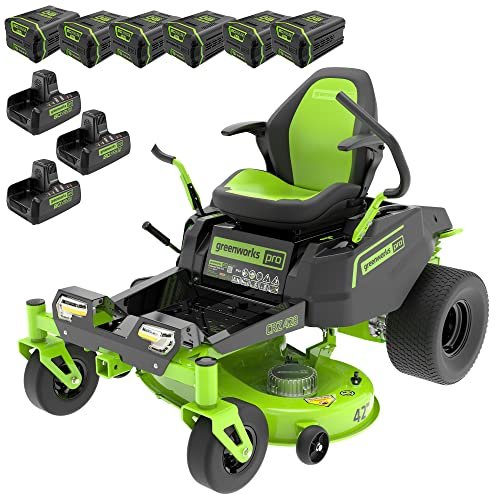
Premium options focus on maximum convenience and flawless results, often through professional services. A comprehensive, 8-step annual lawn care program from a licensed provider costs $400 to $700 per year. This includes professional-grade liquid fertilizers, targeted weed control, and core aeration. For the DIY enthusiast, premium tools include a commercial-grade zero-turn mower ($2,500+) and a professional soil moisture sensor system ($300) to guarantee perfect irrigation compliance without wasting water.
Common Mistakes to Avoid
Even well-intentioned homeowners can trigger violations. Avoid these common mistakes to keep your record clean and your lawn healthy.
- Ignoring the initial warning letter.
- Why it’s a mistake: Assuming a warning is just a suggestion will lead to an automatic fine. HOAs track compliance digitally.
- What to do instead: Treat the first notice as an urgent priority. Rectify the issue within the stated 7 to 14-day window and notify the board.
- Mowing the grass too short to reduce frequency.
- Why it’s a mistake: Cutting grass below 2.5 inches stresses the plant, invites weeds, and often violates the minimum height rule, resulting in a fine.
- What to do instead: Set your mower deck to 3 inches and mow weekly. This promotes deep roots and naturally chokes out weeds.
- Watering the lawn during the heat of the day.
- Why it’s a mistake: This violates most HOA and municipal water conservation rules. It also causes rapid evaporation, wasting money and promoting fungal disease.
- What to do instead: Program your irrigation system to water between 4:00 AM and 6:00 AM, delivering 1 to 1.5 inches of water per week.
- Applying fertilizer right before a heavy rainstorm.
- Why it’s a mistake: Rain washes the nutrients into the street and storm drains. This violates environmental buffer rules and can trigger massive fines.
- What to do instead: Always check the 48-hour weather forecast. Only apply fertilizer when at least two days of dry, calm weather are expected.
- Letting weeds go to seed.
- Why it’s a mistake: A single dandelion can produce thousands of seeds that blow onto your lawn and your neighbor’s lawn, multiplying the violation.
- What to do instead: Hand-pull visible broadleaf weeds immediately or apply a targeted post-emergent spray within 24 hours of spotting them.
- Assuming your neighbor’s rules apply to you.
- Why it’s a mistake: Corner lots, cul-de-sacs, and properties bordering green spaces often have enhanced landscaping requirements and stricter fines.
- What to do instead: Verify your specific lot classification with the HOA management company to ensure you are meeting the correct standards.
Maintenance and Long-Term Considerations
Maintaining HOA compliance is not a one-time task. It requires a structured, seasonal approach to lawn care.
Spring Preparation and Pre-Emergent Timing
Spring is the most critical season for avoiding violations. As soil temperatures approach 50-55°F, you must apply a pre-emergent herbicide to stop crabgrass and other summer weeds. This is also the time to calibrate your irrigation system, replacing any broken sprinkler heads that might spray water onto the sidewalk. Conduct a thorough raking to remove winter debris and apply the first round of nitrogen fertilizer to green up the turf.
Summer Monitoring and Irrigation Management
During the summer, the focus shifts to maintenance and conservation. You must mow weekly, ensuring the grass never exceeds the maximum height limit, usually 3.5 or 4 inches. Monitor your lawn for drought stress or fungal patches. Adjust your smart irrigation controller to deliver deep, infrequent watering cycles early in the morning. Promptly remove any grass clippings or trimmings from the street after every mowing session to avoid debris fines.
Fall Cleanup and Winterization
As temperatures drop, the threat of HOA fines shifts from weeds to debris. You must aggressively manage falling leaves. Rake or vacuum leaves at least once a week, ensuring no thick mats smother the grass. Apply a fall pre-emergent to target winter annual weeds like poa annua. Finally, winterize your irrigation system by blowing out the lines to prevent frozen pipe bursts, which can cause water waste violations and property damage.
When to Call a Professional
While DIY lawn care is possible, certain situations clearly indicate that you should hire a licensed lawn care specialist. You should make the call if:
- You have received two or more formal violation notices or fines from the HOA within a single year.
- Your property exceeds 8,000 square feet, making weekly DIY maintenance physically unsustainable.
- You are dealing with a severe, persistent weed infestation (like nutsedge or crabgrass) that retail products cannot control.
- You are preparing to sell your home and need guaranteed, flawless curb appeal to satisfy strict HOA closing requirements.
Professional lawn care services typically charge between $150 and $300 per month for a comprehensive program on a standard 5,000-square-foot lot. This usually includes mowing, edging, fertilization, and weed control. Before hiring a professional, ask these critical questions:
- Are you fully licensed, insured, and familiar with the specific CC&R requirements of my HOA?
- Do you provide dated service receipts or door hangers that I can use as proof of compliance if the HOA questions my lawn?
- What is your policy for re-treating a weed outbreak at no additional cost?
- Do you handle the cleanup and removal of all grass clippings and debris from the street after every visit?
Frequently Asked Questions
How much can an HOA fine me for a messy lawn?
HOA fines vary by community, but they follow a predictable escalation pattern. Most associations begin with a formal warning letter. If the issue is not resolved, the first fine typically ranges from $25 to $50. If the violation continues, fines can escalate to $50 or $100 per day. In extreme cases, the HOA can hire a landscaping crew to fix the problem and place a lien on your property for the cost, which can exceed $500.
Can the HOA force me to hire a professional lawn service?
Generally, no. An HOA cannot legally mandate that you hire a specific company or any professional service at all, provided you maintain the property yourself to their published standards. However, if you repeatedly fail to meet those standards and accumulate fines, the HOA may exercise its right to hire a contractor to do the work and bill you directly, effectively forcing you to pay for professional service.
What is the standard mowing height required by most HOAs?
The vast majority of HOAs require homeowners to maintain their grass at a height between 2.5 and 3.5 inches. Grass exceeding 4 inches is almost universally considered a violation. Maintaining this specific height is crucial because it promotes deep root growth, shades the soil to prevent weed germination, and ensures a uniform, aesthetically pleasing appearance across the entire neighborhood.
Are organic lawn care methods accepted by HOAs?
Yes, organic lawn care methods are widely accepted and often encouraged by modern HOAs. As long as your lawn meets the visual standards for height, weed control, and bare soil, the board typically does not care whether you use synthetic chemicals or organic alternatives like corn gluten meal and compost tea. Always verify that your chosen organic products do not violate any specific local environmental runoff ordinances.
How do I dispute an unfair HOA lawn care fine?
To dispute a fine, act quickly and professionally. First, gather evidence, such as dated photos showing your lawn was compliant, or receipts from a professional service proving the work was done. Review your CC&R document to ensure the fine is valid. Submit a formal, written appeal to the HOA board or management company before the deadline stated on the violation notice, attaching all your supporting documentation.
Does the HOA cover lawn care for the front yard only?
In most communities, the homeowner is responsible for the entire lot, including the front yard, side yards, and backyard. However, some specific HOAs may contract a master landscaping company to maintain common areas, medians, and sometimes the front yard easements. You must read your specific CC&R document to determine exactly where your maintenance responsibility begins and ends.
Can I replace my grass with artificial turf or xeriscaping?
This depends entirely on your specific HOA rules and local state laws. Some states have passed laws protecting a homeowner’s right to install drought-tolerant xeriscaping or artificial turf. However, many HOAs still strictly prohibit artificial grass or require extensive, pre-approved architectural plans before allowing any removal of natural turf. Always submit a formal request to the architectural review committee before making any changes.
Conclusion
Navigating HOA Lawn Care Rules and Fines does not have to be a stressful experience. By understanding the specific metrics your community requires, you can easily maintain a beautiful, compliant lawn. The key is consistency. Whether you choose to manage the tasks yourself or outsource them, adhering to the strict schedules for mowing, weed control, and debris removal is non-negotiable.For most homeowners, the clear recommendation is to invest in a professional lawn care service. The peace of mind, guaranteed compliance, and time saved far outweigh the monthly cost, especially when compared to the rapid escalation of HOA fines. Take the time to review your community guidelines today. Set up your irrigation schedule, mark your calendar for pre-emergent applications, and establish a routine that keeps your property in perfect standing. If you found this guide helpful in protecting your wallet and your lawn, please bookmark this page or share it with a neighbor who might also be navigating community landscaping rules.