Everything You Need to Know About Puffball Fungi in Lawns
Introduction and Overview
Finding strange, round objects popping up in your yard after a heavy rain can be a confusing experience for any homeowner. If you are dealing with Puffball Fungi in Lawns, you are likely noticing these unique spherical growths that release a cloud of dust when disturbed. This comprehensive guide is designed specifically for homeowners who want to understand, manage, and prevent these specific fungi without relying on harsh, unnecessary chemicals. We will walk you through the exact biology of puffballs, how to identify the different species, and the most effective cultural practices available in 2026. By the end of this article, you will know exactly how to adjust your yard maintenance, which tools to use, and how to maintain a healthy landscape that naturally discourages fungal overgrowth. Let us dive into the details of restoring your yard to its full, pristine glory.
Key Takeaways
| Topic | Key Point |
|---|---|
| Definition | Puffballs are spherical, saprophytic fungi that produce millions of spores inside a round, fleshy body called a gleba. |
| Harmlessness | The vast majority of lawn puffballs are completely harmless to your grass, pets, and children, though they are a visual nuisance. |
| Visual Signs | They appear as white or tan spherical balls on the soil surface, ranging from the size of a marble to over two feet across. |
| Primary Cause | Decaying buried wood, old tree roots, and excess soil moisture are the primary triggers for puffball development. |
| Quick Fix | Physically mowing or hand-picking the puffballs before they mature provides immediate cosmetic removal without using chemicals. |
| Long-Term Fix | Digging out buried wood debris, improving drainage, and aerating compacted soil permanently reduces their habitat. |
| Watering | Lawns only need 1 to 1.5 inches of water per week; overwatering creates the damp conditions puffballs require to fruit. |
| Timing | Fungal fruiting peaks during warm, wet weather in late summer and early fall, requiring proactive cultural adjustments. |
Understanding Puffball Fungi in Lawns
To manage Puffball Fungi in Lawns, you first need to understand the unique biology of these fascinating organisms. Unlike traditional mushrooms with caps and stems, puffballs are entirely enclosed, spherical fruiting bodies. They belong to a group of fungi that are strictly saprophytic, meaning they survive entirely by breaking down dead organic matter. The underground network, called mycelium, feeds on decaying wood and converts it into vital nutrients for the soil. When environmental conditions are perfectly balanced with moisture and warmth, the fungus shifts its energy to reproduction. It forms a round, fleshy interior called the gleba. Initially, the gleba is solid and white, resembling a marshmallow. However, as the puffball matures, the interior dries out and transforms into a massive, powdery mass of millions of microscopic spores. The top of the mature puffball develops a small pore or opening. When a raindrop hits the ball, or when an animal steps on it, the puffball compresses like a bellows. This physical pressure forces a thick cloud of spore powder out of the top pore, carrying the reproductive dust into the wind. Understanding this biology is critical because it changes how you treat the problem. You cannot simply kill the mycelium without destroying your soil’s natural decomposition process. Fungicides are completely ineffective and entirely unnecessary for puffballs. The real solution lies in altering the environmental conditions and removing the food source. By managing moisture and removing buried wood, you can naturally suppress the appearance of these fungi and maintain a beautiful, healthy yard.
Signs, Symptoms, or Key Types
Identifying the exact type of puffball helps you understand why they are there and how large they might get. Puffball Fungi in Lawns present a very specific set of visual cues and come in several common varieties that homeowners frequently encounter.
Giant Puffballs
The most dramatic and noticeable type is the giant puffball, scientifically known as Calvatia gigantea. These massive spheres can grow up to 2 feet in diameter and weigh several pounds. They start as pure white, smooth spheres resting directly on the soil. As they age, they turn olive green, then brown, eventually cracking open to release a dark, foul-smelling spore mass. They are entirely harmless but can be startling in size.
Meadow Puffballs
These are the most common small puffballs found in residential turfgrass. Scientifically called Lycoperdon pedicellatum, they are typically only 1 to 2 inches in diameter. They have a distinct pear shape and sit on a tiny, sterile pedestal or stalk that attaches to the soil. The top is covered in tiny, easily removable warts. When mature, the top wears away to reveal a distinct pore for spore release.
Gemmed Puffballs
The gemmed puffball, or Lycoperdon perlatum, is easily identified by its unique exterior. The surface is covered in tiny, cone-shaped warts that look like small pearls or gems. If you brush your hand against them, these gems easily rub off, revealing a pale brown under-layer. They are usually 1 to 3 inches wide and feature a distinct pore at the top for spore dispersal when stepped on.
The Spore Cloud Release
The most definitive sign of a mature puffball is the “smoke” cloud. If you walk across the lawn and see a puff of brown or olive dust rise from the grass, you have disturbed a mature puffball. This cloud is not smoke or dirt; it is billions of microscopic spores being ejected into the air to travel on the wind and colonize new areas of your yard.
Causes and Contributing Factors
Several environmental and management factors can trigger or worsen the appearance of Puffball Fungi in Lawns. Understanding these causes helps you prevent the issue from returning year after year.
Buried Construction Debris and Wood
The absolute most common cause of puffballs in residential lawns is buried organic matter. During the construction of your home, builders often bury tree roots, stumps, or wooden form boards in the backfill soil. The puffball mycelium feeds exclusively on this decaying wood. As long as the wood remains in the soil, the fungus will continue to produce puffballs on the surface directly above it.
Excess Soil Moisture
Puffballs require a massive amount of water to develop the fleshy, marshmallow-like gleba inside their spherical bodies. If your lawn is overwatered, or if you experience a prolonged period of heavy rainfall, the soil remains saturated. Lawns that suffer from poor drainage create the perfect damp environment for the mycelium to absorb water and rapidly expand its fruiting bodies.
High Organic Matter and Thatch
While buried wood is the primary food source, a thick layer of thatch also contributes to the problem. Thatch is the dense mat of dead grass stems and roots between the soil and the green blades. When thatch exceeds half an inch in thickness, it acts like a sponge, holding onto moisture and providing additional decaying organic material for the fungi to consume.
Poor Soil Aeration and Compaction
Compacted soil traps moisture and prevents proper air circulation at the root level. When the soil is heavily compacted, water cannot infiltrate deeply, leaving the surface constantly damp. This creates a microclimate that heavily favors fungal fruiting. The lack of oxygen at the surface also slows down the decomposition of organic matter, allowing the puffball mycelium to dominate the soil biology.
Step-by-Step Solution or Prevention Plan
Fixing Puffball Fungi in Lawns requires a systematic approach focused on cultural practices and physical removal. Follow these actionable steps to restore your grass and discourage fungal growth.
- Mow and Bag the Affected Areas
The fastest way to clean up the lawn is to physically remove the puffballs before they mature and release spores. Set your lawnmower to a standard cutting height of 2.5 to 3 inches. You must attach a grass catcher bag to the mower. Mowing without a bag will simply blast millions of spores across your yard, guaranteeing more growth next season. - Hand-Pick with Protective Gear
For isolated or giant puffballs, physical removal is best. Put on a pair of gardening gloves and an N95 mask to avoid inhaling the spores. Gently lift the puffball from the soil surface. If it is firm and white inside, you can safely dispose of it in the trash. Do not step on them, as this will trigger the spore cloud. - Core Aerate the Soil
Compacted soil traps moisture and promotes fungal growth. Use a core aerator to pull plugs of soil out of the ground. The holes should be 2 to 3 inches deep and spaced about 2 to 3 inches apart. This relieves compaction, improves drainage, and allows the soil surface to dry out faster, creating a less favorable environment for puffballs. - Dethatch the Lawn
If your thatch layer is thicker than 0.5 inches, you must remove it to eliminate the spongy moisture trap. Use a manual thatch rake for small areas or rent a power dethatcher for larger lawns. Removing the thatch allows sunlight to reach the soil surface, dramatically speeding up the drying process and removing the fungi’s secondary food source. - Adjust Your Watering Schedule
Stop watering your lawn every day. Most established turfgrasses only need 1 to 1.5 inches of water per week, including rainfall. Switch to deep, infrequent watering sessions. Apply about 0.5 inches of water per session, allowing the top inch of soil to dry out completely before watering again. This forces the roots to grow deeper and dries out the surface habitat. - Apply a High-Nitrogen Fertilizer
If your puffballs are feeding on buried organic matter, you can speed up the decomposition process to starve the fungus. Apply a fast-release, high-nitrogen fertilizer at a rate of 1 pound of actual nitrogen per 1,000 square feet. The nitrogen stimulates soil bacteria to break down the buried wood much faster, effectively removing the puffball’s primary food source. - Dig Out Buried Debris
If you have a persistent cluster of puffballs growing in the exact same spot year after year, there is likely a piece of buried wood directly underneath. Use a mattock, shovel, and pruning saw to dig down 12 to 18 inches and extract the decaying wood. While labor-intensive, this removes the food source entirely and provides a permanent fix. - Improve Surface Drainage
If you have low spots in the yard where water constantly pools after a rain, you need to fix the grading. Use a shovel to fill these depressions with a thin layer of topsoil or sand, leveling it out to match the surrounding grade. For severe drainage issues, you may need to install a French drain to channel excess water away from the lawn.
Recommended Products and Tools
Having the right equipment and products makes managing Puffball Fungi in Lawns much easier. Here are the essential items you will need, with realistic 2026 pricing.
Equipment
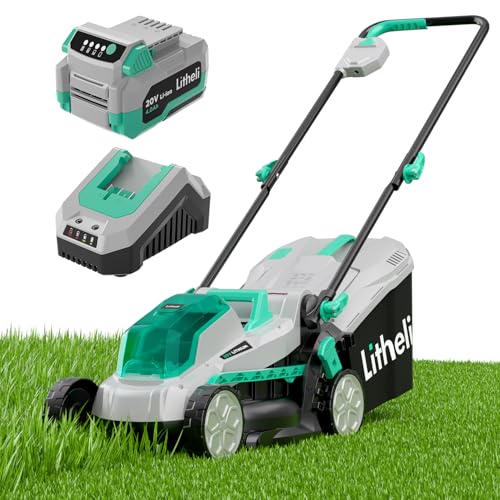
- Lawnmower with a Bagger Attachment: A mower with a reliable collection bag is essential for removing puffballs and capturing spores. Expect to pay between $300 and $600 for a quality residential walk-behind mower with a bagger.
- Core Aerator Rental: You can rent a walk-behind core aerator from most local hardware stores. The rental cost is typically $75 to $100 per day, which is usually enough time for a standard residential lawn.
- N95 Respirator Mask: When hand-picking mature puffballs, a high-quality N95 mask is crucial to prevent inhaling the dense spore clouds, which can cause severe respiratory irritation. Prices range from $15 to $30 for a multi-pack.
- Digging Bar and Mattock: For extracting buried wood causing persistent puffball clusters, a heavy-duty digging bar and mattock are essential. A quality set costs between $40 and $70.
Chemical Products or Fertilizers
- High-Nitrogen Fertilizer: To speed up the breakdown of buried wood and thatch, use a fertilizer with a high first number, like a 30-0-0 blend. A 40-pound bag typically costs between $30 and $50.
- Liquid Wetting Agent or Surfactant: If your soil is hydrophobic and repels water due to fungal mycelium, a wetting agent helps water penetrate the thatch layer evenly. A one-gallon bottle costs between $25 and $45.
- Lawn Fungicide (Not Recommended): While rarely needed for puffballs, if you are dealing with a severe fungal disease accompanying the puffballs, a systemic fungicide costs $30 to $60 per bottle. However, this will not kill the puffballs themselves.
Organic or Natural Alternatives
- Compost Tea or Liquid Humic Acid: These organic liquids introduce beneficial microbes that compete with and outcompete the puffball-forming fungi for surface resources. A one-gallon bottle costs between $20 and $40.
- Beneficial Bacteria Granules: These granular products contain specific bacteria that consume thatch and buried organic debris rapidly. A 40-pound bag costs between $35 and $55.
- Horticultural Sand: For improving drainage in heavy clay soils, topdressing with coarse horticultural sand is highly effective. A 50-pound bag costs around $10 to $15.
Cost Breakdown
Understanding the financial investment helps you budget for your lawn care plan. Here is a breakdown of the costs associated with managing Puffball Fungi in Lawns in 2026.
| Item / Service | DIY Cost | Professional Cost | Notes |
|---|---|---|---|
| Mowing and Bagging | $0 – $50 | $40 – $80 | DIY assumes you already own a mower with a bagger. |
| Core Aeration | $75 – $100 | $150 – $250 | DIY requires renting equipment and doing the heavy labor. |
| Dethatching Service | $0 – $60 | $150 – $300 | DIY requires renting a power dethatcher for larger lawns. |
| High-Nitrogen Fertilizer | $30 – $50 | $80 – $120 | Includes the cost of the product and application. |
| Buried Wood Removal | $0 – $100 | $200 – $600 | Highly variable based on the size and depth of the wood. |
| Drainage Grading | $20 – $50 | $300 – $800 | DIY involves manual shoveling; pros use heavy machinery. |
| Protective Gear (Masks/Gloves) | $15 – $30 | N/A | Essential for DIY hand-picking of mature puffballs. |
| Full Professional Service | N/A | $250 – $500 | Includes assessment, aeration, dethatching, and cleanup. |
| Total Estimated Cost | $140 – $440 | $1,170 – $2,650 | DIY saves significant money but requires intense physical labor. |
Common Mistakes to Avoid
Homeowners often make errors that worsen the problem or waste money. Avoid these common pitfalls when dealing with Puffball Fungi in Lawns.
- Mowing Without a Bagger: If you mow over mature puffballs without a collection bag, you will blast millions of spores across the rest of your yard. The mower blades chop the balls and disperse the spore cloud everywhere, guaranteeing more puffballs will appear next season. Always bag the clippings.
- Inhaling the Spore Cloud: Stepping on or kicking mature puffballs without a mask is a major health mistake. The dense cloud of spores can cause severe allergic reactions, asthma attacks, and respiratory distress. Always wear an N95 mask when handling mature specimens.
- Using Toxic Fungicides Unnecessarily: Applying harsh chemical fungicides to kill lawn puffballs is a massive waste of money. The chemicals rarely reach the deep mycelium feeding on buried wood, and they harm beneficial soil biology. Instead, focus on physical removal and cultural fixes like aeration.
- Ignoring Buried Wood: If you have puffballs growing in the exact same spot every year, simply mowing them down will not solve the problem. The buried wood underneath is the root cause. You must dig it out or accelerate its decay with nitrogen to stop the growth permanently.
- Watering Too Frequently: Keeping the soil constantly moist guarantees fungal growth. Watering lightly every day keeps the surface damp, which puffballs need to develop their fleshy interiors. You must switch to deep, infrequent watering to allow the top layer of soil to dry out between sessions.
- Composting Removed Puffballs: Throwing removed puffballs into your home compost bin is a terrible idea. The spores are incredibly resilient and will survive the composting process. When you use that compost later, you will simply reinoculate your garden beds with puffball spores. Always throw them in the municipal trash.
- Leaving Grass Clippings in Damp Areas: If you mulch mow in heavily shaded, damp areas, the thick layer of wet clippings will accelerate thatch buildup and provide more food for the fungi. In shady, wet spots, always use a bagger to remove the clippings from the property entirely.
Seasonal Timing and Best Practices
Timing is everything when managing turf issues. The effectiveness of your cultural practices depends heavily on the season and soil temperatures.
Spring
Spring is when soil temperatures reach 50°F to 60°F, and the mycelium begins to wake up and consume the winter moisture. This is the ideal time to perform a heavy dethatching and core aeration. By opening up the soil and removing the thatch early in the season, you allow the spring sun to dry out the soil profile, preventing the mycelium from fruiting as heavily later in the year.
Summer
Summer brings heat and humidity, which can trigger rapid puffball growth, especially after thunderstorms. During the summer, focus strictly on adjusting your watering schedule. Water deeply in the early morning so the grass blades dry quickly in the sun. Avoid evening watering at all costs, as leaving the lawn wet overnight during summer humidity is an open invitation for fungal overgrowth. Mow frequently with a bagger to catch any early fruiting bodies.
Fall
Fall is the absolute peak season for Puffball Fungi in Lawns due to the combination of cool temperatures and frequent, heavy rains. This is the time to be vigilant about mowing and bagging. Additionally, apply a high-nitrogen fertilizer in early fall to speed up the decomposition of any remaining buried wood. Make sure you rake and remove fallen leaves promptly, as they create a dark, damp mat that fungi love.
Winter
During the winter, the grass is dormant, and fungal fruiting stops completely. However, this is the best time to plan your physical landscape changes. Use the winter months to identify low spots where water pools and plan your grading projects. It is also the ideal time to map out where persistent puffballs appear so you can plan to dig out the buried wood as soon as the ground thaws in the spring.
When to Call a Professional
While DIY cultural practices are highly effective for most homeowners, there are times when hiring a professional is the smarter choice. You should call a lawn care expert if you have massive, deeply buried tree stumps that require heavy machinery like a stump grinder to remove. You should also hire a pro if your yard has severe drainage issues requiring heavy equipment to regrade, or if the puffball infestation covers such a large area that manual removal is physically impossible. Finally, if you suspect the puffballs are attracting pests or causing severe allergic reactions in your family, a professional can safely manage the removal.The typical cost for a professional lawn care visit to manage fungal issues and perform aeration ranges from $150 to $400 per visit, depending on the size of the lawn and the services included.Before hiring a company, ask these crucial questions:
- Do you focus on cultural practices like aeration and drainage, or do you rely solely on chemical fungicides?
- Can you perform a comprehensive thatch and soil compaction assessment before recommending treatments?
- Do you have the equipment necessary to safely excavate and remove deeply buried wood debris?
- Can you provide a written, customized lawn care plan that addresses the underlying environmental causes?
Frequently Asked Questions
Are puffball fungi poisonous to pets?
Most puffball species found in residential lawns are not considered highly toxic, but they can still cause significant gastrointestinal upset if a dog or cat ingests them. Symptoms usually include vomiting, diarrhea, and drooling. However, because it is difficult for homeowners to distinguish between harmless puffballs and other toxic fungi, you should always assume they are dangerous. The safest approach is to physically remove them immediately and keep pets off the lawn until they are gone.
Why do puffballs release a cloud of smoke when I step on them?
The “smoke” you see is actually a dense cloud of billions of microscopic reproductive spores. Inside the puffball, the fleshy white tissue dries out and turns into a fine powder as it matures. The top of the puffball develops a small pore. When you apply physical pressure by stepping on it, the ball compresses like a bellows, forcing the spore powder out of the pore into the air so the wind can carry it to new locations.
Will a lawn fungicide kill puffball fungi in my yard?
No, applying a standard lawn fungicide will not kill puffball fungi. Fungicides are designed to protect living plant tissue from parasitic diseases, but puffballs are saprophytic fungi that live in the soil and feed on dead wood. The chemical spray only reaches the surface and cannot penetrate deep into the soil to kill the massive mycelium network. Furthermore, fungicides will not stop the puffballs from fruiting as long as the buried wood food source remains.
How deep do I need to dig to remove the wood causing puffballs?
To permanently stop puffballs from growing in a specific spot, you must remove the decaying wood they are feeding on. This usually requires digging down at least 12 to 18 inches below the soil surface. Builders often bury large chunks of form boards, thick tree roots, or entire stumps during construction. You must use a mattock and shovel to extract all the rotting wood fragments until you hit clean, natural subsoil.
Can I compost the puffballs I pull out of my lawn?
You should absolutely never put puffballs in your home compost bin. The spores inside a mature puffball are incredibly resilient and can easily survive the heat of a standard backyard compost pile. If you compost them, the spores will remain viable. When you eventually spread that finished compost in your garden beds, you will inadvertently inoculate your flowers and vegetables with puffball spores. Always dispose of them in the municipal trash.
Do puffball fungi indicate that my soil is unhealthy?
Actually, puffball fungi indicate the exact opposite; they show that your soil biology is highly active and healthy. Because they are saprophytic, they are performing the vital ecological role of breaking down dead organic matter and recycling nutrients back into the earth. The only reason they become a problem is if there is too much moisture or an excessive amount of buried wood. The fungi themselves are a sign of a biologically rich soil ecosystem.
How long will puffballs continue to grow in the same spot?
Puffballs will continue to appear in the exact same spot for years, or even decades, as long as their food source remains. If there is a large buried tree stump or thick wooden boards underground, the mycelium will feed on it slowly. Every time the weather gets warm and wet, the fungus will push new puffballs to the surface. They will only stop growing permanently when the buried wood is completely decomposed or physically removed from the soil.
Conclusion
Dealing with Puffball Fungi in Lawns does not have to be a source of constant frustration. By understanding that these unique organisms are simply nature’s recyclers responding to excess moisture and buried organic debris, you can stop guessing and start treating the root environmental causes. Remember to always adjust your watering habits, remove excess thatch, aerate compacted soil, and physically bag your clippings when they appear. Proper timing, especially performing heavy dethatching and aeration in the spring and managing moisture in the summer, will set your lawn up for long-term success. Keep this guide handy as a reference for your seasonal lawn care routines. Bookmark this page and share it with fellow homeowners who are struggling with unexpected spherical fungi in their yards. With the right science-backed cultural practices, your lawn will remain thick, healthy, and beautifully free of unwanted puffballs.