How to Handle Take-All Root Rot: A Practical Guide
Introduction and Overview
Waking up to a vibrant, green lawn after a long winter is one of the best feelings for any homeowner. However, that excitement can quickly turn into frustration when you notice large, irregular patches of yellowing and thinning grass scattered across your yard. If you grow warm-season grasses like St. Augustinegrass or bermudagrass, you might be dealing with Take-All Root Rot. This devastating turfgrass disease attacks the root system, leaving behind stressed, discolored turf that stubbornly refuses to recover, no matter how much water or fertilizer you apply.Many homeowners mistakenly assume these yellow patches are the result of drought stress, chinch bugs, or a simple lack of nitrogen. They try to fix the issue by dumping extra water and high-nitrogen fertilizers on the dying zones, only to watch the problem persist or even accelerate. Understanding the true nature of this fungal disease is the absolute first step toward reclaiming a thick, uniform, and healthy lawn.This comprehensive guide is written specifically for homeowners managing St. Augustinegrass, bermudagrass, zoysiagrass, or centipedegrass lawns in the United States. We will explore the hidden science behind this aggressive soil-borne pathogen and explain why it thrives in specific soil conditions. You will learn how to accurately identify the symptoms, distinguish them from other common lawn problems, and implement a proven prevention plan. By the end of this article, you will have a complete, actionable roadmap to protect your turf and ensure a flawless green carpet next season.
Key Takeaways
| Topic | Key Point |
|---|---|
| Primary Host | St. Augustinegrass is most susceptible, but bermudagrass and zoysiagrass are also affected. |
| Pathogen Type | A soil-borne fungus called Gaeumannomyces graminis attacks the roots and stolons. |
| Symptom Appearance | Irregular, yellowing to brown patches ranging from a few inches to several feet wide. |
| Infection Timing | The fungus is most active and damaging during the cool, wet months of spring and fall. |
| Best Treatment Time | Preventative fungicides and pH adjustments must be applied in early spring and early fall. |
| Recovery Time | Natural recovery is very slow and can take several months to years without intervention. |
| Main Contributing Factor | High soil pH (above 6.5), poor drainage, and environmental stress severely worsen the disease. |
| Repair Method | Severe spots require lowering soil pH, aerating, and replacing dead turf with fresh sod or plugs. |
Understanding Take-All Root Rot
The science behind Take-All Root Rot is complex and highly destructive to your landscape. It is caused by a soil-borne fungus known scientifically as Gaeumannomyces graminis var. graminis. Unlike common leaf spot diseases that show up immediately after a wet week, this pathogen works in secret beneath the soil surface. It quietly infects the roots, stolons, and crowns of your grass, slowly choking off the plant’s ability to absorb water and vital nutrients.This disease is particularly notorious because it is heavily influenced by soil chemistry. The fungus thrives in alkaline soils where the pH level is too high, typically above 6.5 or 7.0. In these conditions, essential micronutrients like manganese become locked up and unavailable to the grass. This nutrient deficiency weakens the plant’s natural immune system, allowing the fungus to spread rapidly through the root zone. During the cooler, wetter months of spring and autumn, the fungus becomes highly active. It produces dark, thick mycelium that coats the roots and runners. As the weather heats up in the summer, the grass experiences immense environmental stress from the heat and potential drought. Because the root system is already compromised and shallow, the grass cannot access deep soil moisture, causing the leaves to turn yellow, then brown, and eventually die.This delayed reaction is why the disease is so confusing for homeowners. You are essentially seeing the damage in the summer that was actually caused by the fungus during the previous spring or fall. The pathogen destroys the crown and root system rather than just the leaf blades, meaning simple cosmetic fixes will not work. You cannot simply spray a curative fungicide on the yellow patches in July and expect them to turn green. True management requires a proactive, year-round approach focused on soil chemistry, proper watering, and building a robust root system that can resist fungal attacks.
Signs, Symptoms, or Key Types
Visual Appearance of the Patches
The most obvious sign of Take-All Root Rot is the sudden appearance of irregular, poorly defined patches of yellowing or bronzing grass. Unlike other diseases that form perfect circles, these patches often look like random, blotchy areas of stress. The affected turf will initially turn a dull, light green before transitioning to a bright yellow, and finally to a papery brown.As the disease progresses, the patches can expand rapidly, sometimes merging together to form massive areas of dead turf. You may notice a “frog-eye” pattern where the very center of the patch begins to recover slightly while the outer margins remain yellow and dying. The grass in these areas will look incredibly thin, weak, and stunted, completely lacking the vigorous growth of the surrounding healthy lawn.
Root and Stolon Damage
To truly confirm the diagnosis, you must look below the soil surface. Grab a handful of the yellowing or dead grass at the edge of the patch and gently tug it upward. In a healthy lawn, you will feel resistance from a deep, white, fibrous root system. In a lawn suffering from this disease, the grass will pull up with almost zero effort, and the stolons will easily detach from the soil.Upon closer inspection, the roots will be severely stunted, blackened, and rotten. Instead of being long, crisp, and white, the roots will be short, brittle, and dark brown to black. The stolons (above-ground runners) will also show dark, sunken lesions, especially at the nodes where the roots attach. The internal vascular tissue will be completely decayed, leaving the plant devoid of the stored energy needed to survive.
Differentiating from Other Lawn Issues
It is incredibly common for homeowners to confuse Take-All Root Rot with other seasonal turf issues. Drought stress, for example, causes the grass to turn a bluish-gray and fold the leaf blades, but it affects the entire lawn uniformly rather than in irregular patches. If you water deeply and the grass does not green up, it is likely a disease, not just dry soil.Chinch bug damage is another common culprit in St. Augustinegrass lawns. Chinch bugs suck the sap from the grass blades, causing yellowing and browning. To tell them apart, push the grass blades aside at the edge of the yellow patch and look for tiny, black and white insects scurrying at the soil level. If you see blackened roots and short, stunted runners instead of bugs, you are dealing with Take-All Root Rot.
Causes and Contributing Factors
Alkaline Soil and High pH
The primary environmental trigger for this disease is a soil pH that is too high. Take-All Root Rot thrives in alkaline conditions, specifically when the soil pH rises above 6.5 or 7.0. Many homeowners live in areas with naturally alkaline soils, or they have inadvertently raised their soil pH by over-applying lime in the past.When the soil pH is too high, it chemically locks out essential micronutrients, particularly manganese and iron. The grass becomes severely deficient in these nutrients, which are critical for root development and disease resistance. The fungus takes advantage of this weakened state, easily colonizing the root system and spreading through the stolons. If your soil pH is not properly managed, no amount of fungicide will permanently solve the problem.
Environmental Stress and Poor Drainage
Fungal pathogens require specific conditions to thrive, and environmental stress makes your grass highly vulnerable. Lawns with heavy clay soils, poor grading, or severe compaction hold onto water far too long. This creates a soggy, oxygen-deprived environment in the root zone that weakens the grass and creates a perfect breeding ground for soil-borne fungi.When soil is compacted, the grass cannot develop a deep, resilient root system. Shallow roots are far more susceptible to temperature fluctuations and fungal attacks. Furthermore, lawns that receive heavy shade are constantly stressed because they cannot photosynthesize efficiently. This combination of shade, poor drainage, and compacted soil creates a nightmare scenario for warm-season grasses trying to fight off this aggressive pathogen.
Excessive Thatch and Shallow Watering
Thatch is the layer of dead and living organic matter that sits between the soil surface and the green grass blades. While a very thin layer of thatch is beneficial, a thick thatch layer acts like a damp sponge. It harbors fungal spores, traps excess moisture near the surface, and prevents water from penetrating deep into the soil profile.When thatch exceeds 0.5 inches, it creates a physical barrier that encourages shallow root growth. Shallow roots are exactly what this fungus targets. Additionally, frequent, light watering keeps the top layer of soil constantly wet, which is the exact environment the fungus needs to germinate and infect the shallow root zone. Proper irrigation practices are critical to keeping the thatch layer dry and encouraging deep, healthy roots.
Improper Fertilization and Nutrient Imbalances
Applying high-nitrogen fertilizers, especially in the late summer or early fall, is a massive contributing factor to Take-All Root Rot. Nitrogen pushes rapid, tender leaf growth at the expense of root development. When you force your grass to grow new leaves late in the season, you deplete the energy reserves stored in the roots.This late-season growth is soft, succulent, and highly susceptible to fungal infection. Furthermore, an imbalance in soil nutrients, specifically a lack of potassium and manganese, severely weakens the plant’s cell walls. Potassium acts like antifreeze for your grass, while manganese is required for photosynthesis and root health. Without these nutrients, the grass is entirely defenseless against the waiting fungal spores.
Step-by-Step Solution or Prevention Plan
- Test Your Soil and Lower the pH
The absolute most important step in fighting this disease is correcting the soil chemistry. Purchase a reliable home soil test kit or send a sample to a local university extension office. If your soil pH is above 6.5, you must lower it. Apply elemental sulfur at a rate of 5 to 10 pounds per 1,000 square feet, depending on your soil type. Alternatively, topdress the lawn with a 0.25-inch layer of acidic sphagnum peat moss to naturally lower the pH and improve soil structure. - Core Aerate to Relieve Compaction
Core aeration is the single most effective cultural practice for improving root health. Rent a mechanical core aerator and pull thousands of small soil plugs from your lawn. This process relieves soil compaction, improves drainage, and allows oxygen to reach the deep root zone. Aim to pull plugs that are 2 to 3 inches deep and space them roughly 3 to 4 inches apart across the entire yard. - Adjust Your Watering Practices
Stop watering lightly and frequently. Shallow watering encourages the exact shallow root system that this fungus attacks. Instead, water your lawn deeply and infrequently, applying roughly 1 inch of water per week during the active growing season. Run your sprinkler zones for 30 to 45 minutes at a time to ensure the water penetrates 6 to 8 inches into the soil. Allow the top inch of soil to dry out completely between waterings. - Apply Preventative Fungicides at the Right Time
Chemical prevention must happen when the fungus is active, which is during the cool, wet months of spring and fall. Monitor your local soil temperatures. When the soil temperature is between 60°F and 75°F in early spring or early autumn, apply a preventative fungicide. Use a hose-end sprayer or a pump sprayer to apply the product evenly over the affected zones and the surrounding 5 feet of healthy grass. - Water the Fungicide into the Soil
Because Take-All Root Rot is a root and stolon disease, the fungicide must reach the soil surface to be effective. Immediately after applying the chemical, water your lawn with roughly 0.25 inches of irrigation. This light watering washes the active ingredients off the grass blades and carries them down into the thatch and upper root zone where the fungus resides. - Manage Thatch Levels Aggressively
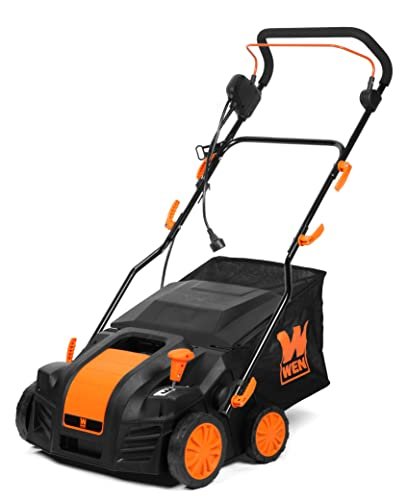
If your thatch layer is thicker than 0.5 inches, you must remove it. Use a thatch rake or rent a power dethatcher to physically remove the excessive organic layer. Set the blades to cut just deep enough to reach the soil surface without severely tearing up the healthy grass roots. Rake up all the debris and remove it from the property to prevent spreading the spores. - Balance Fertilizer and Add Manganese
Stop applying high-nitrogen fertilizers late in the summer. Instead, switch to a slow-release, balanced fertilizer that is high in potassium. If your soil test indicates a manganese deficiency, apply a manganese sulfate supplement according to the package directions. This will help the grass rebuild its natural immune system and resist future fungal attacks. - Repair Severe Patches with Sod or Plugs
If a dead spot is completely brown and the stolons are rotted, it will not recover on its own. In late spring or early summer, use a flat spade to cut out the dead turf and the top 2 inches of infected soil. Replace the void with fresh, high-quality topsoil and lay down a piece of matching St. Augustinegrass sod or plant healthy plugs. Keep the new turf heavily watered for the first three weeks to ensure the roots establish.
Recommended Products and Tools
Equipment
To properly maintain your lawn and fight soil-borne diseases, you need the right mechanical tools. A manual core aerator (step-on plug aerator) is great for small spot treatments and costs between $40 and $70. For entire lawns, renting a gas-powered walk-behind core aerator from a local hardware store typically costs $80 to $130 per day in 2026.A high-quality pump-action backpack sprayer is essential for even fungicide application and costs between $60 and $120. You will also need a sturdy metal thatch rake or a dethatching machine rental (around $70 per day) to remove the organic sponge layer. Finally, a basic soil test kit is a vital investment, costing only $15 to $30, allowing you to monitor your pH and nutrient levels accurately.
Chemical Products or Fertilizers
For chemical prevention, you need fungicides containing active ingredients like Myclobutanil, Propiconazole, or Pyraclostrobin. These are highly effective against Gaeumannomyces graminis. A 16-ounce bottle of liquid Myclobutanil concentrate, which treats up to 10,000 square feet, typically costs between $60 and $90. Granular fungicides containing Azoxystrobin are also excellent and cost around $70 to $110 per 30-pound bag.To lower your soil pH, you will need elemental sulfur. A 40-pound bag of granular sulfur costs between $25 and $45 and will treat a large lawn. For fall nutrition, you must avoid high nitrogen and focus on potassium. A 40-pound bag of Sulfate of Potash (0-0-50) or a specialized winterizer fertilizer will cost between $45 and $75.
Organic or Natural Alternatives
Homeowners who prefer organic lawn care can utilize biological fungicides and soil amendments. Products containing the beneficial bacterium Bacillus subtilis or the fungus Trichoderma harzianum actively compete with and consume disease-causing pathogens in the soil. A 32-ounce bottle of liquid biological fungicide costs around $35 to $55 and must be applied frequently.Sphagnum peat moss topdressing is another fantastic organic method specifically for this disease. Applying a 0.25-inch layer of peat moss lowers the soil pH naturally while introducing beneficial organic matter. Bulk peat moss delivered to your home usually costs $50 to $90 per cubic yard, while compressed bales at retail stores cost $10 to $18 per 3.8-cubic-foot bale.
Cost Breakdown
| Item / Service | DIY Cost | Professional Cost | Notes |
|---|---|---|---|
| Preventative Fungicide (Liquid) | $60 – $90 | Included in Service | Cost per 10,000 sq. ft. bottle. |
| Core Aeration (Rental/Labor) | $80 – $130 | $150 – $250 | Rental is per day; Pro is per average 5,000 sq. ft. lawn. |
| Elemental Sulfur (pH Lowering) | $25 – $45 | $60 – $100 | 40 lb bag or professional application. |
| Sphagnum Peat Moss (Topdress) | $40 – $70 | $150 – $300 | Cost for enough material to cover 2,000 sq. ft. |
| Soil Test Kit / Lab Fee | $15 – $30 | Included | Essential for determining exact pH and nutrient needs. |
| Sod Replacement (Materials) | $0.40 – $0.70 / sq. ft. | $1.50 – $2.50 / sq. ft. | Cost to physically repair large dead spots in spring. |
| Professional Disease Program | N/A | $400 – $800 / year | Comprehensive multi-visit annual turf care plan. |
| Totals (Average 5k sq. ft. Lawn) | $220 – $435 | $810 – $1,750 | First-year investment for aggressive remediation. |
Common Mistakes to Avoid
- Ignoring the Soil pH: Applying fungicides without fixing the underlying high soil pH is a waste of money. The disease will keep returning until the pH is lowered below 6.5 and manganese is made available to the roots.
- Overwatering Lightly: Watering for 10 minutes every day keeps the top layer of soil constantly wet, encouraging shallow roots and fungal growth. You must water deeply and infrequently to force roots to grow downward.
- Applying High Nitrogen in Fall: Pushing late-season leaf growth prevents the grass from storing root energy and hardening off for winter. Always switch to potassium-rich fertilizers six to eight weeks before the first expected frost.
- Confusing the Disease with Chinch Bugs: Homeowners often see yellowing St. Augustinegrass and spray for chinch bugs. However, if the roots are black and stunted, it is a fungal issue, not an insect issue. Always check the roots before spraying insecticides.
- Treating Only When Symptoms Appear: Spraying fungicides on brown patches in the heat of summer is largely ineffective. The damage is already done. You must apply preventative fungicides in the spring and fall when the fungus is actively infecting new roots.
- Scalping the Lawn Before Winter: Cutting your warm-season grass too short in late autumn exposes the vulnerable plant crown to freezing temperatures. Maintain a proper mowing height to protect the crown and maximize energy storage.
- Ignoring the Thatch Layer: Allowing thatch to build up past 0.5 inches creates a damp, insulated sponge that harbors fungal spores. You must physically dethatch or aggressively core aerate to break down this organic barrier.
- Using the Wrong Fungicide: Not all fungicides work on this specific pathogen. You must read the label carefully and ensure the product specifically lists control for Gaeumannomyces graminis or Take-All Root Rot.
Seasonal Timing and Best Practices
Spring
Spring is the season of assessment and preventative chemical application. As your warm-season grass begins to break dormancy, walk your lawn and carefully map out the irregular yellowing zones. Take photos so you can track the progression of the disease throughout the year.Once the soil temperatures consistently reach 60°F to 65°F, it is time to apply your first round of preventative fungicide. This is also the perfect time to conduct a professional soil test and apply elemental sulfur or peat moss to begin lowering the soil pH. Keep your mower blades sharp and maintain a mowing height of 2 to 3 inches for St. Augustinegrass to reduce stress.
Summer
Summer is the time for cultural maintenance and careful water management. The heat will cause the damaged grass to show severe symptoms, but your focus must be on keeping the surviving grass alive. Ensure your lawn is receiving roughly 1 inch of water per week, applied in deep, infrequent sessions to encourage deep root growth.Avoid applying any high-nitrogen fertilizers during the peak heat of July and August. This will only push weak, succulent growth that the damaged roots cannot support. If the grass is severely thinned, you can lay down fresh sod or plant plugs in the dead areas, provided you keep them consistently moist.
Fall
Autumn is the most critical window for preventing Take-All Root Rot. This is when the fungus becomes highly active again as the weather cools. Monitor your soil temperatures closely, and when they drop back into the 65°F to 75°F range, apply your second round of preventative fungicide.This is also the ideal season to perform aggressive core aeration and dethatching, as the cooling weather allows the grass to recover without the extreme heat stress of summer. Apply your final potassium-rich fertilizer of the year to harden the plant tissue and prepare the root system for winter dormancy.
Winter
During the winter months, your warm-season grass will be completely brown and dormant. Your primary job during this season is observation and planning. Avoid driving heavy vehicles or parking on the dormant turf, as this causes severe soil compaction and damages the fragile, dormant crowns.If your area experiences heavy winter rains, note which areas of the yard hold moisture the longest. These poorly draining low spots are prime candidates for soil grading and drainage improvements once the ground thaws in the spring. Use the winter downtime to research and order your soil amendments and fungicides for the upcoming year.
When to Call a Professional
While many homeowners can manage this disease themselves, there are specific scenarios where hiring a licensed turf professional is the smartest choice. If your lawn is larger than 10,000 square feet, the physical labor required for core aeration, topdressing with peat moss, and precise fungicide application can be overwhelming. Additionally, if you have tried DIY prevention for two consecutive years and the yellow patches continue to expand, it is time to bring in an expert.Professional lawn care companies have access to commercial-grade, restricted-use fungicides that are significantly more effective than consumer-grade products found at retail stores. They also possess ride-on aerators and commercial sprayers that ensure perfect coverage and deep soil penetration. You can expect to pay between $200 and $600 per visit for professional aeration and disease treatment, depending on your lawn size and regional labor rates in 2026.Before hiring a professional, ask them these vital questions:
- “Do you use commercial-grade fungicides specifically labeled for Gaeumannomyces graminis and Take-All Root Rot?”
- “What soil temperature triggers do you use to time your spring and fall preventative applications?”
- “Does your service include soil pH testing and the application of elemental sulfur or peat moss?”
- “Can you provide a comprehensive soil test to determine my exact potassium and manganese levels before fertilizing?”
Frequently Asked Questions
Will Take-All Root Rot kill my entire lawn?
No, this disease rarely kills an entire lawn all at once, but it can cause severe, widespread damage if left untreated. It typically manifests in irregular, expanding patches of yellowing and thinning turf. However, if the underlying soil pH and drainage issues are ignored, these individual patches will slowly merge together. Eventually, large sections of your yard can become entirely overtaken by the fungus, leading to massive areas of dead, decaying turf that require complete renovation.
Can I just reseed the dead spots in the spring?
Reseeding is generally ineffective for the grasses most commonly affected by this disease. St. Augustinegrass, which is highly susceptible, is almost never grown from seed; it must be established via sod, plugs, or sprigs. Even for bermudagrass, which can be seeded, the seedlings are highly vulnerable to competition and will likely be infected by the fungus still living in the soil. It is much more successful to cut out the dead soil and lay down mature, established sod or plant healthy plugs.
Does Take-All Root Rot spread to cool-season grasses like fescue?
No, the specific pathogen that causes this disease is highly specialized and primarily attacks warm-season grasses. St. Augustinegrass is the most common and severe victim, though bermudagrass, zoysiagrass, and centipedegrass can also be affected. Cool-season grasses like tall fescue, Kentucky bluegrass, and ryegrass are generally immune to Gaeumannomyces graminis var. graminis. If your fescue lawn is developing brown patches, you are likely dealing with a completely different disease like Brown Patch or Dollar Spot.
How long does it take for a lawn to recover from Take-All Root Rot?
Natural recovery without physical repair and soil amendment is incredibly slow and frustrating. Because the root system is severely stunted and blackened, the grass struggles to push out new, healthy runners. Depending on the severity of the infection and how quickly you lower the soil pH, it can take anywhere from six months to two full growing seasons for the lawn to regain its thick, green appearance. Physical removal and sodding is the only way to achieve instant results in dead zones.
Is it safe for my pets to walk on a lawn treated for Take-All Root Rot?
Yes, it is safe for pets and children to use the lawn after a fungicide treatment, provided you follow the label instructions carefully. The golden rule is to keep all pets and people off the grass while the liquid application is completely wet. Once the fungicide has dried on the grass blades—usually within two to four hours—it is perfectly safe for dogs to run and play on the turf. Always store the chemical products securely away from pets.
Will my St. Augustinegrass naturally outgrow the disease over time?
Some varieties of St. Augustinegrass are more susceptible than others, but no variety is completely immune. Even the most resilient cultivars will succumb to the fungus if the soil pH is too high, the soil is heavily compacted, and the thatch layer is overloaded. You cannot simply rely on the grass to outgrow the problem. You must actively manage the soil environment, lower the pH, and apply preventative treatments to suppress the pathogen.
Can I use a broad-spectrum fungicide for Take-All Root Rot?
Not all broad-spectrum fungicides are effective against this specific soil-borne pathogen. Many common, inexpensive fungicides found at garden centers only treat leaf and blade diseases like dollar spot or powdery mildew. To fight this disease, you must read the product label carefully and ensure it specifically lists suppression or control of Gaeumannomyces graminis or Take-All Root Rot. Active ingredients like Myclobutanil, Propiconazole, or Pyraclostrobin are usually required for effective control.
Conclusion
Managing Take-All Root Rot requires patience, precise timing, and a willingness to look below the surface of your lawn. By understanding that the yellowing patches you see in the summer are actually the result of a fungal infection driven by high soil pH and poor root health, you can stop wasting money on ineffective treatments. The true battle against this disease is won through deep core aeration, aggressive thatch management, lowering the soil pH, and the strategic application of preventative fungicides in the spring and fall.Remember that building a resilient lawn is a year-round commitment. Proper mowing heights, deep and infrequent watering, and smart potassium fertilization will ensure your warm-season grass enters the stressful summer months strong and hardened against environmental threats. While physical repair with fresh sod may be necessary for severe damage, a proactive soil management plan will keep your landscape thick, uniform, and beautiful. Bookmark this guide to reference your seasonal lawn care calendar, and share these proven strategies with your neighbors to help your entire community achieve flawless, disease-free lawns.