Your Guide to Growing Grass in Portland
Introduction and Overview
Welcome to the Rose City! Portland is famous for its lush, green landscapes, but maintaining a beautiful lawn here comes with a unique set of challenges. Our climate features mild, incredibly wet winters and warm, bone-dry summers. Add in the heavy clay soil and the constant battle against winter moss, and lawn care in the Pacific Northwest requires a specific strategy.The secret to success lies in choosing the best grass types Portland yards can support and following a dedicated seasonal routine. Cool-season grasses are the undisputed champions here, thriving in our mild temperatures and seasonal rains. In this guide, we will explore top performers like Perennial Ryegrass, Tall Fescue, Fine Fescue, and Kentucky Bluegrass. We will also break down a complete seasonal care calendar to keep your turf healthy through the winter downpours and the summer drought. Let us dive into everything you need to know to grow a thriving Portland lawn!
Climate and Growing Conditions in Portland
Understanding your local environment is the first step to lawn care success. Portland features a marine west coast climate that demands specific grass choices and careful moisture management.
| Attribute | Detail |
|---|---|
| USDA Hardiness Zone | 8b / 9a |
| Climate Type | Cool-season dominant |
| Average Summer High (°F) | 80°F – 85°F |
| Average Winter Low (°F) | 36°F – 40°F |
| Annual Rainfall (inches) | 37 – 43 inches |
| Growing Season Length | 200 – 220 days |
| Predominant Soil Type | Willamette silt loam, slightly acidic |
| Notable Weather Patterns | Wet winters, dry summers, winter moss, summer drought stress |
Top Recommended Grass Types for Portland
Perennial Ryegrass
Perennial Ryegrass is the classic staple of Pacific Northwest lawn seed mixes due to its rapid germination and excellent wear tolerance. It establishes quickly, providing a dense, bright green carpet that handles active families and pets very well. However, it has a relatively shallow root system and requires frequent watering to survive the dry Portland summers.
Tall Fescue
Tall Fescue is a fantastic choice for Portland homeowners who want a lawn that can handle the summer drought. It develops a very deep root system that allows it to stay green longer during dry spells without constant irrigation. The main limitation is that it grows in clumps, which can make the lawn look slightly uneven if not mowed regularly.
Fine Fescue
If your yard is heavily shaded by Portland’s beautiful mature trees, Fine Fescue is the ultimate solution. It thrives in low-light conditions, requires very little fertilizer, and tolerates the acidic soil common in the region. Just keep in mind that it has low traffic tolerance and does not handle “wet feet” or poorly drained clay very well.
Kentucky Bluegrass
Kentucky Bluegrass offers a stunning, dark green color and a soft texture that feels great underfoot. It spreads naturally through underground rhizomes, allowing it to quickly repair itself after heavy foot traffic or minor damage. The major drawback is its high water requirement, meaning it will go dormant and turn brown quickly if you do not irrigate during the dry summer months.
Grass Type Comparison Table
Here is a quick reference guide to help you compare the top grass choices for your specific yard needs in the Willamette Valley.
| Grass Type | Traffic Tolerance | Drought Tolerance | Shade Tolerance | Maintenance Level | Best Use |
|---|---|---|---|---|---|
| Perennial Ryegrass | High | Low | Low | High | High-traffic areas, quick establishment |
| Tall Fescue | Medium | High | Medium | Medium | Drought-prone yards, mixed sun and shade |
| Fine Fescue | Low | Medium | Very High | Low | Deeply shaded yards, low-fertility areas |
| Kentucky Bluegrass | High | Low | Low | High | Sunny yards, high-traffic active lawns |
Seasonal Lawn Care Calendar for Portland
Spring
- March to May (50°F – 70°F): Focus on moss control, cleanup, and waking up the lawn.
- Apply a moss control treatment in early spring to clear out the winter growth before it kills the grass.
- Rake away winter debris and thatch to improve air circulation and allow the soil to dry out.
- Apply a pre-emergent herbicide in April to stop summer weeds like crabgrass before they sprout.
- Apply a light, balanced fertilizer in May to fuel spring growth without causing excessive top growth.
Summer
- June to August (75°F – 95°F): Focus on heat stress management, deep hydration, and pest monitoring.
- Raise your mower deck to the highest setting to shade the soil and protect grass roots from the dry summer sun.
- Water deeply and infrequently in the early morning to ensure the water reaches the deep root zone.
- Monitor the lawn closely for summer pests like crane fly larvae and fungal diseases like red thread.
- Avoid fertilizing cool-season grasses during peak summer heat to prevent burning and disease.
Fall
- September to November (65°F dropping to 40°F): The most critical season for cool-season lawn recovery and growth in Portland.
- Perform core aeration in September to relieve compacted Willamette clay and improve water penetration.
- Overseed thin areas with a cool-season blend immediately after aerating to ensure good seed-to-soil contact.
- Apply a heavy, high-nitrogen fall fertilizer in October and November to build deep roots for the winter.
- Apply a moss preventative in late fall to stop moss from taking over during the upcoming wet season.
Winter
- December to February (35°F – 50°F): Focus on lawn protection, moss management, and equipment maintenance.
- Keep foot traffic off wet, soggy grass to prevent severe soil compaction and crown damage.
- Apply liquid moss killers on dry days if moss begins to spread during the wet winter months.
- Use this downtime to clean, sharpen, and tune up your mower blades for the busy spring season.
- Plan your spring moss control and fertilization strategy for the upcoming growing season.
Mowing and Watering Guidelines
Ideal Mowing Height
Proper mowing height is critical for keeping your grass healthy through our shifting Pacific Northwest seasons. Perennial Ryegrass and Kentucky Bluegrass should be mowed between 2 and 2.5 inches, but you must raise them to 3 inches during the peak summer heat. Tall Fescue and Fine Fescue prefer a taller cut of 2.5 to 3.5 inches, and should also be raised in the summer. Keeping your cool-season grass taller in the summer shades the soil, reduces water evaporation, and helps the roots survive the dry Portland months.
Watering Schedule and Rainfall Adjustments
Your lawn needs about 1 to 1.5 inches of water per week during the hot, completely dry summer months. In the spring and fall, reduce this to about 0.5 to 0.75 inches per week, and drop to almost zero during the wet winter months. Always water between 4:00 AM and 8:00 AM so the grass blades dry quickly, which prevents fungal diseases in our damp climate. Because Portland receives nearly 40 inches of rain annually, almost all of it falling between October and May, you must adjust your schedule downward during the wet season. Deep, infrequent watering is always better than shallow, daily sprinkling.
Fertilization for Portland Lawns
Recommended Fertilizer Types
Cool-season grasses in Portland respond best to fertilizers with a high nitrogen (N) ratio applied in the fall. Look for an NPK ratio like 16-4-8 or 20-0-10 to promote vigorous green growth and deep root development. Slow-release fertilizers are highly recommended because they feed the lawn steadily over several weeks without causing a sudden, weak growth spike. Quick-release fertilizers can burn the grass in the summer heat and require much more frequent applications. Always choose a product that includes iron to help maintain a deep green color against the gray winter skies.
Annual Application Schedule
Timing your fertilizer applications correctly is crucial for a healthy Portland lawn. Apply your main doses in September, October, and November to fuel fall growth and winter root storage. A light application in April or May helps them green up and recover from spring stress. Never fertilize a cool-season lawn in the middle of summer, as this promotes disease and stresses the grass during the heat.
Soil Preparation and pH
Portland soil is predominantly Willamette silt loam, which is naturally slightly acidic, often with a pH between 5.5 and 6.0. This acidity can lock up essential nutrients, making it hard for grass to absorb fertilizer. You can gradually raise the soil pH by applying pelletized agricultural lime every year or two to reach the ideal 6.0 to 6.5 range. Additionally, because local soil compacts so easily, especially in older neighborhoods, annual core aeration is absolutely mandatory to allow air, water, and nutrients to reach the grassroots.
Common Lawn Problems in Portland
Weeds
Weeds thrive in the gaps of a thin, stressed Pacific Northwest lawn. The top five invaders in Portland are Moss, which takes over shady, compacted, and wet areas; Annual Bluegrass (Poa annua), a shallow-rooted weed that produces unsightly white seed heads; Creeping Buttercup, a low-growing weed with bright yellow flowers that spreads via runners; Black Medic, a clover-like weed that thrives in compacted, low-nitrogen soil; and Dandelions, with their deep taproots and bright yellow flowers.
Pests
Insects can quickly destroy a beautiful lawn if left unchecked. Crane fly larvae (leatherjackets) are a massive problem in the PNW, feeding on grassroots and crowns after the heavy winter rains. European chafer grubs feed on roots underground, causing the turf to peel back like carpet and attracting digging animals. Billbugs cause damage by hollowing out grass stems, making the turf feel spongy and look dead. Armyworms are caterpillars that chew rapidly through grass blades, leaving irregular brown patches in the late summer.
Diseases
Fungal issues are very common in Portland due to our heavy winter moisture and cool spring temperatures. Snow mold appears in early spring as circular, matted, crusty patches of gray or pink grass in areas where snow piles melted. Red thread looks like pink or red threads tying the grass blades together, usually appearing in cool, wet weather when nitrogen is low. Dollar spot creates small, silver-dollar-sized bleached patches on the lawn surface during humid summer nights. Pythium blight appears as greasy, dark patches that quickly turn brown and matted down during warm, wet weather. Improve air circulation and avoid evening watering to prevent these issues.
Cost of Lawn Care in Portland
DIY Annual Cost Breakdown
Taking care of your lawn yourself can save money, but it requires an upfront investment in tools and materials. Here is a realistic breakdown for an average 5,000 square foot lawn in Portland.
| Expense | DIY Cost / year | Notes |
|---|---|---|
| Seed or Sod | $200 – $600 | Establishment cost amortized over 5 years |
| Fertilizer | $120 – $200 | Four applications of slow-release granular |
| Weed and Pest Control | $100 – $180 | Moss control, pre-emergents, and crane fly treatments |
| Water | $300 – $600 | Highly variable based on summer irrigation |
| Mower Maintenance | $60 – $120 | Blade sharpening and annual tune-ups |
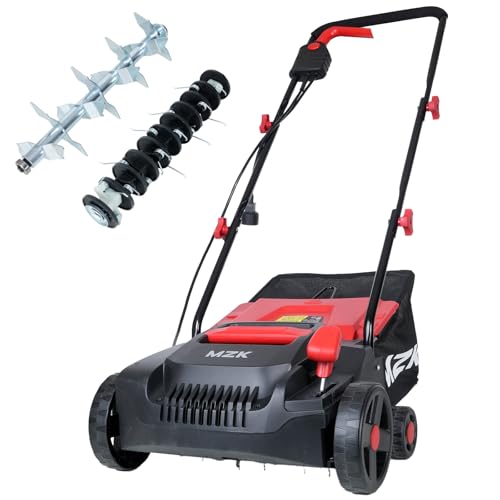
| Aeration & Dethatching | $120 – $200 | Equipment rental for a weekend or pro service |
| Totals | $900 – $1,900 | Excludes initial landscaping or major repairs |
Professional Lawn Care Service Costs
Hiring a professional ensures your lawn gets expert care without the physical labor. In the Portland area, basic mowing and edging typically costs between $45 and $65 per visit, totaling about $180 to $260 per month during the growing season. A comprehensive fertilization and weed control program ranges from $350 to $600 per year, usually split into 5 to 7 visits. If you want a full-service lawn care package including mowing, fertilization, and aeration, expect to pay $200 to $350 per month. Core aeration and overseeding services cost about $150 to $250 per 1,000 square feet in the fall.
Water Cost Estimate
Water is a significant ongoing expense for a Portland lawn during our completely dry summers. During the summer, you will use approximately 600 to 900 gallons per 1,000 square feet per week to deliver the necessary 1 to 1.5 inches of water. At typical 2026 Portland municipal water rates, this translates to a monthly water bill estimate of $40 to $90 during the peak summer months. In the winter, when the lawn is dormant and watered entirely by rainfall, your bill will drop significantly to around $15 to $25 per month. Using a smart irrigation controller can help reduce these costs by adjusting for local weather patterns.
Establishing a New Lawn in Portland
Best Time to Plant
The absolute best time to plant cool-season grass in Portland is during the early fall. You should aim to plant between mid-September and mid-October when soil temperatures are cooling down but still warm enough for germination. This timing allows the grass to establish a deep root system before the heavy winter rains arrive. Planting in the spring is highly discouraged, as the young seedlings will likely struggle and die when the summer drought arrives.
Seed vs Sod vs Plugs
For Portland homeowners, seed is the most common and cost-effective method for establishing cool-season grasses. It allows you to easily overseed thin areas and blend different grass varieties for better disease resistance and shade tolerance. Sod is the best method if you need an instant lawn or are trying to stabilize a steep, hilly slope where seed might wash away in the winter rains. Plugs are a good choice for expensive Fine Fescue in shady spots, but they take a very long time to fill in and are highly vulnerable to weed invasion.
Establishment Timeline
Your timeline will depend heavily on the method you choose to plant. If you plant cool-season seed, you will see germination in 7 to 14 days, but it will take 4 to 8 weeks to become fully established. If you lay sod, your lawn will be fully established and ready for light foot traffic in just 2 to 3 weeks. If you use plugs, expect a much longer timeline of 3 to 6 months for the plants to spread and cover the bare soil completely.
Frequently Asked Questions
What is the best grass type for Portland?
The absolute best grass type for Portland is a blend of Perennial Ryegrass, Tall Fescue, and Fine Fescue. Perennial ryegrass provides quick establishment and wear tolerance, tall fescue offers deep roots for summer drought survival, and fine fescue handles the shady areas common in our older neighborhoods. This combination handles our wet winters, dry summers, and varying sunlight conditions perfectly. If your yard is in full, blazing sun with heavy foot traffic, adding Kentucky Bluegrass to the mix is highly recommended for its ability to spread and repair damage.
When is the best time to plant grass seed in Portland?
The best time to plant cool-season grass seed in Portland is during the early fall. You should aim to plant between mid-September and mid-October when daytime temperatures are consistently in the 60s and 70s. This timing allows the seeds to germinate quickly and establish deep roots before the heavy winter rains set in. Planting in the spring is highly discouraged for cool-season grasses, as the young seedlings will likely die when the completely dry summer heat arrives in July and August.
How often should I water my lawn in Portland?
You should water your Portland lawn deeply but infrequently to encourage deep root growth. During the peak summer months, when we receive almost zero rainfall, aim for about 1 to 1.5 inches of water per week, split into two separate watering sessions. In the spring and fall, reduce this to about 0.5 to 0.75 inches per week. Always water in the early morning, ideally between 4:00 AM and 8:00 AM, so the grass blades dry quickly and prevent fungal diseases. During the wet winter months, you can turn your irrigation system off completely.
When should I fertilize my lawn in Portland?
You should fertilize your cool-season lawn in Portland primarily during the fall. Apply your first heavy dose in September to help the grass recover from summer stress. Follow up with applications in October and November to fuel root growth and store energy for the winter. A light application in April or May helps the lawn green up quickly in the spring. Never fertilize cool-season grass in the middle of summer, as this promotes weak growth and severe fungal diseases.
Can I grow warm-season grass in Portland?
No, you cannot successfully grow warm-season grass in Portland. Our climate is firmly in the cool-season category, meaning our winters are far too wet and cool for grasses like Bermudagrass or Zoysiagrass to thrive. While our summers are dry and warm enough for them, they would likely suffer from severe winter rot and fail to green up properly in the spring. You must stick to cool-season grasses like Perennial Ryegrass, Tall Fescue, and Kentucky Bluegrass to maintain a healthy, viable lawn in the Pacific Northwest.
How much does professional lawn care cost in Portland?
Professional lawn care costs in Portland typically range from $180 to $350 per month, depending on the services you choose. Basic mowing and edging usually cost between $45 and $65 per visit, totaling about $180 to $260 a month during the growing season. If you add a comprehensive fertilization and weed control program, expect to pay an additional $350 to $600 annually. Full-service packages that include mowing, fertilization, and fall aeration will push your costs to the higher end of the spectrum. Always get multiple quotes from local, licensed providers.
What common lawn pests should I watch for in Portland?
Portland lawns are most commonly threatened by crane fly larvae, European chafer grubs, and billbugs. Crane fly larvae, also known as leatherjackets, are a massive problem in the PNW, feeding on grassroots and crowns after the heavy winter rains. European chafer grubs feed on roots underground, causing the turf to peel back like carpet and attracting digging animals. Billbugs cause damage by hollowing out grass stems, making the turf feel spongy and look dead. Monitor your lawn weekly for these signs, and apply targeted insecticides or beneficial nematodes in the early fall.
Conclusion
Growing a beautiful lawn in the Pacific Northwest requires patience, but it is entirely possible when you understand the environment. Matching the right grass type, like a Perennial Ryegrass and Tall Fescue blend, to Portland’s specific wet-winter and dry-summer climate is the most critical step for long-term success. By following the seasonal care calendar and adjusting your mowing, watering, and fertilizing routines, you can keep your turf healthy and vibrant all year round. If you encounter persistent issues with compacted Willamette silt loam soil, winter moss, or stubborn regional pests like crane flies, we highly recommend contacting a local lawn care professional for targeted soil testing and expert pest management.