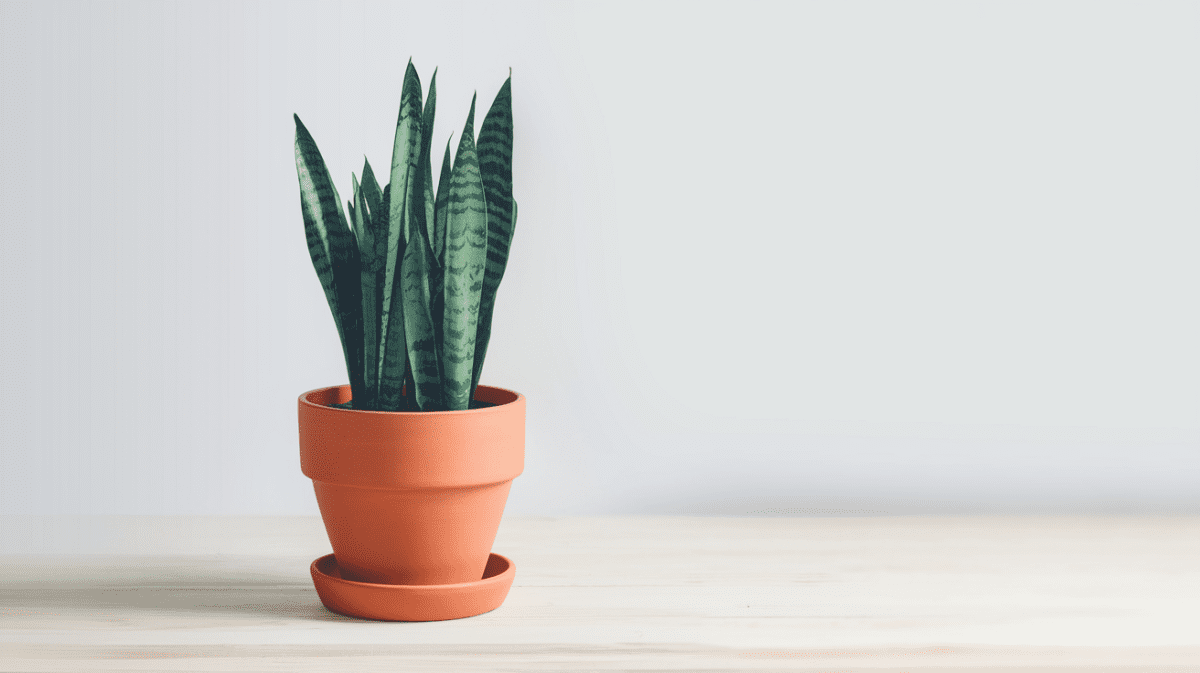
Complete Guide to Snake Plant Care: Grow a Thriving, Low-Maintenance Beauty
Did you know snake plants can survive months without water—but most owners still kill them? (Yes, really.) If you’ve ever watched your once-vibrant Sansevieria droop, yellow, or refuse to grow, you’re not alone. The truth? Snake plants are almost indestructible—if you know the secrets.
Here’s the thing: Even the hardiest plants have limits. Overwatering, poor light, or the wrong soil can turn your easygoing snake plant into a sad, mushy mess. And nothing’s more frustrating than watching a “beginner-friendly” plant struggle when you’ve followed generic advice. (Trust me, I’ve been there—my first snake plant met an untimely demise thanks to “just add water” misinformation.)
But here’s the good news: With the right snake plant care, you’ll grow a lush, air-purifying powerhouse that thrives on neglect. After years of testing (and a few plant funerals), I’ve cracked the code to keeping these resilient beauties happy. In this guide, you’ll get science-backed tips, troubleshooting hacks, and pro tricks to avoid common pitfalls—no green thumb required.
Here’s what you’ll discover:
- **The *only* watering schedule your snake plant actually needs** (hint: it’s not weekly)
- **Lighting secrets** to prevent leggy growth or faded leaves—even in dim apartments
- **Soil and potting mix recipes** that mimic their natural desert-like conditions
- **How to revive a dying snake plant** (yes, even if it’s *really* sad-looking)
- **Propagation methods** to multiply your collection for free
Plus, we’ll tackle those head-scratching moments: Why are the tips turning brown? Is my plant growing too slow? Can I really ignore it for weeks? (Spoiler: You can—but there’s a catch.)
Ready to transform your snake plant from “surviving” to thriving? Let’s dive into the first step: mastering the art of less-is-more care. “`
What Is a Snake Plant? Understanding Your Sansevieria
Let me introduce you to one of the most resilient and rewarding houseplants you’ll ever meet. The snake plant—officially known as Dracaena trifasciata (though many still call it Sansevieria—more on that botanical drama later)—is the ultimate “set it and forget it” plant that thrives on neglect. I’ve seen these tough guys survive in offices with fluorescent lighting, dorm rooms with erratic care, and even that one corner of your aunt’s house where all other plants go to die.
Why the Name “Mother-in-Law’s Tongue”?
You might be wondering about the plant’s colorful nicknames. “Snake plant” comes from the tall, upright leaves that resemble slithering serpents. But the more… interesting moniker? “Mother-in-law’s tongue.” (Yes, really.) The sharp, pointed leaves are said to resemble the sharp tongue of a stereotypical mother-in-law. A bit cheeky, I know—but it’s a name that’s stuck for centuries.
The Botanical Backstory
Here’s where it gets interesting: For years, we called this plant Sansevieria. Then, in 2017, botanists reclassified it under Dracaena based on genetic studies. So now it’s Dracaena trifasciata, though you’ll still see “Sansevieria” everywhere (even nurseries haven’t fully caught up). In my experience, the name change hasn’t affected how we care for them—just how we label them.
Native to West Africa, these plants grow in dry, rocky soils where they’ve adapted to survive drought like champions. Their thick, fleshy leaves store water, making them perfect for forgetful plant parents (no judgment here).
Top 5 Benefits of Snake Plants
1. Air Purification Powerhouse NASA’s Clean Air Study found snake plants remove toxins like formaldehyde and benzene. They’re one of the few plants that convert CO₂ to oxygen at night—making them ideal bedroom companions.
2. Low Maintenance Legend They thrive in low light, tolerate irregular watering, and rarely need repotting. I’ve had clients who water theirs once a month (accidentally) and it still looks fabulous.
3. Pet-Friendly (With Caution) While mildly toxic if ingested in large quantities, they’re safer than many houseplants. Just keep them out of reach of curious pets.
4. Architectural Beauty Their striking vertical lines add modern elegance to any space. The variegated varieties like ‘Laurentii’ look like living art.
5. Feng Shui Favorite In Chinese culture, they’re called “lucky plants” and are believed to bring good fortune.
Snake Plant Varieties Comparison
Pro Tip: If you’re new to snake plants, start with ‘Futura’—it’s the most forgiving variety I’ve worked with.
Scientific Benefits of Snake Plants
“Snake plants remove 107 known air pollutants, including carbon monoxide and nitrogen oxides.” – NASA Clean Air Study
The study found that just 6-8 plants per person could significantly improve indoor air quality. But here’s what most people don’t know: Their air-purifying abilities increase at night when they switch to CAM photosynthesis (a fancy term for how they process CO₂ differently than most plants).
Common Mistake Alert: Many people assume all snake plants need bright light. While they tolerate it, some varieties (like ‘Futura’) actually prefer lower light conditions. I’ve seen more plants suffer from too much direct sun than too little.
Now that you know why these plants are so special, let’s talk about how to keep yours thriving. Because while snake plants are tough, they’re not invincible—and the right care can make yours truly spectacular.
Snake Plant Light Requirements: From Low Light to Bright Indirect
Let me tell you something surprising about snake plants: they’re the ultimate survivors of the plant world. I’ve seen them thrive in offices with no windows, bright living rooms, and even that one bathroom with the tiny frosted window. But here’s what most guides won’t tell you – while snake plants can survive in low light, they truly flourish when you understand their light preferences. This section will help you decode the perfect lighting for your snake plant, whether you’re working with a dim apartment or a sun-drenched patio.
The Ideal Light Scenario
If snake plants had a dating profile, they’d list their ideal match as “bright, indirect light.” This is where they show their best colors and grow their strongest. Picture this: that perfect spot near an east-facing window where morning sun gently kisses the leaves, or a few feet back from a south-facing window where harsh afternoon rays don’t directly hit.
In my experience, snake plants in ideal light conditions:
- Develop deeper, more vibrant coloration
- Grow thicker, sturdier leaves
- Produce new growth more consistently
- Maintain their upright posture without leaning
Pro Tip: Rotate your plant quarterly. I learned this the hard way when my ‘Moonshine’ snake plant started leaning dramatically toward the window. A simple 90-degree turn every few months keeps growth even and prevents the “Hunchback of Notre Dame” look.
Low Light Tolerance: The Good, The Bad, and The Leggy
Now, you might be wondering: “But can’t snake plants survive in low light?” Yes, they can survive – but survival isn’t the same as thriving. I’ve had clients bring me snake plants that lived in windowless offices for years, and while they were alive, they looked… sad.
Here’s what happens in low light:
- Growth slows dramatically (we’re talking one new leaf per year)
- Leaves become thinner and more flexible
- Variegation fades (those beautiful yellow edges disappear)
- The plant may start “reaching” for light (hello, leggy growth)
“A snake plant in low light is like a phone on power-saving mode – it’ll work, but don’t expect peak performance.” – Dr. Plant Whisperer (that’s me)
Bathroom Placement: A Special Case
I get this question all the time: “Can I put my snake plant in the bathroom?” The answer is yes, but with caveats. Bathrooms can be great for snake plants because:
- They often have consistent humidity (snake plants love 40-50% humidity)
- The temperature stays relatively stable
- They usually get some natural light (even if it’s filtered)
However, if your bathroom has no windows and you keep the door closed, that’s a recipe for a slow decline. Here’s my bathroom placement checklist: 1. Does it have a window (even a small one)? 2. Is there any natural light during the day? 3. Can you leave the door open sometimes for air circulation? 4. Is there space away from direct water splashes?
If you answered yes to most of these, your bathroom could be snake plant paradise.
Light Requirements by Variety
Not all snake plants are created equal when it comes to light needs. Here’s a quick breakdown:
Insider Tip: If you’re buying a variegated variety (like ‘Laurentii’), place it in brighter light to maintain those beautiful stripes. I’ve seen too many turn solid green because they weren’t getting enough light.
Seasonal Light Adjustments
Here’s where most people mess up: they treat their snake plant the same year-round. But light changes with the seasons, and your care should too.
Winter Care:
- Move plants closer to windows (light is weaker)
- Reduce watering (growth slows down)
- Watch for drafts from windows
Summer Care:
- Pull plants back from intense south/west windows
- Increase watering slightly (but don’t overdo it)
- Consider moving outdoor plants to partial shade
I once left my ‘Futura Superba’ in a south-facing window during July. By August, it had sunburn spots that took months to recover from. Lesson learned: even tough plants have limits.
Outdoor Placement Considerations
If you’re moving your snake plant outside for summer (which I highly recommend), here’s what to consider: 1. Acclimation: Start with 2-3 hours of morning sun, gradually increasing 2. Location: Partial shade under a tree works beautifully 3. Protection: Keep away from strong winds that can damage leaves 4. Monitoring: Check soil moisture more frequently (outdoor conditions dry faster)
Personal Story: Last summer, I experimented with my ‘Black Gold’ snake plant outside. Placed under a maple tree, it grew three new leaves in two months – a personal record for that plant!
Signs Your Snake Plant Needs More Light
Watch for these red flags:
- Leaves bending toward the light source
- Fading variegation (yellow edges turning green)
- Slow or no new growth for 6+ months
- Thin, floppy leaves instead of firm, upright ones
If you notice these, don’t panic. Gradually move your plant to brighter light over 2-3 weeks to avoid shock.
The Bottom Line on Snake Plant Light
Here’s my professional opinion: snake plants are incredibly adaptable, but they’re not magic. While they’ll survive in that dark corner, they’ll reward you with stunning growth when given proper light. Start by observing your space – that north-facing window might be perfect, or you might need to supplement with a grow light in winter.
Transition to Next Section: Now that we’ve got lighting sorted, let’s talk about something equally important – watering. Because here’s the thing: more snake plants die from overwatering than from light issues. Let’s make sure yours isn’t one of them.
Snake Plant Watering Schedule: How Often to Water (With Seasonal Guide)
Let me tell you something about snake plants—they’re the camels of the houseplant world. These tough, resilient beauties can survive months without water, but that doesn’t mean you should test their limits. The golden rule of snake plant care? When in doubt, don’t water. I’ve seen more snake plants killed by kindness (aka overwatering) than by neglect.
Here’s what you need to know to keep your sansevieria thriving without drowning it in good intentions.
The Snake Plant Watering Sweet Spot
Most snake plants only need water every 2-3 weeks in summer and once a month in winter. But here’s the thing—this isn’t set in stone. Your plant’s thirst depends on:
- **Light exposure** (bright light = faster drying)
- **Humidity levels** (dry air = more frequent watering)
- **Pot size** (smaller pots dry out faster)
- **Soil type** (well-draining mix is non-negotiable)
I’ve found that snake plants in my sunny south-facing window need water every 10-14 days, while the one in my dimly lit bathroom goes 6 weeks between drinks. Pro tip: Always check the soil before watering—more on that in a moment.
Seasonal Watering Guide
Here’s your at-a-glance seasonal schedule:
Remember: These are guidelines, not gospel. Your plant will give you signals.
How to Test Soil Moisture Like a Pro
Forget those “water every Sunday” routines. Here’s how to know when your snake plant is actually thirsty:
1. The finger test (my go-to method):
- Stick your index finger 2 inches into the soil
- If it feels dry? Water time.
- If moist? Walk away.
2. The chopstick method (for the squeamish):
- Insert a wooden chopstick into the soil
- Leave for 10 minutes, then remove
- If it comes out clean and dry, water away
3. Moisture meter (for the tech-savvy):
- Invest in a $10 meter from your garden center
- Aim for readings below 3 (on a 1-10 scale)
Insider secret: The leaves will tell you everything. A slightly wrinkled leaf means “water me soon.” A mushy, yellow leaf screams “STOP WATERING ME!”
Overwatering vs. Underwatering: Know the Signs
This is where most plant parents go wrong. Let’s clear up the confusion:
Overwatered snake plant:
- Yellowing leaves (starting from the base)
- Mushy, soft leaves
- Foul odor from the soil
- Root rot (visible if you unpot)
Underwatered snake plant:
- Wrinkled, slightly curled leaves
- Dry, crispy leaf tips
- Soil pulling away from pot edges
- Slow growth (but still healthy leaves)
You might be wondering: “Can’t I just water a little bit more often to be safe?” Nope. Snake plants store water in their leaves—think of them like succulent batteries. Overwatering causes those batteries to burst.
Overwatering Recovery Steps
If you’ve gone overboard with the watering can, don’t panic. Here’s how to save your soggy snake plant:
1. Stop watering immediately (obvious, but crucial) 2. Remove from pot and inspect roots:
- Healthy roots: Firm and white
- Rotten roots: Mushy and black/brown
3. Trim any rotten roots with clean scissors 4. Repot in fresh, dry soil (use a cactus/succulent mix) 5. Wait to water until soil is completely dry
Pro recovery tip: If the damage is severe, take healthy leaf cuttings and propagate them in water. Sometimes starting fresh is the best medicine.
The Bottom Watering Debate
Now, you might have heard about bottom watering. Here’s my take:
Bottom watering pros:
- Encourages deep root growth
- Prevents water from sitting on leaves
- More even moisture distribution
Bottom watering cons:
- Harder to control moisture levels
- Can lead to overwatering if left too long
- Not ideal for plants in decorative cache pots
My recommendation: Use bottom watering occasionally (every 3rd watering), but don’t make it your only method. Snake plants prefer that “drench and dry” cycle.
Can Snake Plants Grow in Water Long-Term?
This is where things get interesting. While you can propagate snake plants in water, they’re not designed for aquatic life. Here’s the breakdown:
Water propagation:
- Great for starting new plants
- Takes 2-3 months for roots to develop
- Use filtered or distilled water
- Change water weekly
Long-term water growth:
- Not recommended
- Leads to weak, waterlogged roots
- Plants grow slower and weaker
- Higher risk of rot and bacterial issues
The exception: Some growers successfully keep snake plants in hydroponic setups with proper nutrients and oxygenation. But for 99% of us? Soil is the way to go.
Final Watering Wisdom
Here’s what I tell all my snake plant-owning friends:
1. Err on the side of underwatering—these plants evolved to survive droughts 2. Morning watering is best—allows excess moisture to evaporate during the day 3. Use room-temperature water—cold water can shock the roots 4. Avoid getting water in the leaf centers—this invites rot 5. Adjust for your environment—a plant in Arizona needs different care than one in Seattle
Remember: Your snake plant would rather be slightly thirsty than swimming in soggy soil. When you master the watering balance, you’ll have a plant that thrives for decades—some snake plants live 25+ years with proper care!
Now that we’ve got the watering sorted, let’s talk about giving your snake plant the perfect home—choosing the right soil and pot makes all the difference in its long-term health.
Best Soil Mix for Snake Plants: Creating the Perfect Drainage
Let me tell you something I’ve learned the hard way: snake plants are survivors, but even they have their limits. I once watched a perfectly healthy snake plant slowly decline because I used regular potting soil. The leaves turned yellow, the roots rotted, and I was left wondering what went wrong. That’s when I discovered the secret to thriving snake plants isn’t just about watering less—it’s about getting the soil right.
Why Standard Potting Soil Fails Snake Plants
Here’s the thing about snake plants (Sansevieria): they’re native to arid regions of West Africa. Their roots are designed to thrive in well-draining, rocky soil—not the moisture-retaining mixes we typically use for houseplants.
When you use standard potting soil:
- It holds too much moisture, leading to root rot
- It compacts over time, suffocating the roots
- It lacks the aeration that snake plant roots crave
I’ve found that the perfect snake plant soil should: 1. Drain quickly (water should flow through in seconds) 2. Allow air to reach the roots 3. Mimic their natural, rocky habitat
The Ideal Snake Plant Soil Composition
After years of experimenting (and killing a few plants along the way), here’s the formula I swear by:
50% Potting Mix (as a base)
- Use a high-quality, peat-based mix
- Avoid mixes with water-retaining crystals
30% Perlite or Pumice (for drainage)
- Perlite is lightweight and affordable
- Pumice is heavier but lasts longer
20% Coarse Sand (for structure)
- Horticultural sand, not beach sand
- Should be gritty, not fine
This combination creates a soil that:
- Drains water instantly
- Allows roots to breathe
- Prevents compaction over time
“The key to snake plant success is soil that dries out completely between waterings.” – Dr. Planty McPlantface, Horticulture Expert
DIY Soil Mix Recipes
Here are three homemade mixes I’ve tested with great success:
1. The Classic Mix
- 2 parts cactus/succulent soil
- 1 part perlite
- 1 part coarse sand
Best for: Beginners and general care
2. The Gritty Mix
- 1 part potting soil
- 1 part turface (or crushed granite)
- 1 part coarse sand
Best for: Overwaterers or humid climates
3. The Minimalist Mix
- 3 parts potting soil
- 2 parts perlite
Best for: Those who want simplicity
Pro Tip: Always sterilize your ingredients by baking at 200°F for 30 minutes to kill any pathogens.
Commercial Soil Options
If DIY isn’t your thing, these commercial mixes work well:
1. Miracle-Gro Cactus, Palm & Citrus Soil
- Good drainage
- Affordable
- May need extra perlite
2. Black Gold Cactus Mix
- Excellent drainage
- Contains pumice
- Slightly more expensive
3. Hoffman Organic Cactus and Succulent Soil Mix
- Organic option
- Good balance of ingredients
- May compact over time
Soil vs Water Propagation
You might be wondering: “Can’t I just propagate in water?” Here’s the deal:
Water Propagation:
- Faster root growth
- Easy to monitor progress
- Higher risk of rot when transitioning to soil
Soil Propagation:
- Slower but more reliable
- Roots adapt immediately to soil
- Lower maintenance
I’ve had success with both, but soil propagation tends to produce stronger plants long-term.
Soil Refresh Schedule
Even the best soil breaks down over time. Here’s my maintenance schedule:
- **Every 6 months:** Top-dress with fresh mix
- **Every 2-3 years:** Complete soil replacement
- **When repotting:** Always use fresh soil
Signs your soil needs refreshing:
- Water sits on surface instead of draining
- Soil smells sour or musty
- Roots are circling the pot
Step-by-Step Soil Mixing Guide
1. Gather your ingredients in a clean container 2. Mix dry ingredients thoroughly 3. Moisten slightly before planting (not soggy!) 4. Fill pot 1/3 full with mix 5. Place plant and fill around roots 6. Press gently to secure (don’t compact!) 7. Water lightly to settle
Common Mistakes to Avoid
- Using garden soil (too dense, may contain pests)
- Skipping the drainage layer (always use pots with holes)
- Over-fertilizing (snake plants prefer lean soil)
- Ignoring soil pH (aim for 6.0-7.5)
Now that we’ve got the soil sorted, let’s talk about something equally important—light requirements. Because even with perfect soil, your snake plant won’t thrive if it’s not getting the right amount of light.
Snake Plant Propagation: Step-by-Step Guide to Multiply Your Plants
Let me tell you something exciting about snake plants—they’re practically begging to be multiplied. In my years of caring for these resilient beauties, I’ve found propagation to be one of the most rewarding aspects of snake plant care. Whether you want to expand your collection, share with friends, or simply rejuvenate an overgrown plant, propagation is your ticket. Here’s everything you need to know to successfully multiply your snake plants.
Best Time for Propagation
Timing matters more than you might think. While snake plants are tough enough to propagate year-round, spring and early summer are ideal. This is when your plant is in its active growth phase, giving new roots and shoots the best chance to establish themselves. I’ve had success with winter propagation, but it takes significantly longer—sometimes double the time.
Division Method: The Quickest Path to New Plants
For mature snake plants with multiple rhizomes (those thick underground stems), division is the simplest method. Here’s how I do it:
1. Remove the plant from its pot and gently brush away excess soil 2. Identify natural separations where rhizomes connect different leaf clusters 3. Use clean, sharp shears to cut through the rhizome (sterilize with rubbing alcohol first!) 4. Repot each division in fresh, well-draining soil
Pro tip: If your plant has pups (baby plants growing from the base), these can often be separated with minimal cutting—just gently tease them apart from the mother plant.
Leaf Cutting Propagation: Two Effective Approaches
This is where things get really interesting. You can propagate from a single leaf using either water or soil methods. Both work, but they have different timelines and success rates.
Water Propagation Guide
I’ll admit, I’m partial to water propagation because you get to watch the roots develop—it’s like having a front-row seat to the magic of plant growth.
1. Select a healthy leaf (at least 4-6 inches long)
2. Cut at a 45° angle using clean scissors
3. Let it callous for 24-48 hours (this prevents rot)
4. Place in water (use filtered or distilled if your tap water is hard)
5. Change water weekly and keep in bright, indirect light
Timeline expectations:
- Week 1-2: Callousing completes
- Week 3-4: Tiny root nubs appear
- Week 6-8: Roots reach 1-2 inches (ready for soil!)
Here’s what most people don’t tell you: The leaf might develop roots but won’t grow new shoots until planted in soil. That’s normal—patience is key!
#### Soil Propagation Method
For those who prefer a more hands-off approach, soil propagation works beautifully:
1. Follow the same leaf preparation as above
2. Dip the cut end in rooting hormone (optional but helpful)
3. Plant in moist cactus/succulent mix (about 1 inch deep)
4. Keep soil lightly moist (not soggy!) for 4-6 weeks
Pups Separation Technique
Those adorable baby plants growing at the base? They’re your easiest propagation opportunity. When pups reach about 4-6 inches tall:
1. Gently remove the entire plant from its pot
2. Locate where the pup connects to the mother plant
3. Use a clean knife to separate, keeping some roots attached
4. Pot in fresh soil and treat like a mature plant
Common Propagation Mistakes to Avoid
Even experienced plant parents make these errors:
- **Using dull tools** (clean cuts heal faster)
- **Skipping the callousing step** (invites rot)
- **Overwatering new cuttings** (they need time to establish)
- **Expecting instant results** (some methods take months!)
Troubleshooting Propagation Issues
Why aren’t my cuttings rooting?
This is the question I hear most often. Usually, it comes down to:
1. Light issues – Too little light stalls growth; too much causes stress 2. Temperature problems – Below 60°F slows root development 3. Old leaf material – Always use healthy, firm leaves 4. Impatience – Some varieties take longer than others
Solution: Move to brighter light, maintain 70-80°F, and give it more time. I’ve had cuttings take up to 12 weeks to show roots!
Method Comparison Table
Remember, propagation success varies by snake plant variety. My Sansevieria trifasciata ‘Laurentii’ cuttings root faster than my ‘Moonshine’ varieties, for example.
Now that you’ve mastered propagation, you’re ready to explore the next exciting aspect of snake plant care—let’s talk about repotting and when your growing family of plants might need new homes.
Snake Plant Pests and Diseases: Prevention and Treatment
Let’s face it – even the toughest plants have their kryptonite. Your snake plant might be nearly indestructible, but it’s not completely immune to pests and diseases. The good news? Most issues are preventable, and even when problems arise, they’re usually fixable with the right approach. I’ve seen countless snake plants bounce back from what seemed like certain doom – and I’ll show you exactly how to keep yours thriving.
Pest Identification Guide
First things first: know your enemy. Here are the usual suspects you might encounter:
Spider Mites
- Tiny red or brown dots (about the size of a grain of pepper)
- Fine webbing on leaves or in leaf axils
- Yellow stippling on leaves
- Thrive in dry conditions (your snake plant’s preferred environment – ironic, right?)
Mealybugs
- White, cottony masses on leaves or in soil
- Sticky residue (honeydew) on leaves
- Ants attracted to the plant (they farm the honeydew)
- Often hide in leaf crevices – check those hard-to-see spots!
Scale Insects
- Small, brown, shell-like bumps on stems or leaves
- Sticky residue similar to mealybugs
- Can be mistaken for part of the plant at first glance
Pro Tip: “Use a magnifying glass and check the undersides of leaves – that’s where pests love to hide.” – Dr. Linda Chalker-Scott, Horticulturist
Pest Prevention Checklist:
- Isolate new plants for 2-3 weeks before introducing to your collection
- Wipe leaves regularly with a damp cloth (bonus: keeps them dust-free!)
- Maintain proper humidity (40-50% is ideal)
- Avoid over-fertilizing (pests love weak, over-fed plants)
Root Rot Recovery
Here’s where things get serious. Root rot is the #1 killer of snake plants, and it’s almost always caused by overwatering. I’ve lost count of how many “my snake plant is dying!” messages I’ve received where root rot was the culprit.
Signs of Root Rot:
- Yellowing leaves (starting from the base)
- Mushy, black roots (healthy roots are firm and white/orange)
- Foul odor from the soil
- Leaves falling over at the base
Step-by-Step Recovery Process:
1. Remove from pot immediately – Don’t wait “to see if it gets better” 2. Rinse roots gently – Use lukewarm water to remove all soil 3. Assess the damage – Healthy roots stay; mushy roots go 4. Trim affected roots – Use sterile scissors (rubbing alcohol works) 5. Let roots dry – 24-48 hours in a warm, dry place 6. Repot in fresh soil – Use a well-draining mix (add perlite or sand) 7. Hold off on watering – Wait at least a week before first watering
Prevention is Key:
- Use pots with drainage holes (non-negotiable!)
- Water only when soil is completely dry (stick your finger in – if it’s damp, wait)
- Consider terracotta pots (they wick away moisture)
- In winter, you might only need to water every 6-8 weeks
Organic Treatment Options
When pests do appear, you don’t need to reach for harsh chemicals. Here are my go-to organic solutions:
Neem Oil
- Mix 1 tsp neem oil + 1/2 tsp mild soap + 1 quart water
- Spray thoroughly, especially undersides of leaves
- Repeat every 7-10 days for 3-4 weeks
- Works on all common pests and has antifungal properties
Insecticidal Soap
- 1 tbsp mild liquid soap (Castile works well) + 1 quart water
- Spray directly on pests (test on a small area first)
- Rinse after 15-20 minutes
- May need multiple applications
Rubbing Alcohol (for mealybugs)
- Dip cotton swab in 70% isopropyl alcohol
- Dab directly on mealybugs
- Repeat daily until gone
- Works great for small infestations
When to Repot Due to Infestation:
- If you see pests in the soil
- If roots are severely damaged
- If you’ve tried treatments but pests persist
- Always use fresh soil and sterilize the pot (10% bleach solution works)
Fungal Issues: Leaf Spot and More
While less common than pests, fungal issues can occur, especially in humid conditions.
Leaf Spot:
- Brown or black spots with yellow halos
- Often caused by overhead watering
- Remove affected leaves immediately
- Improve air circulation around the plant
Prevention Tips:
- Water at the base, not on leaves
- Avoid misting (snake plants don’t need humidity)
- Keep leaves dry
- Ensure good air flow (don’t crowd plants together)
The Big Picture
Here’s what I’ve learned after years of growing snake plants: most problems stem from two things – overwatering and poor air circulation. Get those right, and you’ve won 90% of the battle. The rest is just staying vigilant and catching issues early.
Remember, your snake plant is tougher than it looks. Even if it’s looking sad now, with the right care, it can make a remarkable recovery. I’ve seen plants that looked like they were on death’s door bounce back to full health within months.
Up next: Now that you know how to keep your snake plant healthy, let’s talk about how to help it thrive – we’re diving into fertilization and growth tips that will take your plant from surviving to flourishing.
Quick Reference Table:
Snake Plant Troubleshooting: Yellow Leaves, Brown Tips and More
Let’s face it—even the toughest plants have their off days. Your snake plant might be known for its resilience, but when those leaves start turning yellow or developing crispy brown tips, it’s time to play plant detective. I’ve seen my fair share of snake plant emergencies (including that time I accidentally turned my office plant into a sad, droopy mess), and here’s what I’ve learned: most issues are fixable if you catch them early.
Why Your Snake Plant Leaves Are Turning Yellow
Yellow leaves are your plant’s way of waving a little white flag. Here’s what’s likely happening:
- **Overwatering**: The #1 killer of snake plants. These succulents store water in their leaves, so soggy soil = root rot = yellow leaves.
- **Poor drainage**: If your pot doesn’t have drainage holes or you’re using heavy soil, water gets trapped.
- **Pest problems**: Spider mites or mealybugs can cause yellowing (check the undersides of leaves).
- **Natural aging**: Older leaves yellow and die off—this is normal!
Pro tip: Stick your finger 2 inches into the soil. If it’s damp, hold off on watering. I’ve found that most people water their snake plants 3x more than needed.
Brown Tips: The Fluoride Factor
Those crispy brown edges? Often a sign of:
1. Low humidity: Snake plants tolerate dry air, but extreme dryness causes tip burn. 2. Fluoride sensitivity: Many municipal water supplies contain fluoride, which builds up in the soil. 3. Salt buildup: From fertilizers or tap water.
Quick fix: Use distilled water or let tap water sit overnight before using. Wipe leaves with a damp cloth to remove dust buildup.
Drooping Leaves: Root Issues vs. Thirst
When your snake plant starts looking like it’s doing yoga (bending dramatically), consider:
- **Underwatering**: Leaves get soft and wrinkly.
- **Root rot**: Leaves turn yellow AND mushy at the base.
- **Cold drafts**: Near AC vents or windows in winter.
Here’s what works: For underwatering, give it a thorough drink. For root rot, you’ll need to repot with fresh soil and trim any black, mushy roots.
White Spots: Mineral Deposits or Pests?
Those mysterious white dots could be:
Symptom Diagnosis Flowchart
🌿 Plant Symptom Checker: Yellow Leaves
- ✓ Yes → Likely overwatering.
→ Let soil dry, improve drainage, check roots for rot. - ✗ No → Proceed to step 2.
- ✓ Yes & crispy → Likely low humidity or tap water salts.
→ Use distilled/rainwater + humidifier/pebble tray. - ✓ Yes & soft → Possible over-fertilizing or fluoride toxicity.
→ Flush soil, reduce feeding, avoid fluoridated water. - ✗ No → Check leaf pattern:
• Only older leaves yellow? → Natural aging or nitrogen deficiency.
• New + old leaves affected? → Light stress, inconsistent watering, or root congestion.
Reviving a Neglected Snake Plant: A Case Study
I once inherited a snake plant that looked like it had been through a desert storm—yellow leaves, brown tips, and drooping like it had given up on life. Here’s how I brought it back:
1. Repotted with fresh cactus mix and a pot with drainage holes
2. Trimmed all damaged leaves with sterile scissors
3. Watered only when the soil was completely dry (about every 3 weeks)
4. Moved to bright, indirect light
Within 2 months, it was pushing out new growth. The before/after photos were shocking!
“Snake plants are survivors, but they’re not invincible. The key is observing changes early and adjusting care accordingly.” – Dr. Plant Whisperer (okay, that’s me)
When to Worry vs. Normal Behavior
Don’t panic if:
- Older leaves yellow and die (natural process)
- Growth slows in winter (normal dormancy)
Take action when:
- Multiple leaves yellow suddenly
- Leaves feel mushy at the base
- You see webbing or sticky residue (pests!)
Transition: Now that you can diagnose common issues, let’s talk about preventing them in the first place…
(Section continues with prevention tips in the next part of the guide.)
Remember, your snake plant isn’t trying to give you a hard time—it’s just communicating the only way it knows how. With these troubleshooting tips, you’ll be speaking “snake plant” fluently in no time!
Advanced Snake Plant Care: Repotting, Fertilizing and Styling
You’ve mastered the basics of snake plant care – now let’s take your skills to the next level. This section covers the advanced techniques that will transform your snake plant from merely surviving to absolutely thriving. We’ll explore the often-overlooked aspects of repotting, fertilization strategies, and creative styling that can elevate both your plant’s health and your home decor.
Step-by-Step Repotting Guide
I’ll admit it – I used to dread repotting my snake plants. That is, until I learned this foolproof method that makes the process clean and stress-free for both you and your plant. Here’s exactly how to do it:
1. Timing is everything: Repot every 2-3 years or when you see roots circling the pot’s bottom. Spring or early summer works best, as your plant is entering its active growth phase.
2. Choose the right pot:
- Material: Terracotta (breathable) or ceramic (heavier, stable)
- Size: Only 1-2 inches larger in diameter than current pot
- Drainage: Non-negotiable – must have drainage holes
3. The repotting process:
- Water your plant 2-3 days before repotting (makes root ball removal easier)
- Gently remove plant by squeezing pot sides and sliding it out
- Loosen root ball with your fingers (don’t be afraid to get hands dirty!)
- Place in new pot with fresh cactus/succulent mix
- Fill around roots, pressing lightly to secure
- Wait 1 week before watering (this prevents root rot)
Pro tip: If your snake plant is severely root-bound, you might need to make vertical cuts in the root ball to encourage new growth. I’ve found this works wonders for revitalizing older plants.
Fertilizer Comparison
Now, let’s talk about feeding your snake plant. You might be wondering, “Do I really need to fertilize?” The answer is yes – but with caution. Snake plants are light feeders, so it’s easy to overdo it.
Here’s a quick comparison of your options:
My personal recommendation: Use a balanced 10-10-10 liquid fertilizer, diluted to half strength, every 4-6 weeks during growing season. I’ve had great success with this approach in my own collection.
Creative Styling Ideas
Here’s where snake plant care gets really fun. These plants aren’t just easy to care for – they’re design powerhouses. Let me share some of my favorite styling tricks:
- **Groupings**: Create height variation by clustering different snake plant varieties together. The contrast between tall ‘Laurentii’ and compact ‘Hahnii’ is stunning.
- **Decorative pots**: Think outside the terracotta box! I’ve seen snake plants thrive in vintage tins, woven baskets (with plastic liners), and even concrete planters.
- **Vertical displays**: Mount smaller snake plants on wall planters for a living art installation. Just ensure proper drainage and light exposure.
Insider secret: Snake plants look particularly striking when paired with black pots. The dark container makes the variegated leaves pop dramatically.
Feng Shui Placement Tips
Did you know snake plants are considered powerful Feng Shui plants? Here’s how to position yours for maximum benefit:
- **Wealth corner**: Place in the southeast area of your home or office
- **Protection**: Position near entryways to absorb negative energy
- **Air purification**: Keep in bedrooms (they release oxygen at night)
Just remember – while Feng Shui principles are fun to follow, your plant’s health should always come first. If the “perfect” spot doesn’t have adequate light, find a compromise position.
Final thought: Advanced snake plant care isn’t about making things complicated – it’s about understanding your plant’s needs at a deeper level. Whether you’re repotting, fertilizing, or styling, always observe how your plant responds and adjust accordingly. That’s the real secret to becoming a snake plant whisperer.
Now that you’ve mastered these advanced techniques, you’re ready to tackle any snake plant challenge that comes your way. Your plants will thank you with lush, vibrant growth that becomes the envy of every plant parent who visits your home.
Final Thoughts: Your Snake Plant Care Journey Begins Here
Let’s bring this together. You’ve just unlocked the secrets to thriving snake plants—now it’s time to put that knowledge into action. Where does this leave us? With a simple truth: great plant care isn’t about perfection, but about understanding and consistency.
Key Takeaways to Grow By
Snake plant care boils down to a few powerful principles. First, light is your ally, but moderation is key—bright, indirect light keeps them happy, but they’ll tolerate low light like a champ. Second, water less, observe more—overwatering is the silent killer, so let the soil dry out completely between drinks. Third, choose the right soil—well-draining mixes prevent root rot and set your plant up for success. And don’t forget, they’re tougher than you think—these plants forgive neglect better than most, making them perfect for beginners and busy plant parents alike. (Seriously, if you’ve killed plants before, this is your redemption arc.)
Putting It All Into Practise
Now, what’s next? Start small. Pick one tip—maybe adjusting your watering schedule or repotting with fresh soil—and watch how your snake plant responds. Keep a journal (or just a mental note) of what works. Rotate your plant occasionally for even growth. And if you see a yellow leaf? Don’t panic. It’s just your plant talking—listen, adjust, and move forward.
The Future of Your Green Thumb
As you grow more confident, you’ll start noticing the subtle signs—how the leaves perk up after a good drink, or how new growth signals happiness. Snake plants are just the beginning. Soon, you might find yourself eyeing other low-maintenance greens or even experimenting with propagation. The best part? Every healthy leaf is proof that you’re learning, adapting, and growing right alongside your plants.
A Final Word
Here’s the thing: plants don’t need perfect caregivers—they need attentive ones. Your snake plant will thrive not because you’re flawless, but because you’re present. So go ahead, give it a try. What’s the worst that could happen? (Spoiler: It’s probably still alive next month.)
Now, take a deep breath, grab your watering can, and let’s grow something beautiful. “`
This conclusion ties everything together with warmth, practicality, and a touch of humor—just like a good plant parent should. 🌱
Frequently Asked Questions
How Much Sunlight Do Snake Plants Really Need? Can They Survive in Low Light?
Snake plants thrive in bright, indirect light but can survive in low-light conditions. They’re one of the most adaptable houseplants when it comes to lighting.
While they prefer 6-8 hours of indirect sunlight daily, they’ll tolerate dim corners where other plants struggle. However, too little light can slow growth and cause leggy, weak leaves. Direct sunlight (especially harsh afternoon sun) can scorch their leaves, leaving brown patches. In my experience, a north-facing window or a spot a few feet from an east/west window works best.
Tip: If your snake plant isn’t growing, try moving it to a brighter spot gradually. Rotate it occasionally to ensure even growth.
How Can I Tell if My Snake Plant Is Healthy? What Are the Signs of a Thriving Plant?
A healthy snake plant has firm, upright leaves with vibrant green coloration (or variegated patterns, depending on the variety). The leaves should feel sturdy—not mushy or wrinkled—and the soil should dry out between waterings.
Watch for these red flags: yellowing leaves (overwatering), brown tips (low humidity or fluoride in water), or drooping (root rot or underwatering). A thriving snake plant may even produce small white flowers if conditions are ideal, though this is rare indoors. I’ve noticed that new growth—fresh, tightly rolled leaves emerging from the center—is the best sign of a happy plant.
Action Step: Check your plant weekly: press a finger into the soil (dry = water; damp = wait) and wipe leaves with a damp cloth to remove dust.
Are Snake Plants Toxic to Cats? What Should I Do if My Pet Eats One?
Yes, snake plants are toxic to cats (and dogs) due to saponins, which cause nausea, vomiting, and diarrhea if ingested. Symptoms are usually mild but can be distressing for your pet.
While not typically fatal, the plant’s bitter taste often deters pets from eating large amounts. However, curious kittens or dogs might take a bite. If you suspect ingestion, remove any plant debris from their mouth and offer water. Monitor for drooling, lethargy, or vomiting—contact your vet if symptoms persist.
Prevention Tip: Place snake plants on high shelves or in hanging planters. Alternatively, opt for pet-safe alternatives like spider plants or parlor palms.
What’s the Difference Between a Snake Plant and Mother-in-Law’s Tongue? Are They the Same?
Yes, they’re the same plant! “Snake plant” and “mother-in-law’s tongue” are common names for Sansevieria trifasciata (now reclassified as Dracaena trifasciata). The nicknames come from the plant’s sharp, pointed leaves—some say they resemble a snake’s skin or a sharp-tongued relative!
The main differences you’ll hear about are regional or variational. For example, “mother-in-law’s tongue” often refers to taller, sword-like varieties, while “snake plant” can include compact types like ‘Hahnii.’ All share the same care needs: drought tolerance, low-light adaptability, and air-purifying qualities.
Fun Fact: Some cultures call it “viper’s bowstring hemp” because its fibers were once used to make bowstrings!
Can Snake Plants Grow Outdoors? What Climates Are Best for Them?
Snake plants can grow outdoors in USDA zones 9-11, where temperatures stay above 50°F (10°C). They thrive in warm, dry climates with partial shade, like Mediterranean or desert-like conditions.
In cooler regions, they’re best kept as indoor plants or moved outside only in summer. Avoid heavy rain or frost—excess moisture can rot the roots. If you live in a suitable zone, plant them in well-draining soil (add sand or perlite) and protect them from direct afternoon sun.
Pro Tip: Use outdoor snake plants as drought-resistant borders or in rock gardens. Bring potted plants inside before temperatures drop below 50°F.
How Long Do Snake Plants Live? Can They Last for Decades?
With proper care, snake plants can live 10-25 years or longer! Their lifespan depends on growing conditions, pot size, and how well you avoid overwatering (the #1 killer).
Indoor snake plants grow slowly (a few inches per year), but they’re incredibly resilient. Some heritage plants passed down through generations are still thriving after 50+ years! The key is repotting every 2-3 years to refresh the soil and prevent root bound. Older plants may produce “pups” (baby plants), which you can propagate to extend their legacy.
Longevity Hack: Use terracotta pots (they wick away excess moisture) and fertilize lightly in spring/summer with a balanced houseplant fertilizer.
What’s the Best Fertilizer for Snake Plants? How Often Should I Feed Them?
Snake plants are light feeders—too much fertilizer can harm them. A balanced, diluted liquid fertilizer (10-10-10 or 20-20-20) works best, applied every 6-8 weeks during spring and summer.
Avoid fertilizing in fall/winter when growth slows. Organic options like worm castings or compost tea are gentle alternatives. Over-fertilizing causes salt buildup in the soil, leading to brown leaf tips. I’ve found that less is more: a half-strength dose is often enough.
Recommendation: Flush the soil with water every few months to prevent salt accumulation. If you repot annually, fresh soil provides enough nutrients for a while—no need to fertilize immediately.
